The Devastating Diagnostic Error: How a Supposedly Harmless Skin Rash Hidden a Rare Childhood Cancer
The Devastating Diagnostic Error: How a Supposedly Harmless Skin Rash Hidden a Rare Childhood Cancer
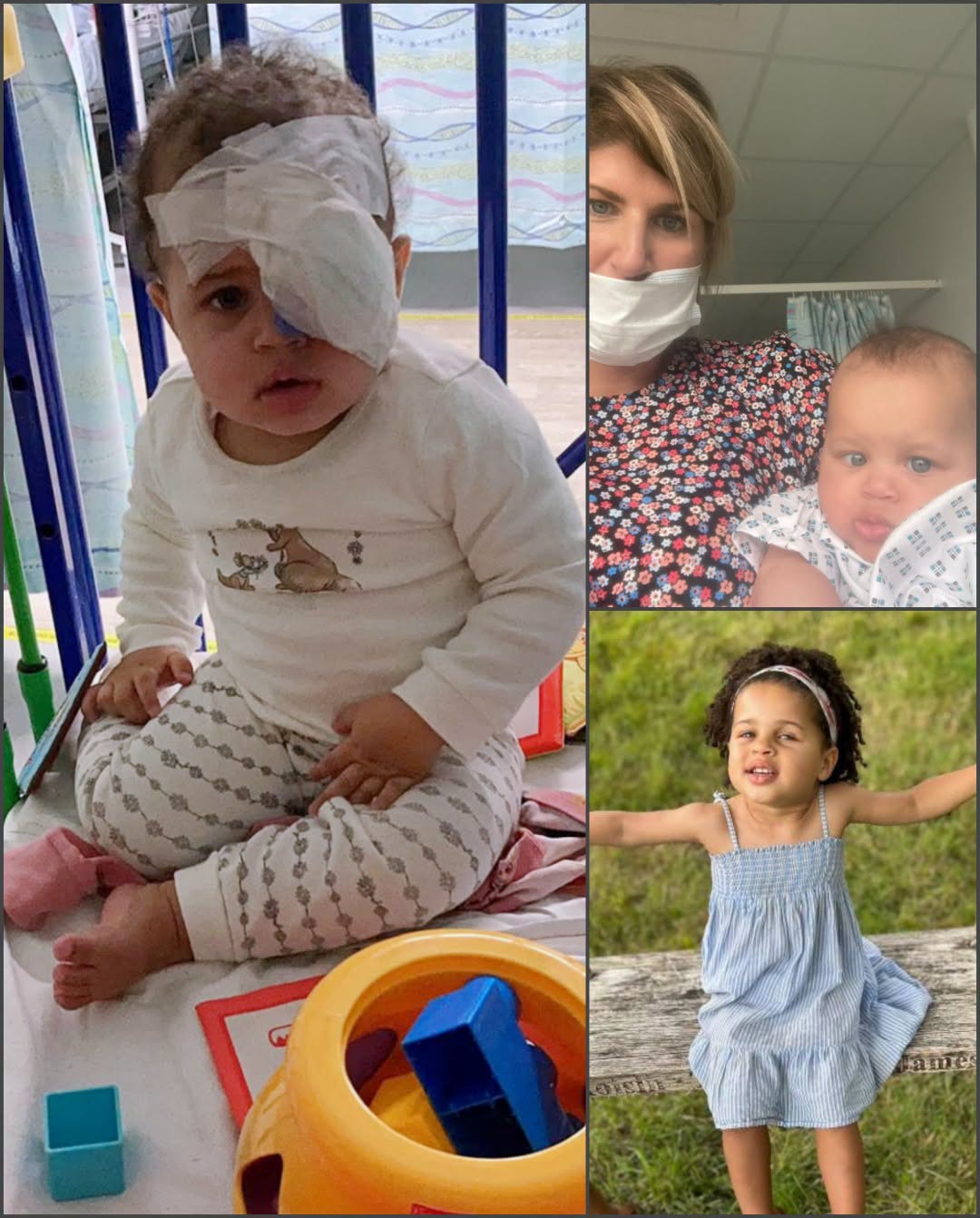
From the very moment she was brought home, a newborn baby girl in the United Kingdom kept persistently rubbing her red, irritated eyelid. Concerned by the constant discomfort, her mother sought professional medical advice, only to be repeatedly reassured by doctors that the redness was merely a common case of infantile eczema. Trusting the experts, the family applied the recommended treatments, expecting the irritation to eventually fade. However, as the months slipped by, the underlying truth of her condition was quietly turning into a family’s absolute worst nightmare.
The turning point came when the baby reached six months of age. While looking closely at her granddaughter, the baby’s grandmother noticed something deeply alarming: the infant’s eye had begun to look completely lifeless and was visibly protruding from its socket. Sensing that this was far more serious than a simple skin condition, the family rushed her to the hospital for an urgent, comprehensive examination. It was there that specialists delivered a devastating diagnosis that shattered the family’s world. The red eyelid was not eczema at all; it was a symptom of retinoblastoma, a rare, aggressive, and fast-growing cancer of the retina that primarily affects young children. Because of the initial misdiagnosis, the tumor had already progressed to a highly advanced stage.
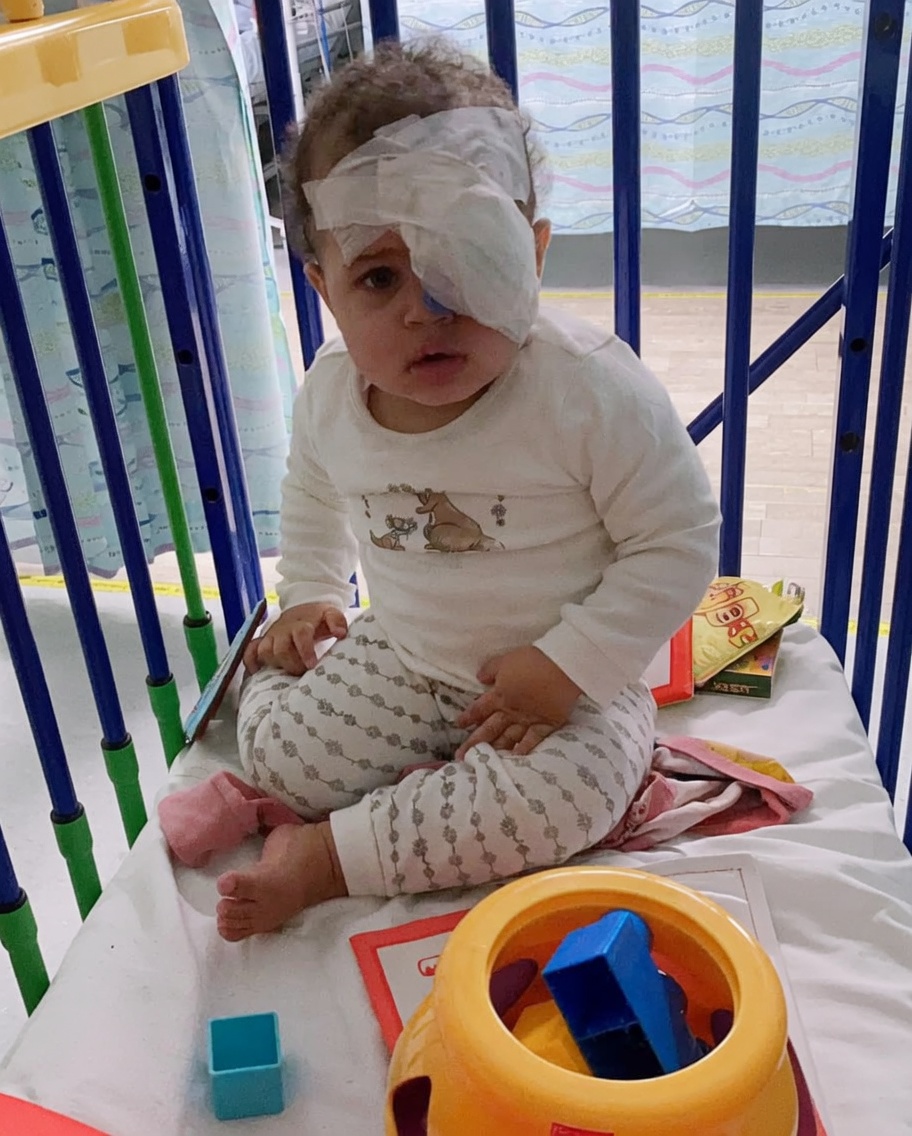
What followed was a grueling medical battle as the tiny infant was subjected to intensive rounds of chemotherapy in an effort to shrink the mass. Tragically, despite the aggressive treatments and the immense bravery of the little girl, the relentless tumor returned with a vengeance. Faced with the reality that the cancer was spreading and causing unbearable pain, her mother had to make the most agonizing, heartbreaking decision of her life. To save her daughter’s life and spare her from further agonizing suffering, she consented to the surgical removal of the eye. It is a poignant reminder of the critical importance of early detection and the devastating consequences when early warning signs are overlooked.