The Mysterious Seven-Hour Life of a North Sumatra Newborn Uncovers Unseen Environmental Dangers
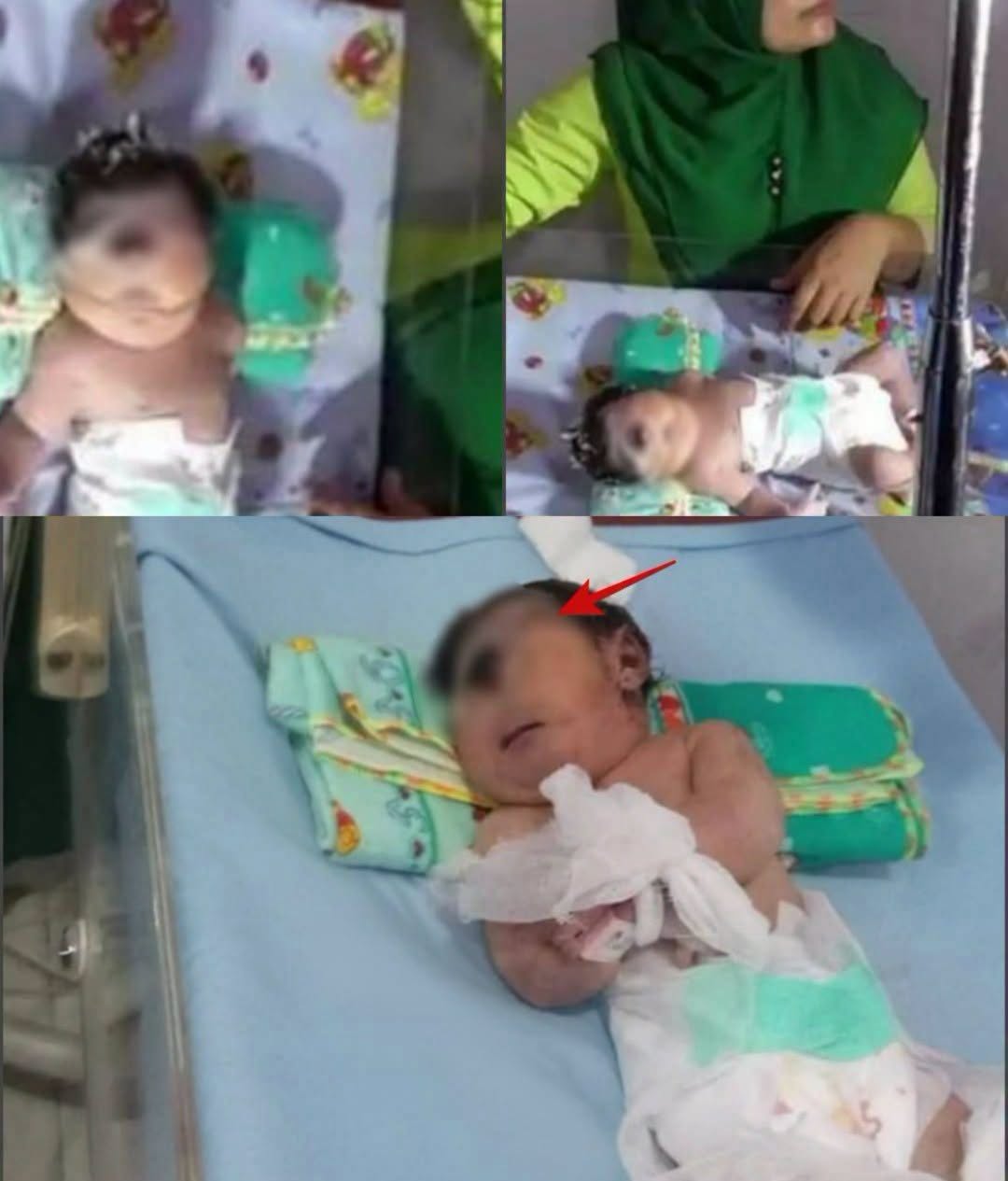
The Mysterious Seven-Hour Life of a North Sumatra Newborn Uncovers Unseen Environmental Dangers
On September 13, in a remote region of North Sumatra, a baby girl was born into the world under circumstances that immediately shocked both her family and the attending medical staff. Arriving with an exceptionally rare and severe facial malformation, the infant struggled for breath from her very first moments. She was immediately placed on critical oxygen support as a dedicated medical team fought tirelessly around the clock to stabilize her fragile condition. Their ultimate goal was to arrange an urgent transfer to a specialized regional hospital equipped for complex pediatric care, but time was rapidly running out.
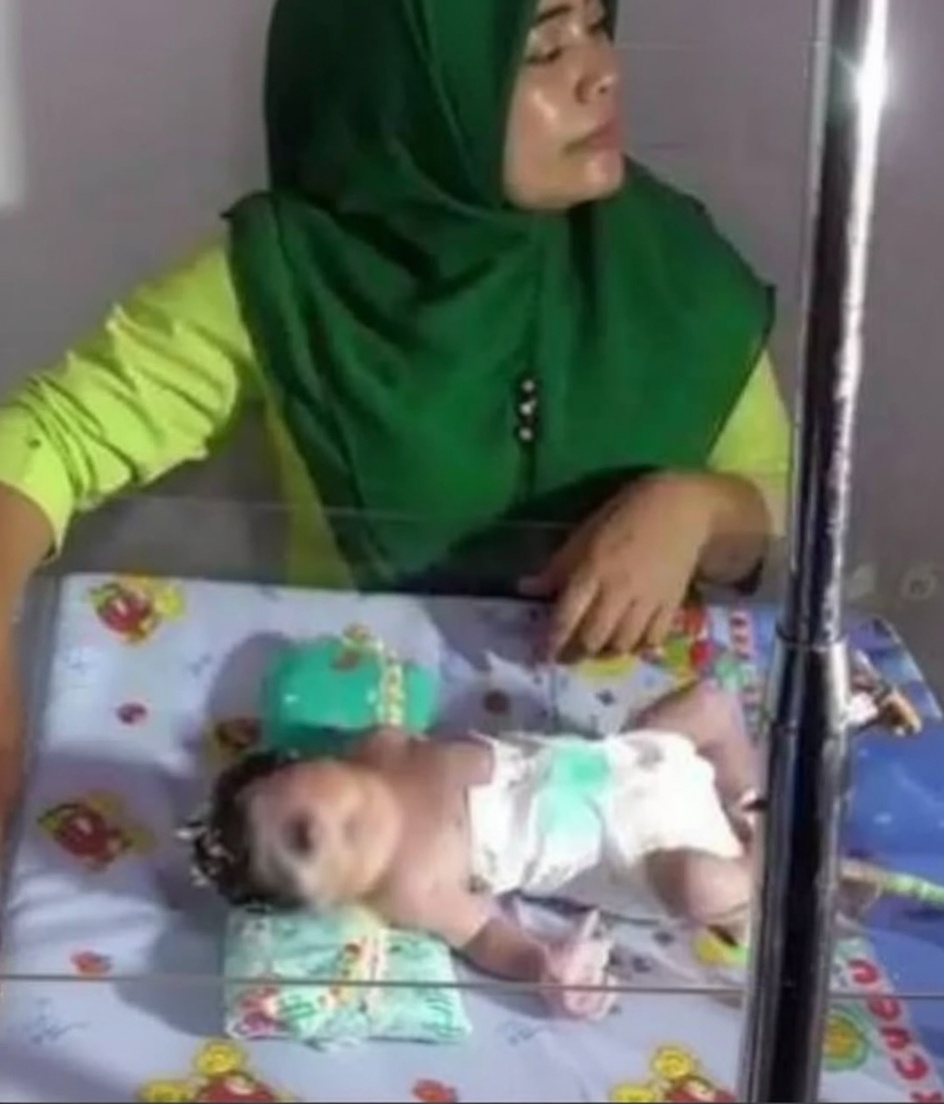
Throughout those agonizing hours, her heart rate persistently hovered below one hundred beats per minute—a dangerously low threshold that signaled imminent cardiovascular failure. Medical professionals privately confided to the grieving family that, given the severity of her internal and anatomical anomalies, her chances of survival were measured in hours rather than days. Despite every desperate intervention, the newborn passed away peacefully in her parents’ arms just seven hours after entering the world.
While her brief presence brought immense heartbreak, the aftermath of her birth ignited an intense medical investigation that left local authorities and health experts asking the exact same question: what could have caused such a drastic developmental tragedy?
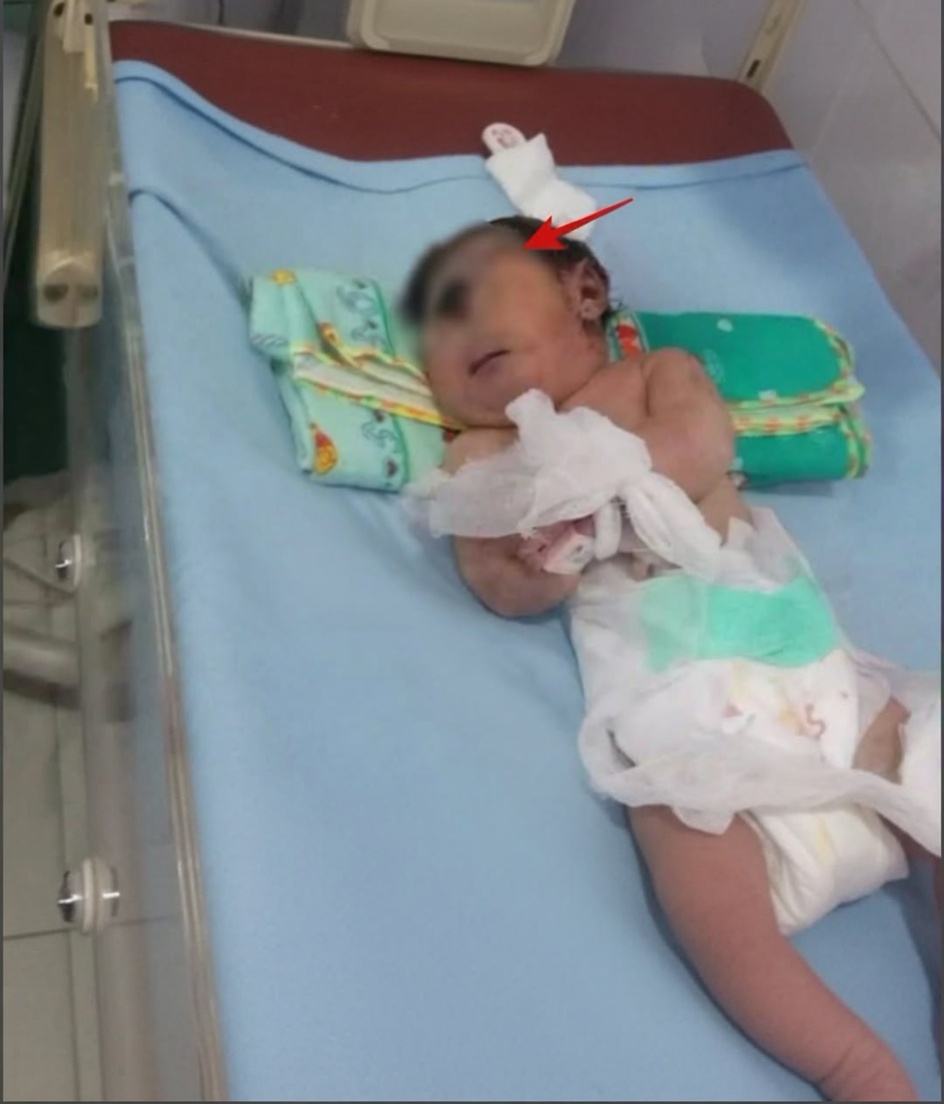
The answer began to emerge when investigators looked closer at the family’s daily living environment. They learned that the infant’s father worked at a small-scale, informal gold mining operation nearby—a sector notorious for utilizing toxic substances like mercury without standard safety equipment. Medical researchers are now exploring whether parental exposure to heavy metal toxicity, combined with surrounding environmental pollutants, played a direct role in the devastating congenital condition. While definitive clinical conclusions are still being evaluated, her short seven-hour life has cast a stark spotlight on the hidden, fatal dangers lurking within unregulated chemical exposures in rural communities.