The Wedding That Introduced America to “Jack and Jackie”: The Unforgettable Love Story of John F. Kennedy and Jacqueline Bouvier
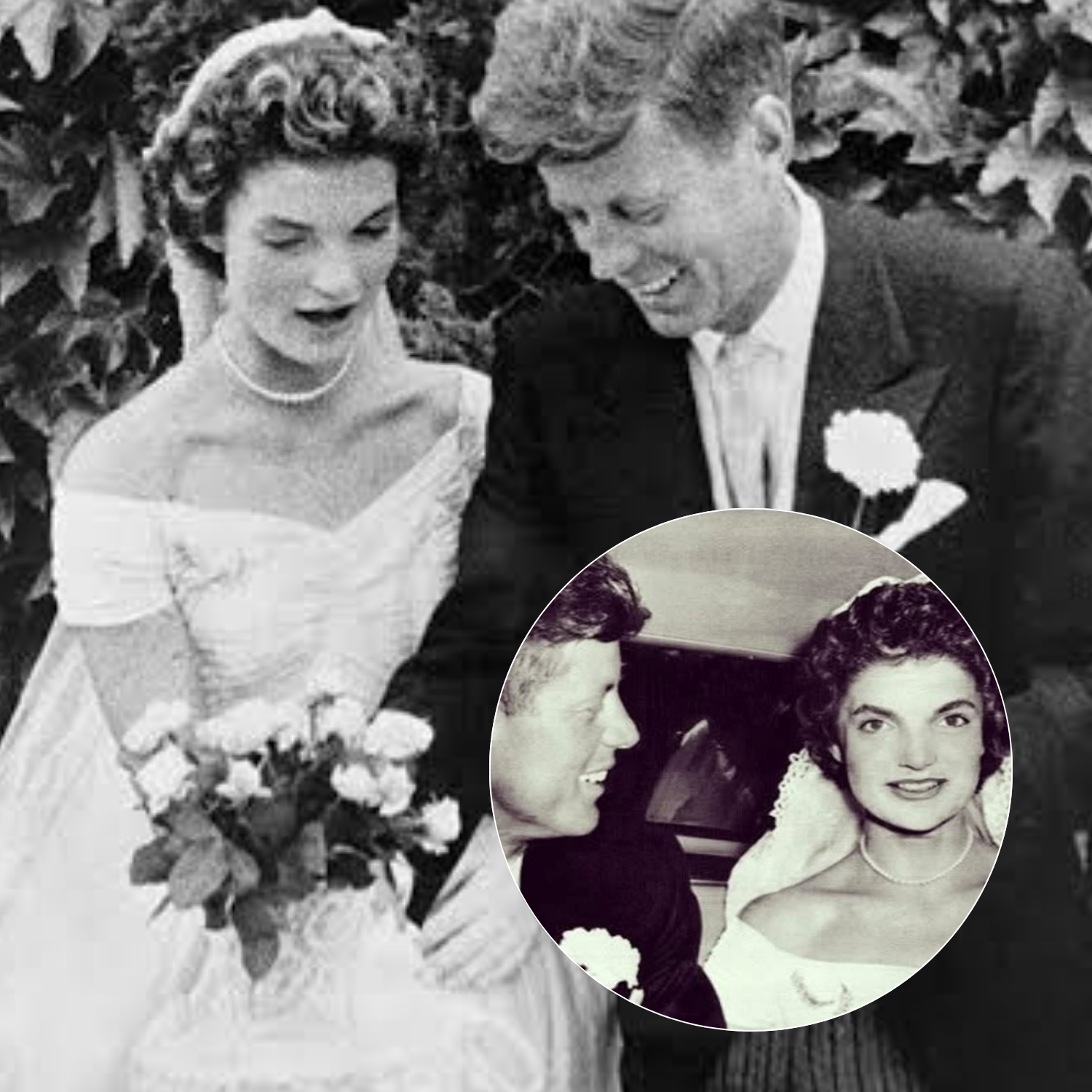
Long before they became one of the most admired couples in American history, John F. Kennedy and Jacqueline Bouvier were simply two ambitious young people whose paths crossed at the perfect moment. But their wedding in 1953 transformed a private romance into a national event—one that introduced America to the legendary duo affectionately known as “Jack and Jackie.”
More than seven decades later, their love story continues to fascinate generations, not only because of who they became, but because of the remarkable journey that began with one unforgettable day.
A Chance Meeting That Changed Everything
In the summer of 1951, Jacqueline “Jackie” Bouvier was a talented young journalist working as the “Inquiring Camera Girl” for the Washington Times-Herald. Intelligent, witty, and deeply interested in literature and history, she quickly stood out in Washington’s social circles.
Around the same time, John Fitzgerald Kennedy was a rising congressman from Massachusetts with a promising political future.
The two met at a Georgetown dinner party through mutual friends. What started as casual conversations soon developed into a relationship built on shared curiosity, lively debates, and genuine admiration. They spent nearly two years dating before Kennedy proposed in June 1953 with a stunning emerald-and-diamond engagement ring that would later become one of the most iconic engagement rings in American history.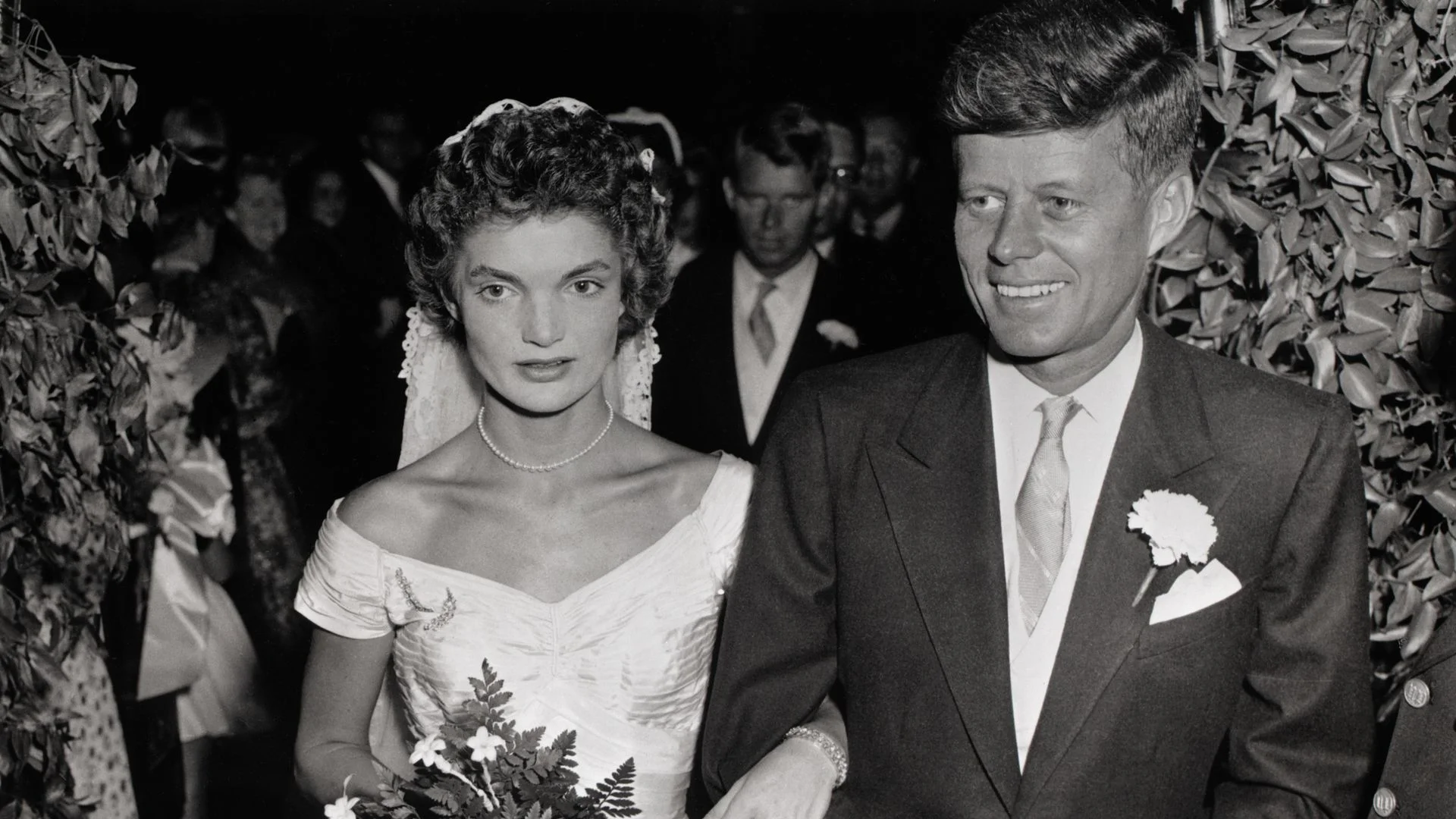
The Wedding That Captivated an Entire Nation
On September 12, 1953, St. Mary’s Church in Newport, Rhode Island, became the setting for what many newspapers described as the social event of the year.
Nearly 800 guests filled the church, including politicians, diplomats, business leaders, and members of America’s most influential families. Outside, thousands more gathered along the streets, hoping to catch just a glimpse of the bride and groom.
The excitement surrounding the ceremony was extraordinary. It wasn’t simply a wedding—it was the moment America met the couple who would one day occupy the White House and capture the world’s imagination.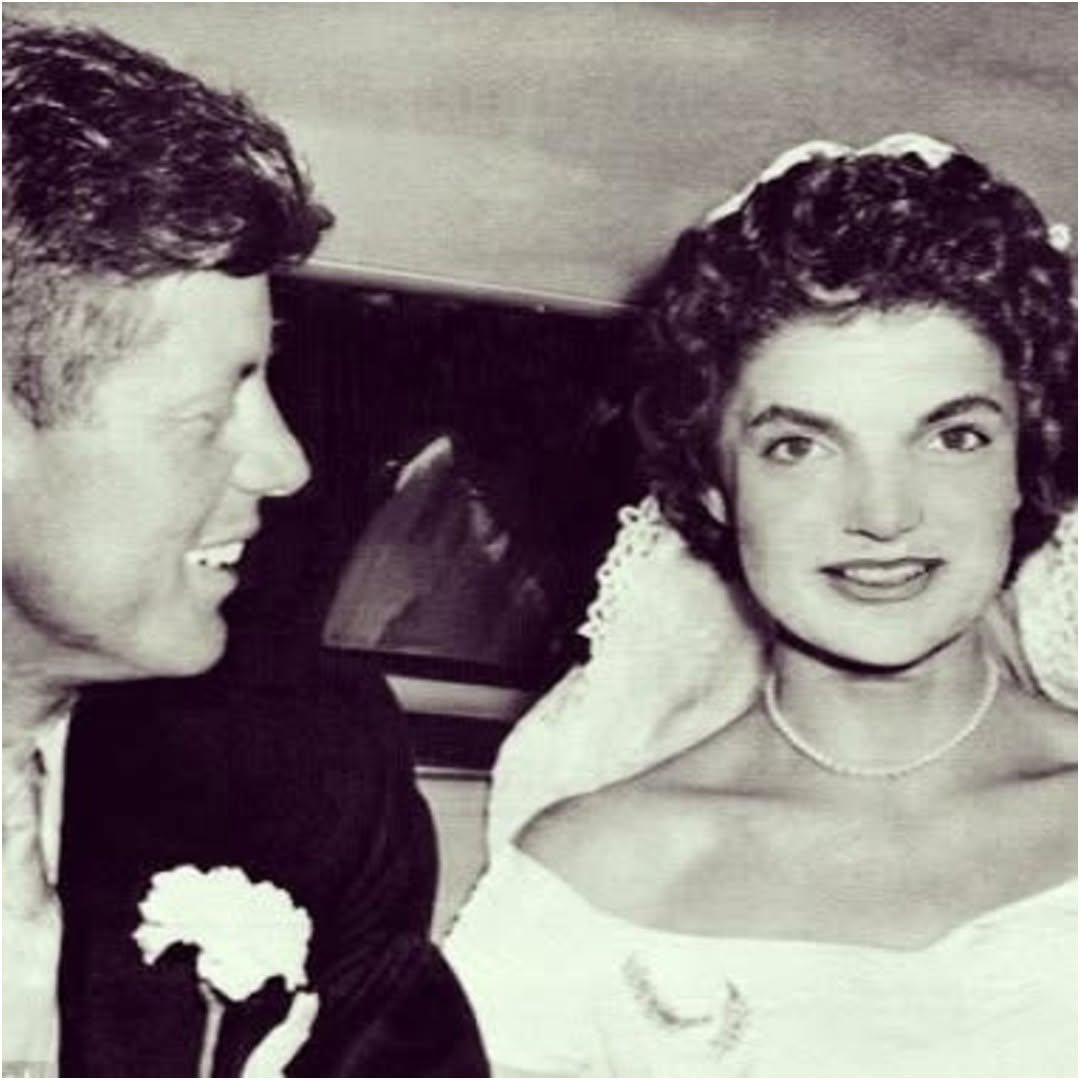
The Dress That Almost Never Made It
Jackie’s elegant ivory silk wedding gown remains one of the most celebrated bridal dresses ever worn.
Yet few people realize how close disaster came.
Just days before the ceremony, severe flooding damaged the workshop of designer Ann Lowe, destroying much of the nearly completed bridal collection. Refusing to let the bride down, Lowe and her team worked around the clock to recreate the gown and the bridesmaids’ dresses in time for the wedding.
For decades, her incredible effort went largely unrecognized. Today, Ann Lowe is finally celebrated as the visionary designer behind one of America’s most iconic wedding dresses.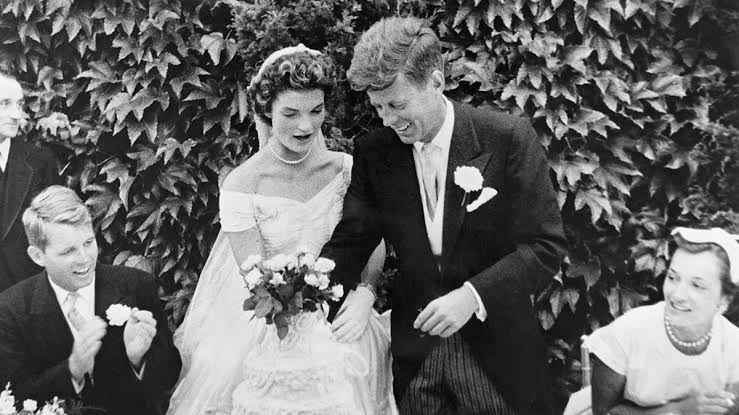
The Beginning of an American Icon
Following their wedding, John and Jackie settled in Washington, D.C., where Kennedy continued building his political career.
Only seven years later, he would become the 35th President of the United States, while Jackie redefined the role of First Lady with her elegance, intelligence, cultural influence, and timeless sense of style.
Her popularity extended far beyond America. During the Kennedys’ visit to Paris in 1961, President Kennedy famously joked:
“I am the man who accompanied Jacqueline Kennedy to Paris.”
The remark reflected just how captivated the world had become by Jackie.
More Than a Love Story
Their marriage would later endure triumphs, heartbreak, and unimaginable tragedy. Yet the image of Jack and Jackie on their wedding day remains one of the most enduring symbols of hope, glamour, and youthful optimism in American history.
Looking back, it’s remarkable to think that on that September afternoon in 1953, they were simply a young couple beginning their life together—completely unaware that they would soon become one of the most recognizable and influential couples the world had ever known.
More than 70 years later, their wedding continues to inspire historians, romantics, and admirers alike, reminding us that some love stories become far more than personal memories—they become part of history itself.