Abigail Breslin Was Oscar-Nominated at 10—Then Spent Adulthood Competing With Olive
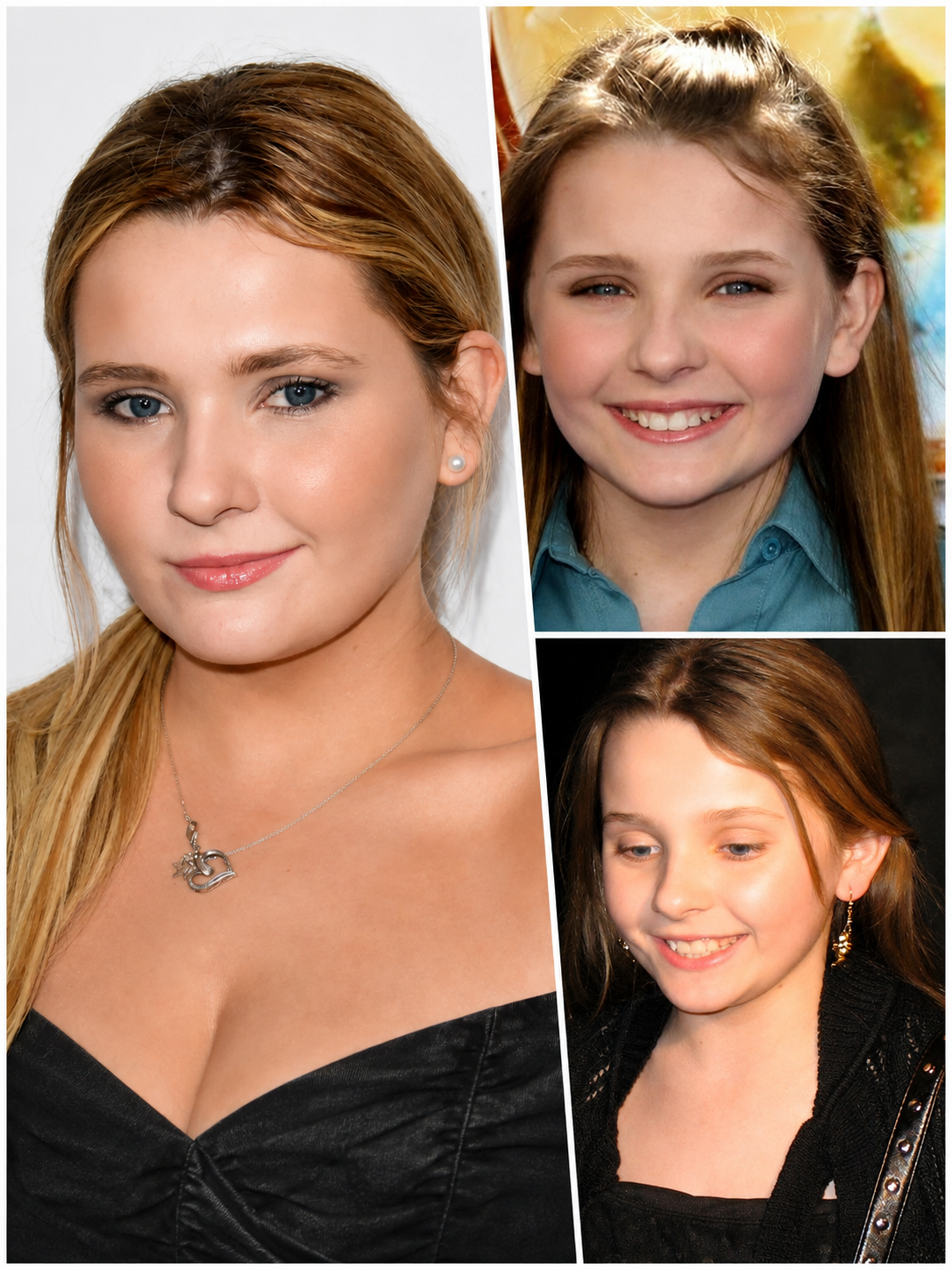
Before Abigail Breslin married Ira Kunyansky in January 2023, she gave the wedding DJ one unusually specific instruction.
Do not play “Super Freak.”
The Rick James song had followed her for years. In Little Miss Sunshine, Breslin’s Olive Hoover performs an uninhibited dance routine to it at a children’s beauty pageant, stunning the audience before her dysfunctional family joins her onstage.
The scene is funny, defiant and unexpectedly moving. It helped turn a small independent film into a cultural phenomenon and carried Breslin to an Academy Award nomination before she entered her teenage years.
Nearly two decades later, she still could not hear the song without being pulled back toward Olive.
That is the complicated legacy of succeeding too early. Breslin never vanished after Little Miss Sunshine. She worked in studio adventures, emotional dramas, horror films, television and theater. She returned to one of her biggest franchises and took increasingly adult roles.
Yet no later moment completely replaced the seven-year-old girl dancing without shame while the adults around her slowly learned to stop judging her.
A Career That Began Before She Could Read Scripts Alone
Breslin was born in New York City in 1996 and began working in commercials when she was three.
Her first major film arrived in 2002 with M. Night Shyamalan’s Signs. At five years old, she played Bo Hess, the young daughter of Mel Gibson’s widowed former minister.
Bo’s habit of leaving unfinished glasses of water around the family home initially seems like an ordinary childhood quirk. By the end, those glasses become essential to the family’s survival.
The film was a major commercial success and immediately placed Breslin in front of an international audience. Even at that age, she displayed a quality that would define her best work: She did not appear to be waiting for an adult performer to finish before delivering a rehearsed reaction.
She listened.
More roles followed, but Little Miss Sunshine changed the direction of her life.
Olive Hoover Was Never the Joke
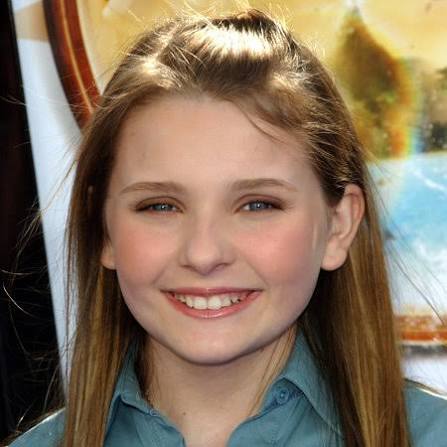
Released in 2006, Little Miss Sunshine follows the Hoover family as they drive an aging yellow Volkswagen bus from New Mexico to California so Olive can compete in a beauty pageant.
Each member of the family arrives with a private crisis.
Olive’s father, Richard, is obsessed with his unsuccessful motivational program. Her mother, Sheryl, tries to hold the household together. Her brother Dwayne has taken a vow of silence. Her uncle Frank has recently survived a suicide attempt, while her grandfather Edwin has been expelled from a retirement home.
At the center is Olive, a child who wants to be a beauty queen despite having none of the artificial polish surrounding the other contestants.
Breslin was nine during filming and 10 when the movie became an awards contender. Her performance avoided both sentimentality and parody. Olive believed in the pageant completely, but the film never treated her body or ambition as a joke.
The emotional turning point comes before the final performance. Olive worries that she may be a “loser” because her father repeatedly divides the world into winners and losers.
Her grandfather reassures her that trying is what separates her from people who have already surrendered.
When Olive finally performs the routine he taught her, the pageant organizers are horrified. Her family initially shares that embarrassment. Then, one by one, they climb onto the stage and dance beside her.
The moment works because Breslin plays Olive without self-consciousness. She does not understand why the adults are uncomfortable, and that innocence exposes the absurdity of their judgment.
The film grossed more than $100 million worldwide and received four Academy Award nominations. Breslin was nominated for Best Supporting Actress, making her one of the youngest performers ever recognized in that category.
Alan Arkin won the supporting-actor Oscar for playing Olive’s grandfather. Screenwriter Michael Arndt also won, while the film competed for Best Picture.
Breslin did not win. The nomination alone created expectations few children could reasonably carry.
Hollywood Asked Her to Keep Growing in Public
After Little Miss Sunshine, Breslin became one of the industry’s most in-demand young actresses.
She starred opposite Jodie Foster in Nim’s Island, playing a girl who lives with her scientist father on a remote island. In Kit Kittredge: An American Girl, she portrayed a child journalist confronting the hardships of the Great Depression.
Then came My Sister’s Keeper in 2009.
Breslin played Anna Fitzgerald, a girl conceived partly to provide medically compatible tissue for her older sister, who has leukemia. Anna seeks legal control over her own body, forcing the family to confront questions about love, obligation and consent.
The role demanded emotional maturity, but it also echoed a problem Breslin would later identify in the film industry: Children are often expected to perform adult responsibilities while possessing limited authority over the circumstances surrounding them.
The same year, she played Little Rock in Zombieland. The horror comedy allowed her to be suspicious, funny and resourceful rather than emotionally fragile. Her character and older sister Wichita, played by Emma Stone, survive by distrusting nearly everyone they meet.
By 13, Breslin had moved from supernatural thriller to independent comedy, family adventure, medical drama and violent satire.
She had not become less successful.
The difficulty was that every new role was evaluated beside Olive.
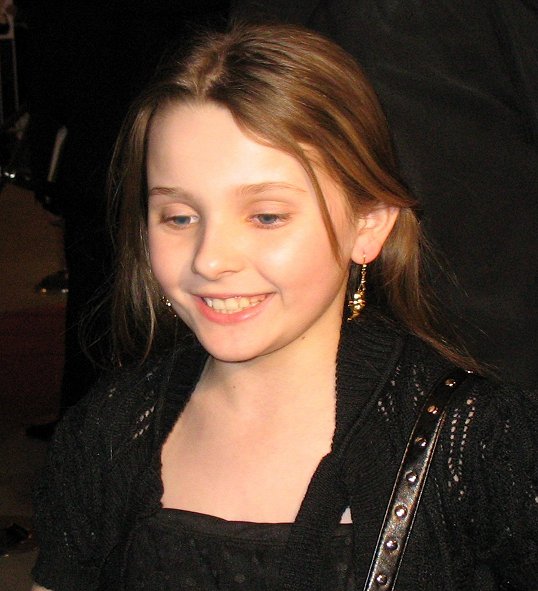
The Transition Adult Actors Never Have to Make
Child performers face a challenge built into their profession: Their most marketable qualities can disappear through ordinary growth.
A studio may cast a child because of her voice, size, face or ability to project innocence. Adolescence changes all of those things. The performer must then persuade audiences and casting directors to meet her again.
Breslin continued building a substantial career through that transition.
She appeared in New Year’s Eve, voiced Priscilla in Rango and joined a celebrated ensemble in August: Osage County. She moved into darker territory with The Call, Final Girl and Maggie, in which she played a teenager slowly transforming after a zombie infection.
On television, she embraced exaggerated comedy as Chanel No. 5 in Scream Queens. In 2017, she played Frances “Baby” Houseman in ABC’s television adaptation of Dirty Dancing.
The roles demonstrated range, but none produced the same emotional identification audiences had formed with Olive.
Breslin later said people sometimes forgot she was no longer nine. The statement captured the strange permanence of childhood fame. Viewers could watch her age onscreen and still approach each performance looking for the little girl from the yellow van.
The Responsibilities Without the Respect
As an adult, Breslin became more direct about the difficulties of working professionally as a child.
During a 2024 conversation with former child actor Christy Carlson Romano, she described child performers as being given adult levels of responsibility without receiving equivalent respect.
They are expected to arrive prepared, remember dialogue, respond to direction and help keep expensive productions on schedule. Yet their autonomy can remain secondary to what adults around them want.
A child actor may be the emotional center of a film and one of its most recognizable faces. She is still a minor inside a system controlled by studios, directors, agents, managers and parents.
Breslin did not describe her entire childhood career as miserable. She has spoken affectionately about many projects and colleagues, including the Little Miss Sunshine cast.
Her criticism was aimed at a contradiction.
Children are treated as professionals when responsibility is required, then treated merely as children when they ask for control, privacy or respect.
That tension gives her early achievements another meaning. The Oscar nomination celebrated her ability to perform at an extraordinary level. It did not mean she possessed the power normally associated with that recognition.
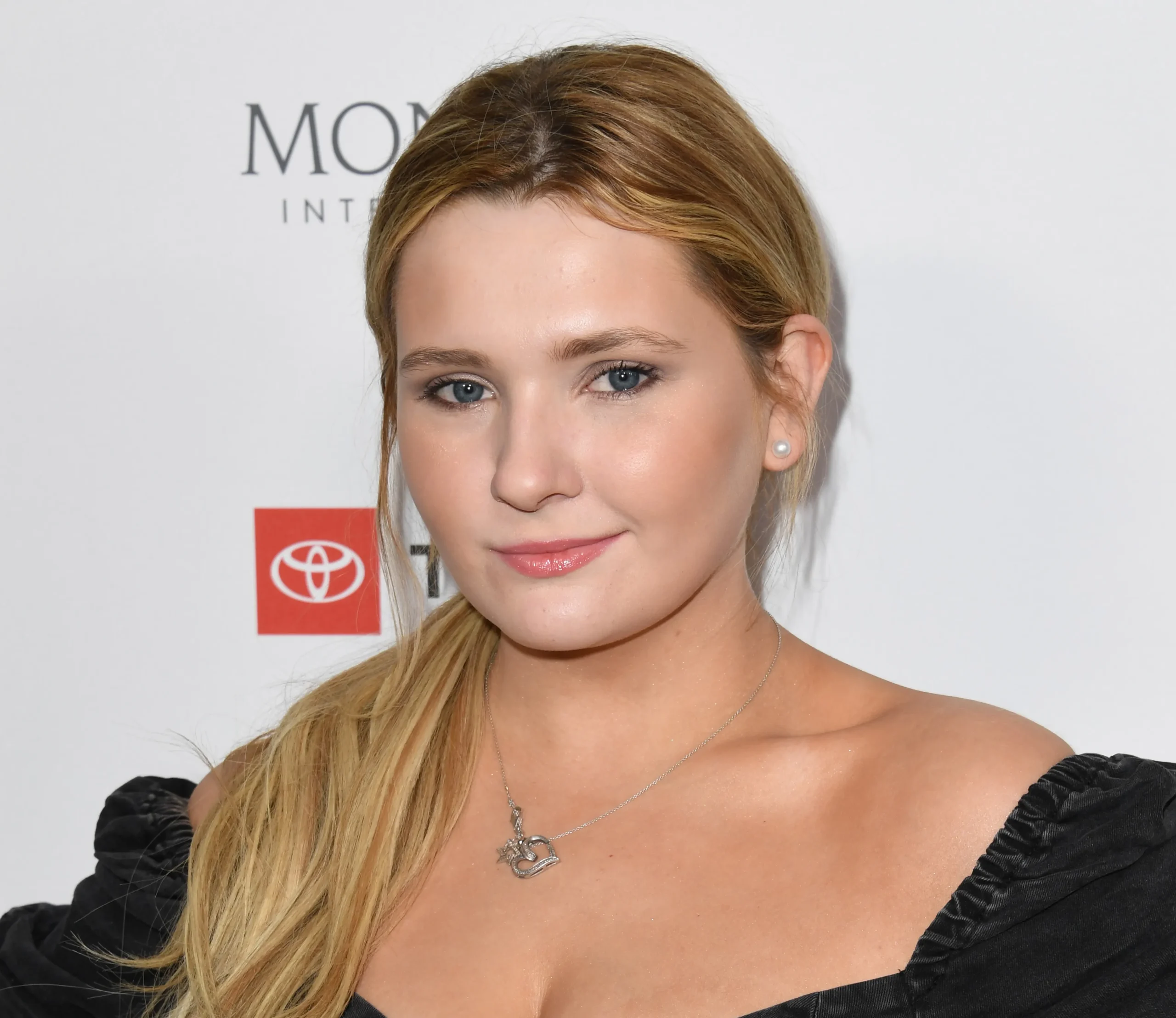
Building an Adult Career Outside Olive’s Shadow
Breslin reunited with the surviving Zombieland cast for Zombieland: Double Tap in 2019. The sequel allowed audiences to see Little Rock as a young woman searching for an identity beyond the improvised family that had protected her.
In Stillwater, released in 2021, she played Allison, an American imprisoned in France for a murder she said she did not commit. Matt Damon portrayed her father, who travels to Marseille attempting to prove her innocence.
The role was guarded and morally complicated, far removed from Olive’s openness.
Breslin later portrayed Trish Weir in Miranda’s Victim, a drama examining the woman whose case helped create the requirement that American police inform suspects of certain constitutional rights. She also appeared in the action thriller Classified and continued developing work as a singer, writer and producer.
Her life outside acting changed as well. She married Kunyansky after a long relationship, entered her 30s and spoke more openly about grief, relationships and the treatment of women in the entertainment industry.
Still, Little Miss Sunshine remained close behind.
At a 20th-anniversary reunion during the 2026 Sundance Film Festival, Breslin admitted that she did not clearly remember filming the famous dance. The sequence had become more vivid to audiences than it was in her own childhood memory.
She also explained why “Super Freak” was forbidden at her wedding. Friends had played it around her for years, turning someone else’s nostalgia into a recurring joke she could never fully escape.
The detail was funny, but it carried a deeper truth.
A scene she performed as a child had become public property. Everyone else was free to revisit it whenever they wished.
She was the one person who could never experience it simply as a movie.
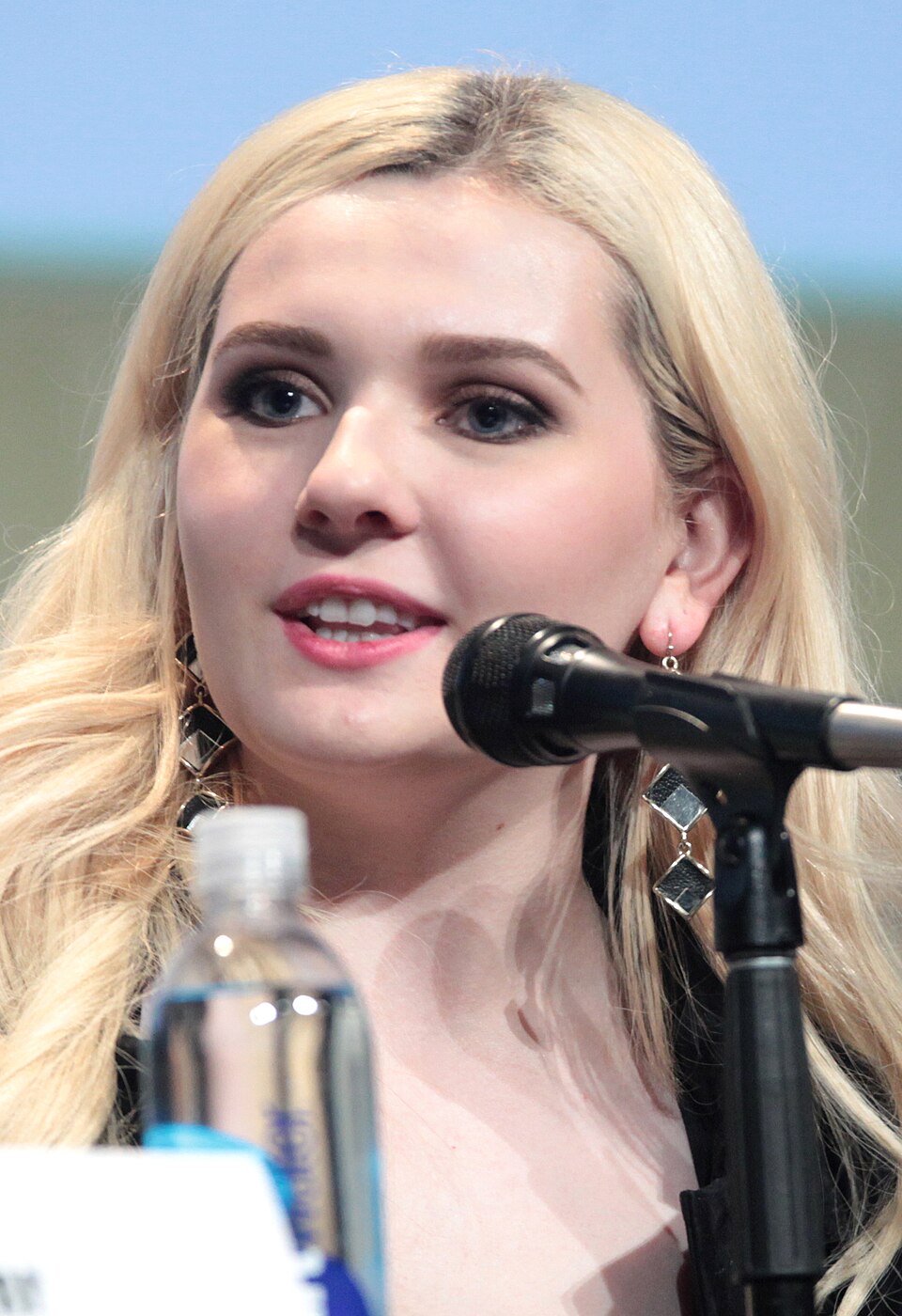
The Standard No Adult Role Could Easily Beat
Abigail Breslin’s career is not a story of disappearance.
She has worked steadily for more than two decades, crossed genres and survived the difficult move from child performer to adult actress. She has played frightened children, rebellious teenagers, killers, survivors and women caught inside legal and family crises.
What she has not done is recreate the exact cultural impact of Olive’s final dance.
That may be less a failure of her later career than evidence of how rare the original moment was.
Little Miss Sunshine arrived with the right cast, script and emotional balance. Breslin played a child who did not yet understand why the world wanted her to feel ashamed. Her innocence forced the adults around her—and the audience—to confront their own cruelty.
An actor cannot manufacture that combination repeatedly.
Olive will always remain seven, waiting backstage in red boots and oversized glasses. She never has to navigate adolescence, negotiate adult contracts or convince audiences that she deserves to be seen differently.
Breslin had to do all of those things.
She earned an Oscar nomination before she was old enough to understand the full scale of it. Every role afterward carried the impossible expectation that she should somehow surpass a performance created before she entered middle school.
She did not become Olive again.
She did something harder: She grew up, kept working and insisted that the woman behind the famous little girl deserved her own voice.