Lindsay Clancy Weeps as Witness Shares Loving Memories of 3-Year-Old Callan
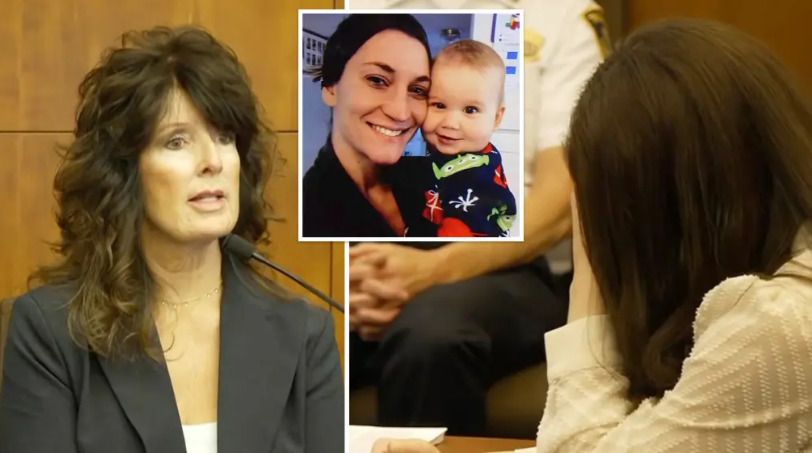
Lindsay Clancy Weeps as Witness Shares Loving Memories of 3-Year-Old Callan
The murder trial of Lindsay Clancy took another emotional turn as jurors heard heartfelt testimony about 3-year-old Callan Clancy, one of the three children whose deaths are at the center of the closely watched Massachusetts case.
During testimony, a witness who had cared for or closely interacted with Callan described him as a happy, affectionate, and energetic little boy who brought joy to those around him. The witness recalled his playful personality, bright smile, and loving nature, offering jurors a glimpse into the life of the young child before the tragedy.
As the testimony unfolded, Lindsay Clancy became visibly emotional. Observers in the courtroom reported that she wiped away tears while listening to the witness’s memories of her son. It was one of several emotional moments during the trial, which has included testimony from family members, first responders, investigators, and medical professionals.
Prosecutors allege that Clancy intentionally killed her three children—5-year-old Cora, 3-year-old Dawson, and 8-month-old Callan—at the family’s home in Duxbury, Massachusetts, in January 2023. They contend that the evidence shows she acted with intent and should be held criminally responsible.
The defense does not dispute that the children died but argues that Clancy was suffering from severe postpartum psychosis at the time of the killings. Her attorneys maintain that her mental illness prevented her from appreciating the wrongfulness of her actions and have entered a plea of not guilty by reason of insanity.
Throughout the trial, jurors have heard detailed testimony regarding the family’s final hours, Clancy’s mental health treatment, and the emergency response following the incident. Mental health experts are expected to play a significant role as both the prosecution and defense continue presenting their cases.

The trial has drawn national attention because it raises complex legal questions surrounding postpartum mental illness and criminal responsibility. Ultimately, the jury will be asked to determine whether Clancy was legally responsible for her actions under Massachusetts law or whether she meets the legal standard for a verdict of not guilty by reason of insanity.
The proceedings are expected to continue with additional witness testimony and expert evidence before the case is submitted to the jury for deliberation.
Source: NY Post