COULD JON VENABLES’ NEXT PAROLE HEARING BE OPENED TO THE PUBLIC?
COULD JON VENABLES’ NEXT PAROLE HEARING BE OPENED TO THE PUBLIC?
Denise Fergus, the mother of murdered toddler James Bulger, and her husband Stuart have formally asked the Parole Board to allow Jon Venables’ next parole hearing to take place in public. The application has been acknowledged by the board, but the request is not yet decided and Venables has an opportunity to object.
 UNITED KINGDOM — A new development in the long-running James Bulger case has put the question of parole hearings and public transparency back in the spotlight.
Denise Fergus, James Bulger’s mother, and her husband Stuart have formally applied for Jon Venables’ upcoming parole hearing to be held in public.
The Parole Board has confirmed that it received the application, beginning a process in which Venables has a limited period in which to object.
The request does not automatically mean that the hearing will become public. The board must consider the application and determine whether the legal requirements for a public hearing are met.
The hearing is not expected to take place before September 2026.
 A REQUEST FOR GREATER TRANSPARENCY
The application from James’ family is centered on arguments about transparency and public confidence in the parole process.
Denise Fergus has long campaigned for greater accountability in decisions concerning Venables, who was convicted as a child for James’ murder and later released under a new identity.
The latest request comes after Venables was subsequently recalled to prison twice as an adult in connection with offences involving indecent images of children.
For James’ family, those later developments form an important part of the context surrounding the request for greater public scrutiny.
Their application asks the Parole Board to consider whether allowing the hearing to be observed by members of the public would provide greater transparency around the decision-making process.
THE HEARING WOULD NOT NECESSARILY REVEAL HIS IDENTITY
One important point has emerged amid discussion of the application: a public parole hearing would not necessarily mean that Venables’ identity or whereabouts would become public.
Legal protections surrounding his anonymity could remain in place.
Reports indicate that measures could potentially be used to protect his identity during proceedings, including physical screening and technology designed to alter his voice.
That means a hearing could be open to public observation while still maintaining restrictions designed to prevent Venables from being identified.
The precise arrangements, however, would depend on any decision to allow a public hearing and the conditions attached to that decision.
VENABLES HAS A RIGHT TO OBJECT
The application from the Bulger family is not a decision by the Parole Board itself.
Venables has been given a limited period in which to object to the request.
His response will form part of the material considered before the board determines whether the hearing should be opened to the public.
The decision therefore involves balancing competing considerations, including the public interest in transparency and the legal protections applicable to parole proceedings.
WHY THE CASE REMAINS SO CLOSELY FOLLOWED
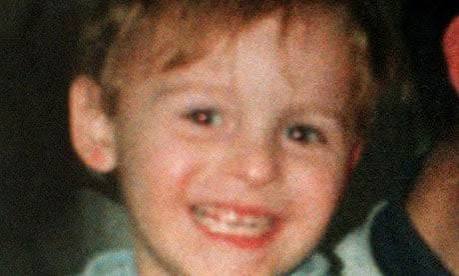
The murder of two-year-old James Bulger in 1993 remains one of the most closely followed criminal cases in modern British history.
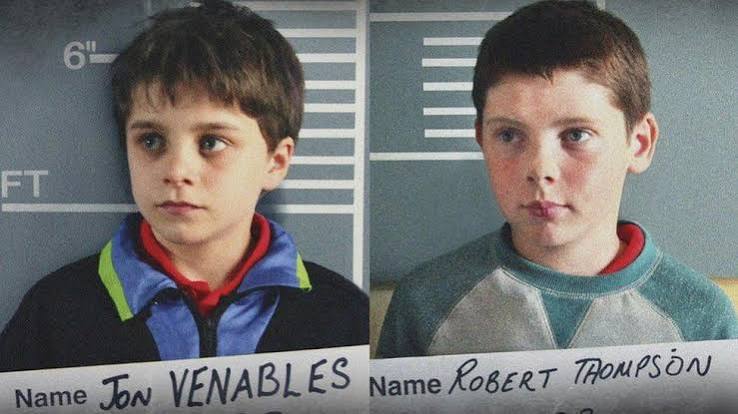
James was abducted from a shopping centre in Bootle, Merseyside, before being murdered by two ten-year-old boys, Robert Thompson and Jon Venables.
Because the offenders were children at the time, the case raised unprecedented questions about juvenile justice, rehabilitation, anonymity and the protection of children involved in serious criminal proceedings.
Venables’ subsequent parole history has continued to attract public attention decades later.
LATER OFFENCES CHANGED THE CONTEXT
Venables was eventually released from custody as an adult under strict legal protections.
He was later recalled to prison on two occasions following offences involving indecent images of children.
Those developments have intensified scrutiny of previous decisions concerning his release and rehabilitation.
For the Bulger family, the issue is not simply about whether Venables should remain in prison.
Their latest application focuses specifically on how the parole decision is made and whether greater public scrutiny is appropriate.
WHAT WOULD A PUBLIC HEARING ACTUALLY MEAN?
A public hearing would not necessarily resemble a conventional criminal trial.
The purpose of a parole hearing is to assess whether a prisoner can safely be released, based on the evidence and risk assessment available to the board.
If a hearing were opened to the public, restrictions could still apply.
Those restrictions could address the protection of Venables’ identity, sensitive evidence, victims’ privacy and other confidential information.
A public hearing therefore would not mean that every piece of evidence or every detail discussed would automatically become available to the public.
THE TIMING OF THE NEXT HEARING
The Parole Board process is expected to continue during the coming months.
The next hearing is not expected before September 2026, meaning there is still time for the application concerning public access to be considered.
The eventual decision will determine whether members of the public can observe proceedings or whether the hearing will remain subject to the usual restrictions.
Regardless of the outcome, the case is likely to attract considerable attention because of the exceptional history surrounding Venables and the continuing impact of James Bulger’s murder on his family.
A QUESTION OF PUBLIC CONFIDENCE
At the heart of the latest development is a broader question about the parole system:
How much transparency should the public expect when a high-profile offender is being considered for release?
Supporters of greater openness argue that public observation can strengthen confidence in the justice system and demonstrate that important decisions are being made carefully and independently.
Others point to the need to protect sensitive information and the legal rights of individuals involved in parole proceedings.
The Parole Board must ultimately decide how those competing considerations should be balanced in this particular case.
WHAT HAPPENS NEXT?
For now, the application remains just that — an application.
The Parole Board has confirmed receiving the request, while Venables has an opportunity to object.
No final decision has yet been announced on whether the hearing will be opened to the public.
And even if the request succeeds, anonymity protections could remain in place.
For Denise Fergus and her family, however, the application represents another attempt to bring greater scrutiny to a process that has remained deeply significant to them for decades.
The next major development will be the Parole Board’s decision on whether the public should be allowed to see the process unfold.
Should Jon Venables’ next parole hearing be opened to public scrutiny, while still protecting his identity?