SIX MONTHS. NO BODY. NO ARREST. BUT COULD NANCY GUTHRIE’S CASE STILL BECOME A MURDER TRIAL?

SIX MONTHS. NO BODY. NO ARREST. BUT COULD NANCY GUTHRIE’S CASE STILL BECOME A MURDER TRIAL?
For more than six months, one question has haunted the Nancy Guthrie investigation:
What if investigators never find her?
Nancy Guthrie, 84, disappeared from her Arizona home on February 1, 2026. Authorities have said they believe she was taken against her will, yet despite months of searches and investigative work, she has still not been found.
Now, an important legal question is coming into sharper focus:
Could prosecutors pursue a murder case without ever finding Nancy’s body?
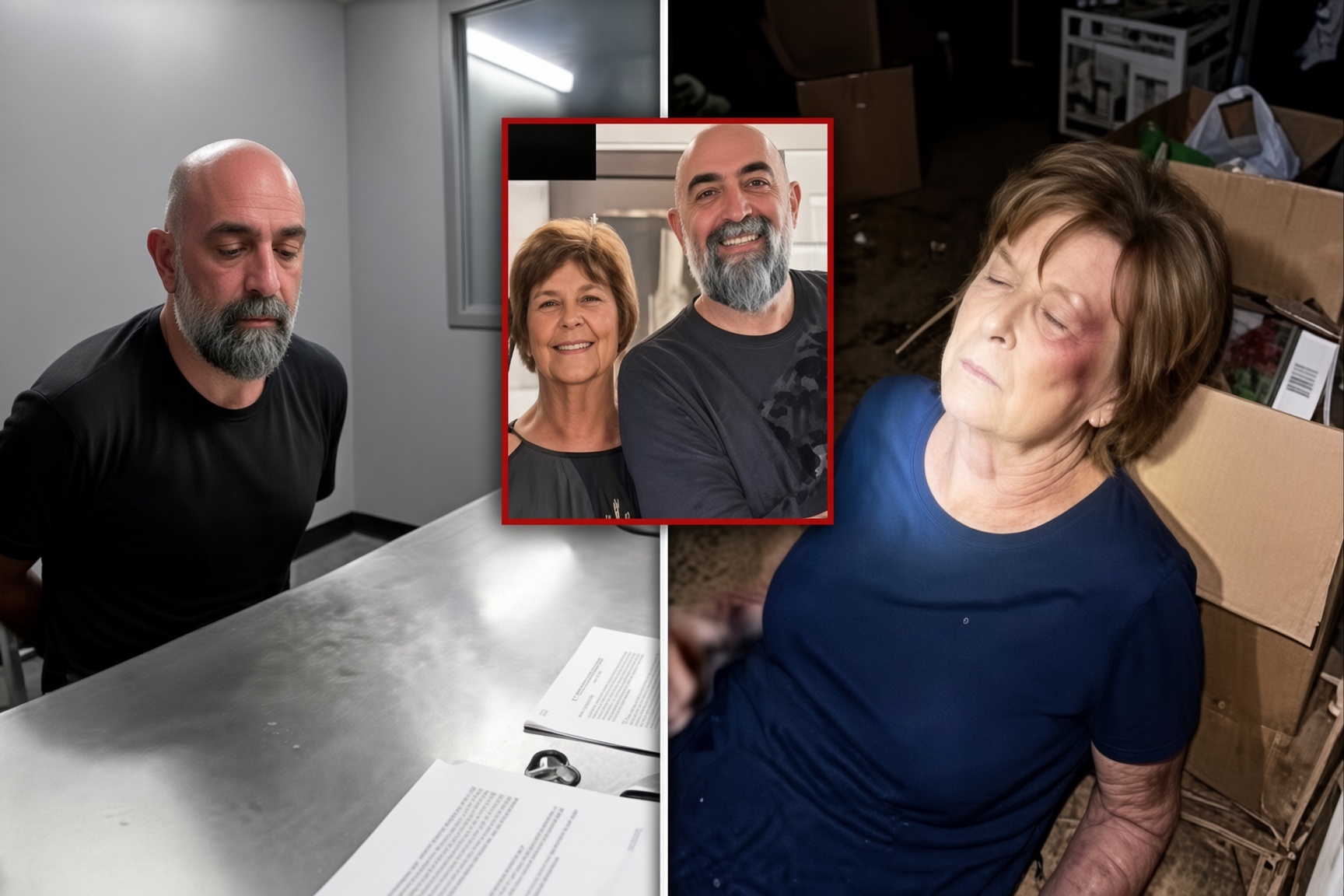
According to veteran prosecutor Tad DiBiase, the answer is potentially yes.
DiBiase has spent years studying “no-body” homicide cases. He says that if investigators can build a sufficiently strong case through circumstantial evidence, the absence of a body does not automatically prevent prosecutors from pursuing a homicide case.
That does not mean Nancy’s case has officially been declared a murder.
It does not mean anyone has been charged.
And it does not prove that Nancy is dead.
But it raises a chilling legal possibility as the investigation continues.
How much evidence would be enough to tell a jury what happened — even without the final piece of physical evidence?
Investigators have been examining surveillance footage, digital evidence, forensic evidence, witness information and other leads surrounding Nancy’s disappearance.
Then came the ransom messages.
Those messages added another layer of mystery.
One reportedly demanded millions of dollars and contained specific details connected to Nancy.
Another message reportedly claimed Nancy had died after being taken.
But investigators have not publicly confirmed that the messages are authentic or that they were written by the person responsible for Nancy’s disappearance.
That leaves investigators with even more questions.
Who wrote them?
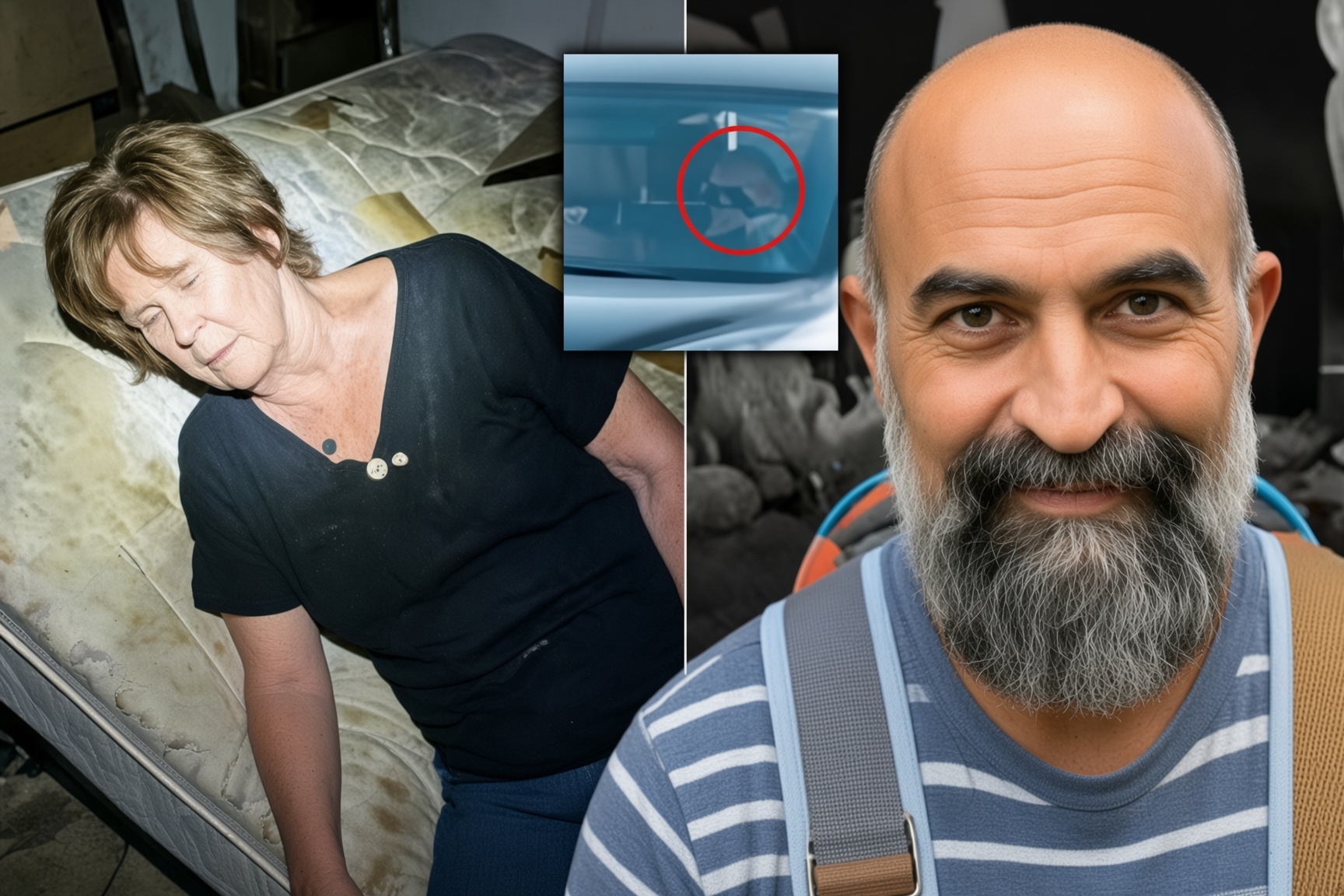
Why were they sent?
How did the sender know certain details?
And perhaps the biggest question of all:
Were the messages designed to reveal something — or to deliberately confuse investigators?
The answers could become extremely important.
A body can provide critical evidence about what happened to a victim.
It can help establish identity.
It can potentially reveal how and when a person died.
It can also help investigators eliminate alternative explanations.
But a missing body does not necessarily mean a homicide case is impossible.
In certain cases, prosecutors have successfully relied on a combination of circumstantial evidence to establish what happened.
That would be an enormous challenge in Nancy’s case.
Prosecutors would have to present evidence strong enough to convince a jury beyond a reasonable doubt.
Every unanswered question could become a point of attack.
What happened inside Nancy’s home?
Who entered?
What happened after she was last seen?
Where was she taken?
Who knew about her routine?
Who may have had access to information surrounding her disappearance?
And perhaps most importantly:
What happened during the hours after Nancy vanished?

Those questions remain at the center of the mystery.
Meanwhile, Nancy’s family continues to wait.
For them, this isn’t simply another investigation appearing on the evening news.
It is their mother.
Their grandmother.
Their loved one.
Someone who disappeared — leaving behind a family desperate for answers.
Every new lead can bring hope.
Every dead end brings another painful reminder that Nancy still hasn’t been found.
And now, as the months continue to pass, the legal question becomes increasingly fascinating:
Could investigators eventually build a murder case without ever recovering Nancy’s remains?
The answer is legally possible.
But before that could happen, investigators would need to establish exactly what happened to Nancy — and gather enough evidence to prove it.
For now, there is no murder charge.
There is no confirmed recovery.
There is no final answer.
Only an investigation that continues to search through the evidence.
Six months later.