The Unspoken Warning Signs That Turned Every Parent’s Worst Nightmare Into a Lifesaving Medical Journey

The Unspoken Warning Signs That Turned Every Parent’s Worst Nightmare Into a Lifesaving Medical Journey
When Juan Gutierrez and Maria Torres welcomed their baby boy, Benjamin, into the world, their hearts were filled with the effortless joy that comes with new beginnings. Like most first-time parents, they spent his earliest months marveling at every milestone, eager to watch him explore his surroundings. However, as the weeks passed, subtle and deeply puzzling behaviors began to shadow their happiness.
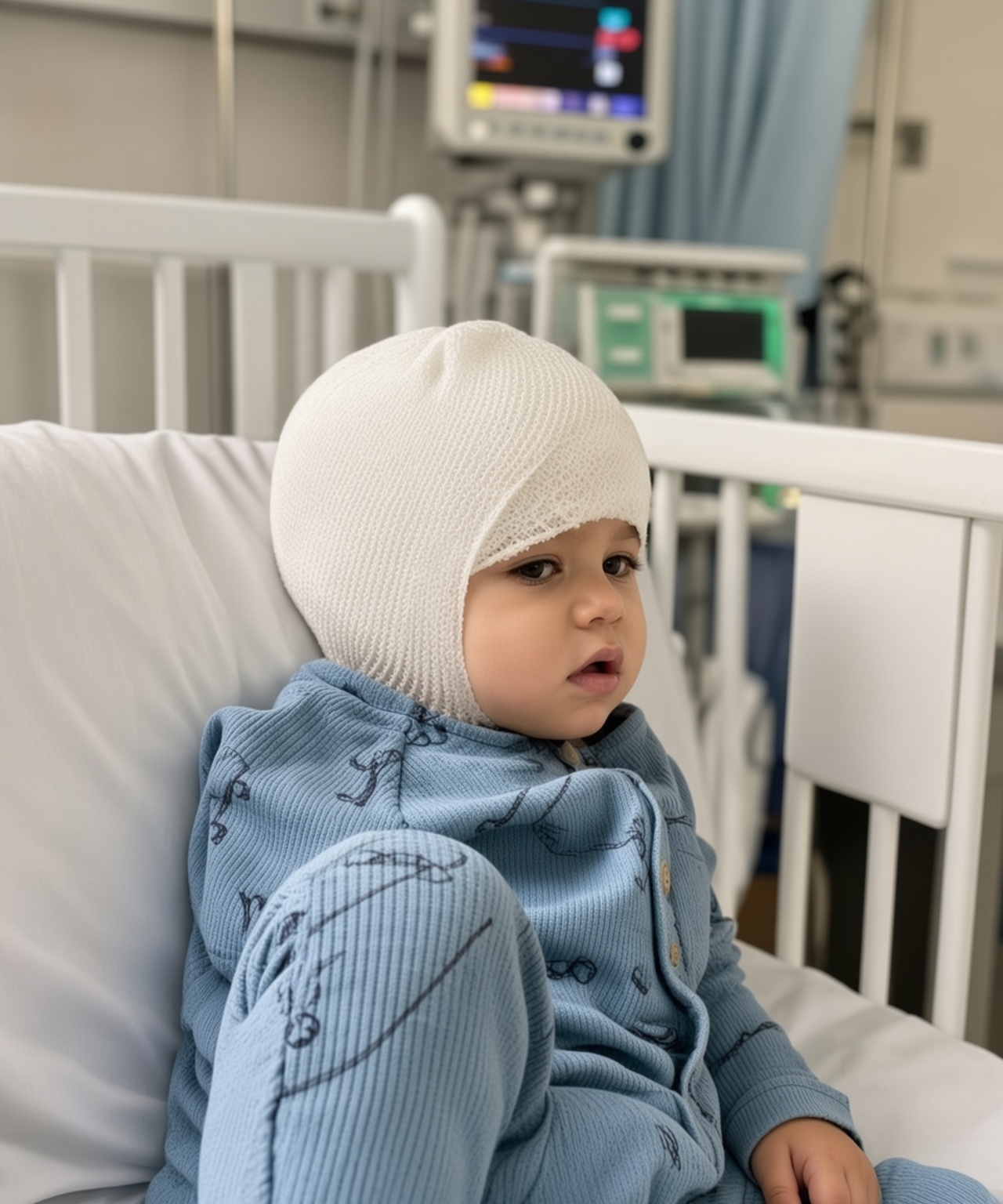
The first signs were so subtle that they almost seemed like innocent newborn quirks. Benjamin would unexpectedly drift into a deep sleep in the middle of active, awake moments, dropping off without warning during playtime. During routine feedings, his tiny face would suddenly flush a bright, alarming shade of red, leaving his parents anxious and searching for answers. As he began to crawl and attempt to navigate his environment, his parents noticed he frequently bumped into furniture and surrounding objects, struggling to judge distances that other infants intuitively understood.
At first, the indicators were confusing, creating a painful tension between hopeful rationalization and intuitive fear. Relatives reassured them that every child develops at their own pace, but deep down, Juan and Maria knew that these erratic patterns were not mere developmental phases. That unwavering parental instinct urged them to look beyond reassuring words and seek medical evaluation.

Their persistence eventually led them to specialists who could decode the mysterious symptoms. What started as a series of unexplained, quiet moments rapidly transformed into every parent’s worst fear: a serious underlying diagnosis. Today, the family shares Benjamin’s story to remind parents everywhere to trust their gut instincts above all else. When it comes to a child’s health, early observation and courageous advocacy can make all the difference between a missed signal and a lifesaving intervention.