GEORGIA HUSBAND ACCUSED OF KILLING HIS WIFE — INVESTIGATION EXPANDS AFTER ALLEGED ATTEMPT TO HIDE HER REMAINS
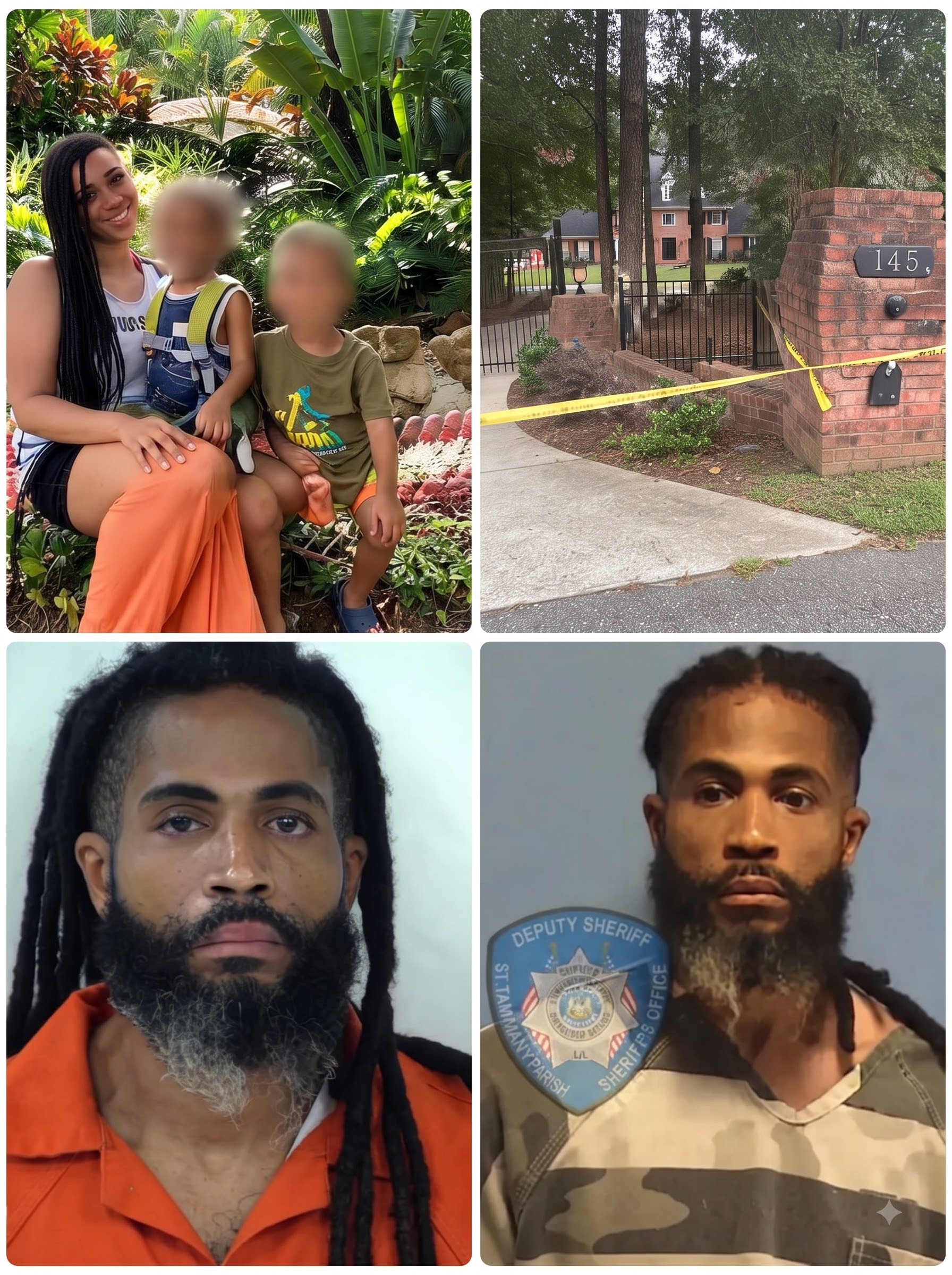
GEORGIA HUSBAND ACCUSED OF KILLING HIS WIFE — INVESTIGATION EXPANDS AFTER ALLEGED ATTEMPT TO HIDE HER REMAINS
A quiet Georgia home has become the center of a disturbing criminal investigation after authorities accused a husband of killing his wife and allegedly attempting to cover up what happened before fleeing across state lines.
What investigators are now trying to uncover is not just how a woman lost her life — but what happened in the moments, hours, and days after her death.
The case has raised a series of haunting questions:
What happened behind the walls of that home?
Why did the investigation lead authorities beyond Georgia’s borders?
And what evidence could reveal the truth?
According to allegations in the case, the victim’s death was followed by an effort to conceal her remains. Investigators believe the suspect allegedly left Georgia afterward, transforming what began as a local investigation into a wider search for answers.
Authorities were suddenly faced with a complex challenge: reconstructing a timeline, locating evidence, and determining exactly what happened before and after the alleged crime.
The most disturbing allegation to emerge from the investigation is that the victim’s body was allegedly burned — an accusation that, if proven in court, could indicate an attempt to destroy evidence and prevent investigators from discovering the full truth.
But investigators must still prove their case.
An accusation is not a conviction, and every allegation must be tested through the legal process.
For the victim’s family, however, the courtroom process cannot change the reality they are facing.
A loved one is gone.
A family is left searching for answers.
And questions remain about what truly happened inside the home they may have once considered safe.
A CASE BUILT ON CLUES
In investigations involving spouses or intimate partners, authorities often face the difficult task of rebuilding a story from small pieces of evidence.
A phone record.
A text message.
A surveillance video.
A financial transaction.
A vehicle movement.
A digital location history.
A witness statement.
Each detail can become a critical part of the timeline.
Investigators must examine not only the events leading up to the victim’s death but also what happened afterward — where the suspect went, what actions were taken, and whether those actions suggest an attempt to hide the truth.
When a suspect allegedly crosses state lines following a suspected crime, the investigation can quickly expand.
Multiple agencies may become involved.
Different jurisdictions may need to work together.
Every location connected to the victim and suspect may hold important evidence.
A FAMILY WAITING FOR JUSTICE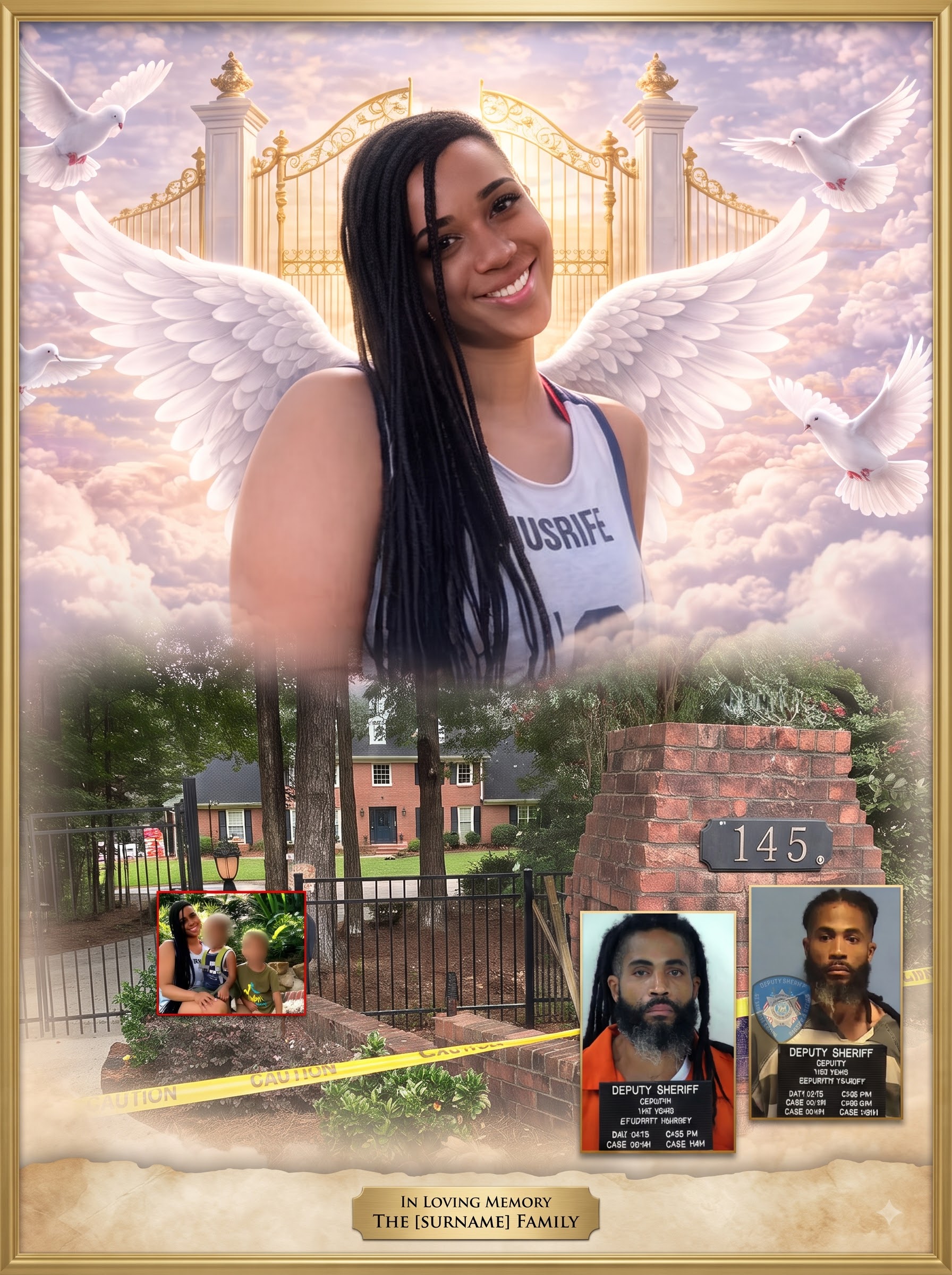
Behind every criminal investigation is a human tragedy.
For the victim’s loved ones, this case is not simply about headlines, accusations, or courtroom arguments.
It is about a woman whose life was taken away.
It is about memories that can never be replaced.
It is about a family searching for a reason why someone they loved is no longer coming home.
While investigators continue gathering evidence, the questions surrounding the case remain painful and unanswered.
Was the alleged crime planned?
Was there a motive hidden beneath the surface?
Did the actions afterward represent an attempt to cover up what happened?
Or will the evidence reveal a different sequence of events?
THE TRUTH WILL COME THROUGH THE EVIDENCE
As the investigation continues, every new discovery could reshape the understanding of what happened.
Authorities must determine:
- How the victim died.
- What happened to her remains.
- Where the suspect traveled.
- What evidence connects the accused to the allegations.
- Whether the facts support the charges prosecutors may bring.
For now, one thing remains clear:
A family is waiting.
Investigators are searching.
And the truth depends on the evidence.
The case serves as another reminder that behind every investigation is not just a legal battle — but a life lost, unanswered questions, and a community demanding justice.
The investigation continues. The evidence will ultimately tell the story.