“I CAN’T DO THIS” — LINDSAY CLANCY BREAKS DOWN AS HER DAUGHTER’S AUTOPSY IS DESCRIBED IN COURT
- LongVo
- August 13, 2026
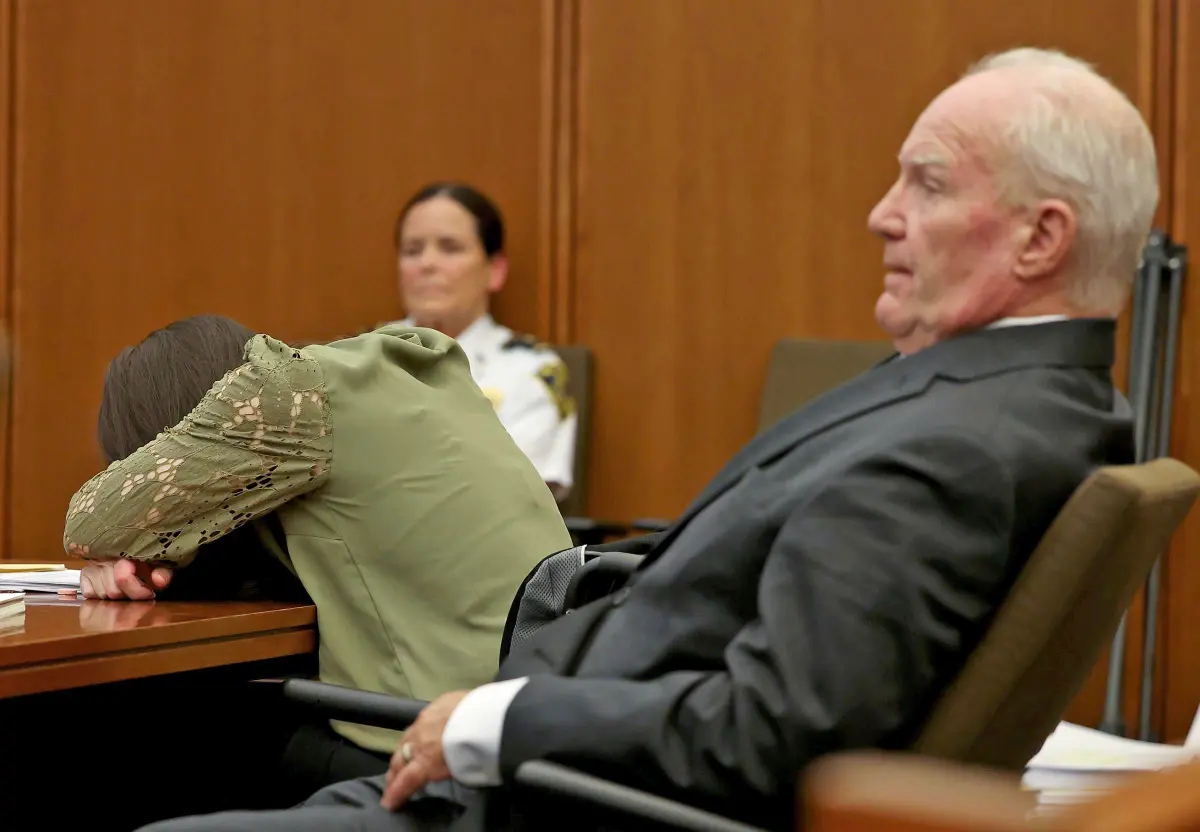
“I CAN’T DO THIS” — LINDSAY CLANCY BREAKS DOWN AS HER DAUGHTER’S AUTOPSY IS DESCRIBED IN COURT
The courtroom became intensely emotional Wednesday as testimony turned toward the final moments of 5-year-old Cora Clancy.
Lindsay Clancy began sobbing as medical examiners described the injuries documented during Cora’s autopsy.
At one point, overwhelmed by the testimony, Clancy cried:
“I can’t do this.”
The judge called multiple recesses as she struggled to compose herself.
The testimony was among the most difficult moments of a trial that has already exposed deeply disturbing details surrounding the deaths of Clancy’s three children.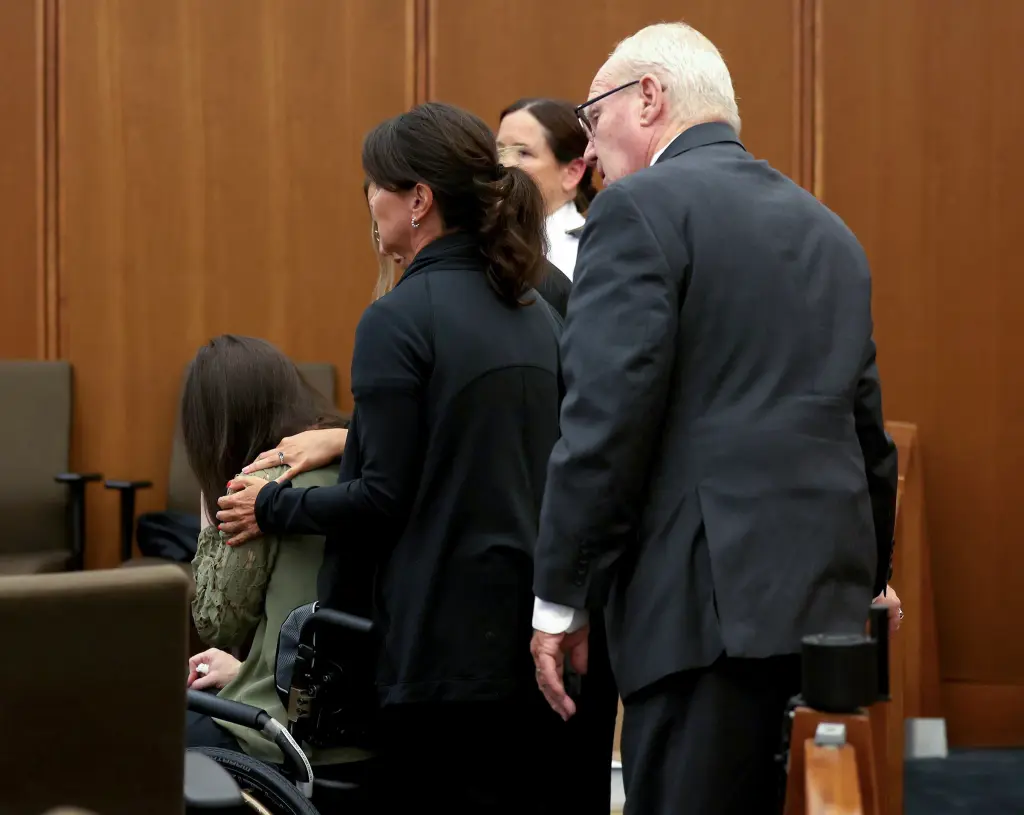
Cora was 5.
Dawson was 3.
Callan was only 8 months old.
All three children died in January 2023.
Now, more than three years later, the courtroom is being forced to revisit their final moments through forensic evidence.
Medical examiners testified about the injuries found during the children’s examinations, including findings consistent with asphyxia and strangulation.
As the testimony continued, Clancy became visibly distressed.
Her crying became so intense that proceedings had to be stopped.
The jury was removed from the courtroom while the judge addressed the situation.
Eventually, the jurors returned and were reminded that their decision must be based on the evidence rather than emotion.
That instruction may be one of the most important moments of the trial.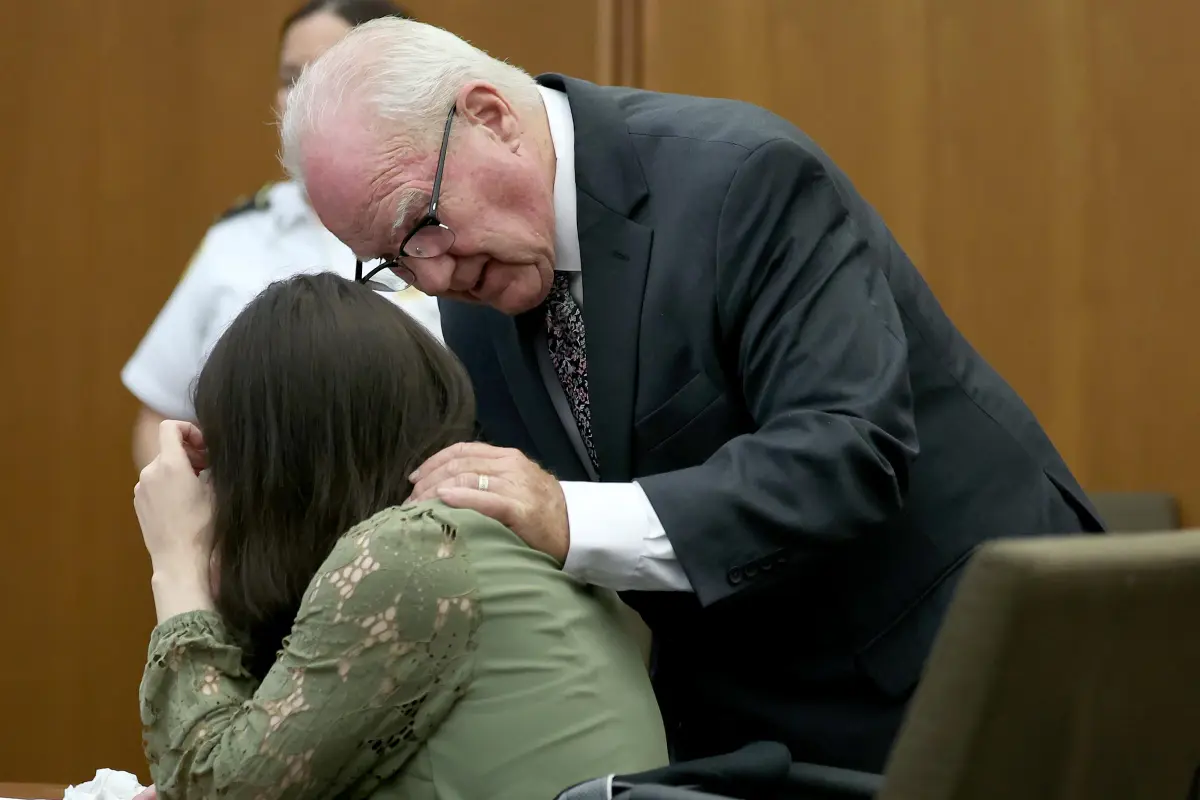
Because this case is filled with emotion.
A mother.
Three children.
A family shattered.
And a courtroom being asked to determine what happened and why.
The prosecution argues that Clancy should be held criminally responsible for the deaths.
The defense has taken a very different position.
Her attorneys argue that she was suffering from a severe mental-health crisis, including postpartum psychosis and other psychiatric problems, and that her condition affected her ability to understand or control her actions.
That makes Clancy’s mental state one of the central issues in the trial.
But Wednesday’s testimony shifted the focus directly back to the children.
Their injuries.
Their deaths.
And the medical evidence left behind.
For Clancy, hearing those details about her own daughter appeared almost unbearable.
She cried.
She struggled to listen.
And eventually, she could no longer contain her emotions.
But the trial must continue.
The jury must eventually consider the evidence presented by both sides.
They must determine what happened inside that Massachusetts home.
They must consider the prosecution’s arguments.
They must consider the defense’s explanation of Clancy’s mental state.
And ultimately, they must reach a verdict based on the evidence presented in court.
Outside the courtroom, the tragedy is impossible to separate from the legal arguments.
Three young lives were lost.
Three children who should have been growing up together are gone.
And a family has been living with the consequences ever since.
As testimony continues, the case is revealing more about the events surrounding that terrible day.
But perhaps the most haunting question remains:
Could anyone have recognized just how serious Lindsay Clancy’s mental-health crisis had become before tragedy struck?
And as the jury listens to the evidence, another question will eventually have to be answered:
Was this a case of criminal responsibility, or a devastating mental-health crisis that spiraled beyond control?
The courtroom will ultimately decide.
But for everyone involved, the pain behind the evidence is already impossible to ignore.