BREAKING: LINDSAY CLANCY BREAKS DOWN IN COURT — “I CAN’T DO THIS” AS EMOTIONAL TESTIMONY STOPS THE TRIAL
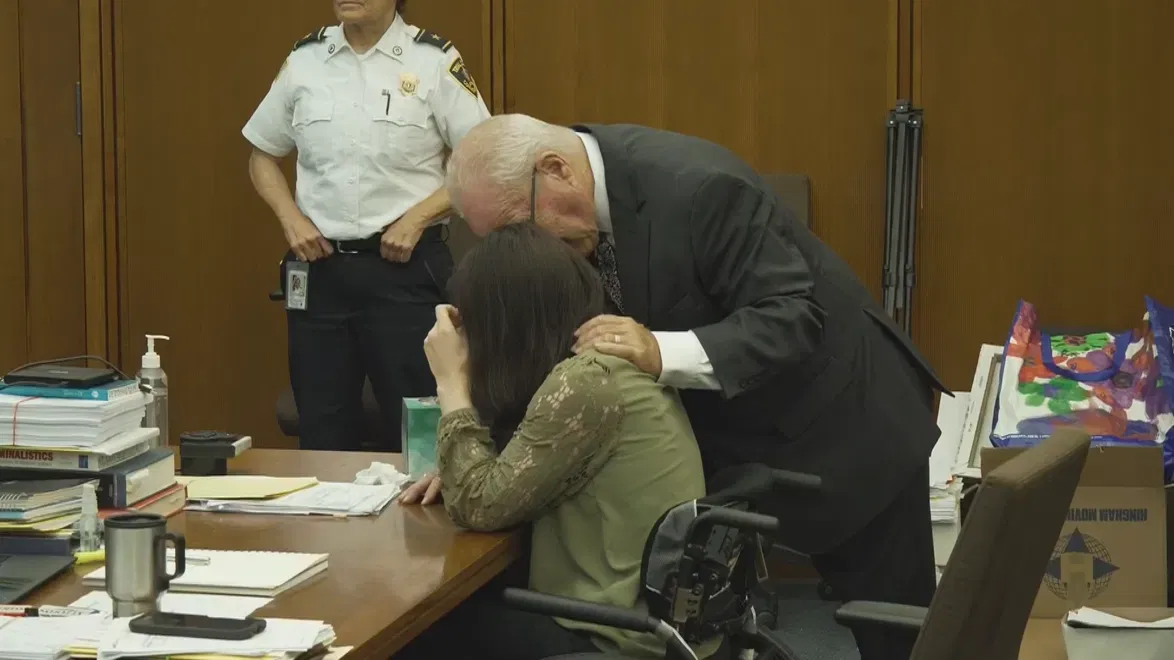
BREAKING: LINDSAY CLANCY BREAKS DOWN IN COURT — “I CAN’T DO THIS” AS EMOTIONAL TESTIMONY STOPS THE TRIAL
The courtroom fell silent.
Then Lindsay Clancy began to sob.
As medical examiners testified about the autopsies of her children, Clancy became visibly overwhelmed and cried, “I can’t do this.” The judge immediately called a recess and temporarily removed the jury from the courtroom.
The emotional moment came during testimony concerning Clancy’s 5-year-old daughter, Cora, and 3-year-old son, Dawson.
Jurors were shown autopsy photographs and heard medical testimony describing the children’s injuries. The testimony was so difficult that even some jurors became emotional.
Clancy reportedly lowered her head onto the defense table, struggled to compose herself and continued crying as the proceedings were interrupted.
But this was only one part of a trial that has raised enormous questions about what happened inside the family’s Duxbury home in January 2023.
THE QUESTION AT THE CENTER OF THE TRIAL
Clancy does not dispute that she killed her three children.
Her defense is focused on why it happened.
Her attorneys argue that she was suffering from severe postpartum psychosis and was not criminally responsible for her actions.
Prosecutors have presented a different picture, arguing that the evidence supports criminal responsibility.
That leaves jurors facing one of the most difficult questions imaginable:
Was Clancy experiencing a devastating mental-health crisis that fundamentally affected her ability to understand her actions — or was she legally responsible for what she did?
NEW DETAILS ABOUT HER MENTAL HEALTH
Earlier testimony has revealed that Clancy sought help for troubling thoughts in the weeks before the deaths.
A counselor testified that Clancy had experienced suicidal thoughts and contacted a crisis hotline twice in December 2022. She later received additional psychiatric treatment, including a five-day stay at McLean Hospital beginning January 1, 2023.
The defense has emphasized these events as evidence of a rapidly deteriorating mental state.
The prosecution, however, is challenging the defense’s interpretation of those circumstances.
And that disagreement could become critical when the jury eventually weighs the competing arguments.
THEN CAME THE AUTOPSY TESTIMONY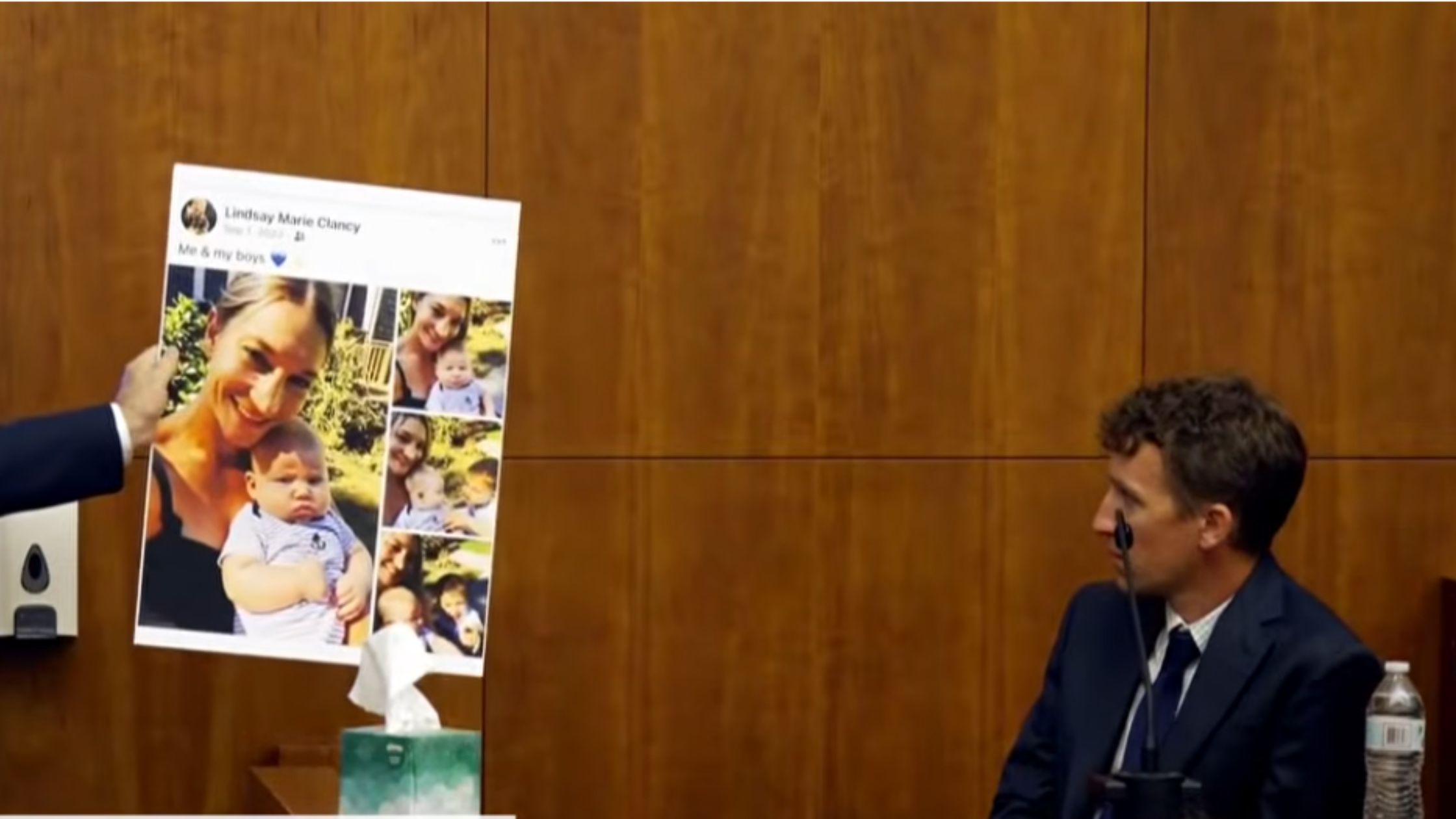
The courtroom atmosphere changed dramatically when medical examiners began describing the children’s deaths.
Dr. Barbara Olson testified that Cora died from asphyxiation and also discussed the medical findings from Dawson’s autopsy.
As the testimony continued, Clancy became increasingly distressed.
Then she broke down.
“I CAN’T DO THIS.”
The judge stopped the proceedings.
The jury was sent out.
And for a moment, the entire courtroom was focused not on the lawyers or the evidence — but on a mother struggling to listen to testimony about her children.
BUT THE TRIAL IS NOT OVER
The proceedings resumed Thursday following Wednesday’s emotional testimony.
More evidence and testimony are expected as prosecutors continue presenting their case.
And the closer the trial moves toward its conclusion, the more closely jurors will have to examine the evidence surrounding Clancy’s mental state, her actions and the circumstances leading up to the deaths.
This case is no longer simply about what happened that terrible night.
It is about whether the evidence can establish criminal responsibility beyond a reasonable doubt.
For now, one haunting moment continues to echo from the courtroom:
“I can’t do this.”
And as the trial moves forward, the question everyone is waiting to see answered is:
What will the jury ultimately decide?