MARION BOWMAN EXECUTED — BUT QUESTIONS OVER WITHHELD EVIDENCE STILL HAUNT THE CASE
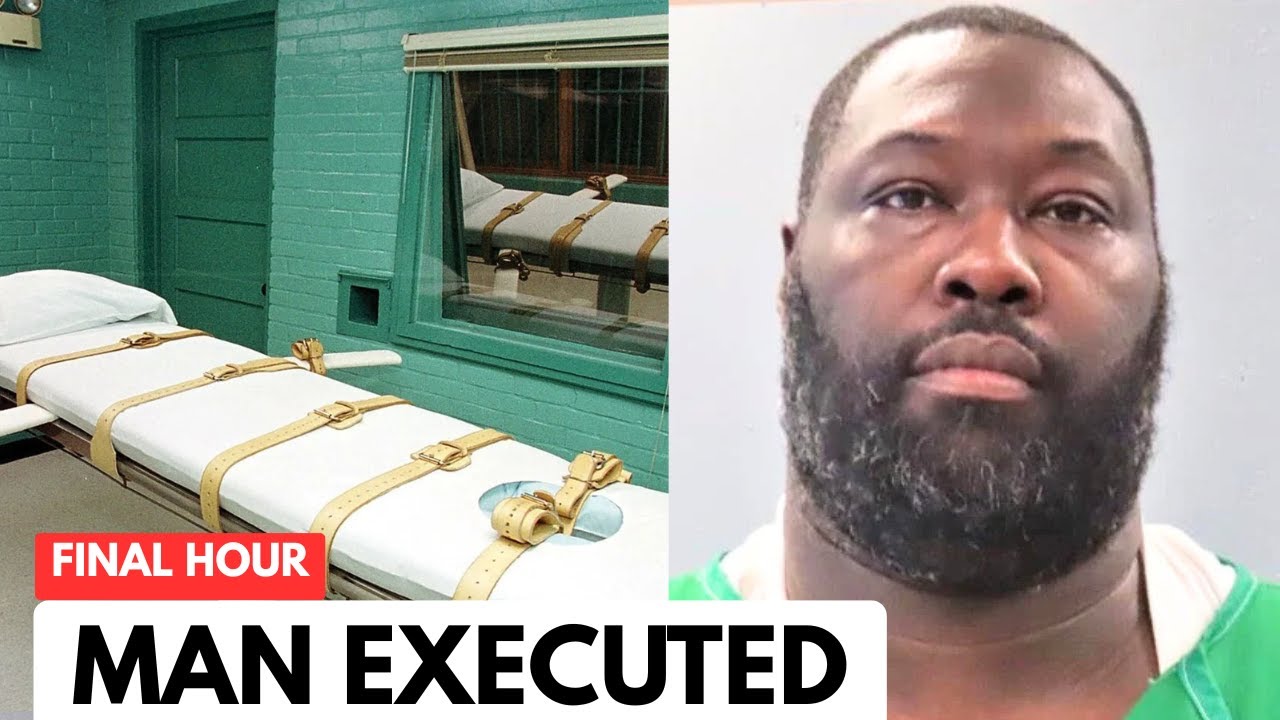
MARION BOWMAN EXECUTED — BUT QUESTIONS OVER WITHHELD EVIDENCE STILL HAUNT THE CASE
Marion Bowman spent more than two decades on death row.
Until the very end, he maintained that he was innocent of killing Kandee Martin, the woman whose 2001 death led to his conviction and death sentence. On January 31, 2025, South Carolina carried out his execution by lethal injection.
But even after his death, one question continues to surround the case:
What if the jury had heard all of the evidence?
Bowman’s attorneys argued that prosecutors failed to disclose potentially important information that could have affected how jurors evaluated key witnesses.
Among the disputed material were allegations involving a witness’s psychological problems, a possible confession and criminal matters involving another witness.
His legal team argued that this information could have significantly weakened the prosecution’s case.
And that raises a chilling possibility:
Could the verdict have been different if the jury had known everything?
A CASE BUILT AROUND WITNESS TESTIMONY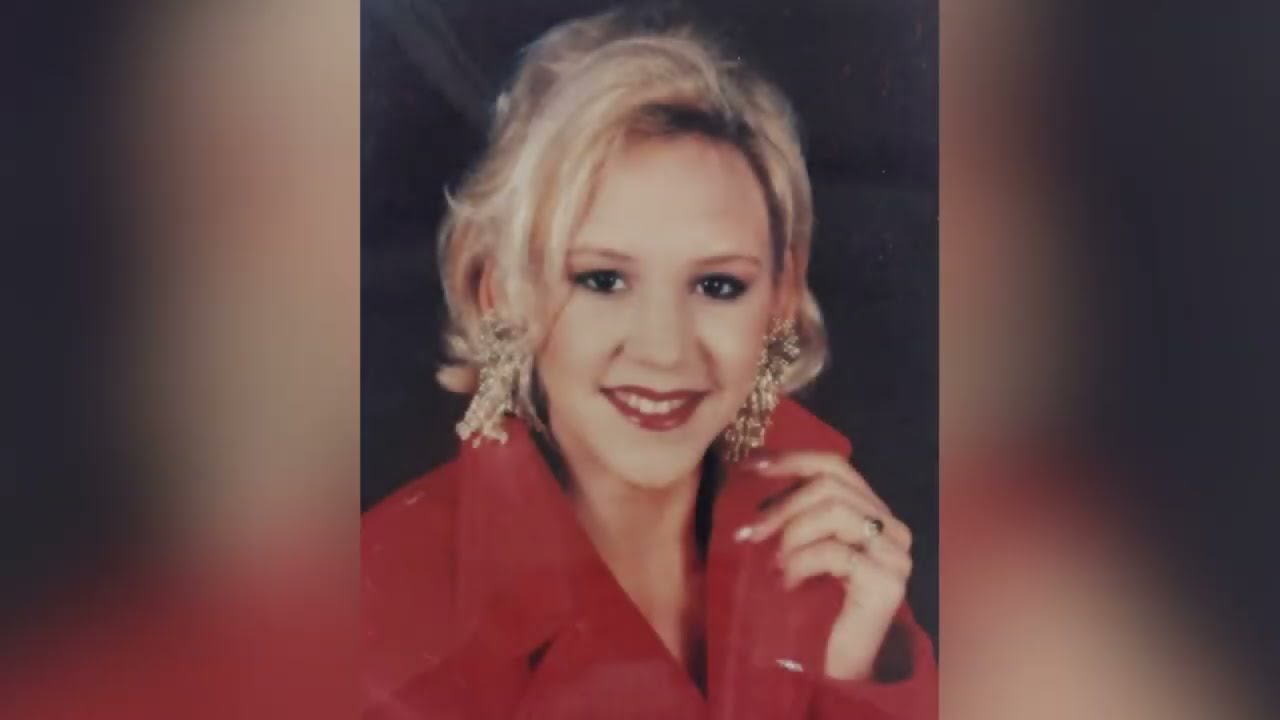
Bowman was convicted in connection with the killing of Kandee Martin, whose body was found inside a burned vehicle.
The prosecution relied heavily on testimony from people connected to the case.
Bowman’s defense challenged the reliability of those witnesses, arguing that some had incentives to cooperate with authorities because of their own legal troubles.
Years later, his attorneys returned to those issues, arguing that evidence favorable to the defense had not been properly disclosed.
They also raised concerns about the performance of his trial lawyers and alleged racial bias.
Bowman continued to deny that he committed the murder.
THE COURTS DID NOT STOP THE EXECUTION
Despite the renewed legal challenges, the courts ultimately rejected Bowman’s appeals.
The legal question was not simply whether undisclosed evidence existed.
The critical question was whether that evidence was significant enough to undermine confidence in the conviction.
The courts ultimately determined that it was not sufficient to overturn the conviction or stop the execution.
And once those final decisions were made, the clock continued toward January 31.
MORE THAN 20 YEARS ON DEATH ROW
Bowman was only 20 years old when he was arrested.
He ultimately spent more than half of his life behind bars.
During his years on death row, supporters described him as someone who had changed dramatically from the young man who entered prison.
Former prison staff and nurses provided statements describing him as helpful to other inmates, particularly those struggling with mental-health issues.
But none of that changed the sentence.
The state still considered the conviction final.
THEN CAME HIS FINAL DAY
On January 31, 2025, Bowman was taken to the execution chamber.
He chose lethal injection rather than electrocution or a firing squad.
Before his death, he continued to maintain his innocence.
He expressed sympathy for Martin’s family but insisted that he had not killed her.
Then the state carried out the sentence.
Bowman was pronounced dead that evening.
BUT THE CONTROVERSY DIDN’T END WITH HIS DEATH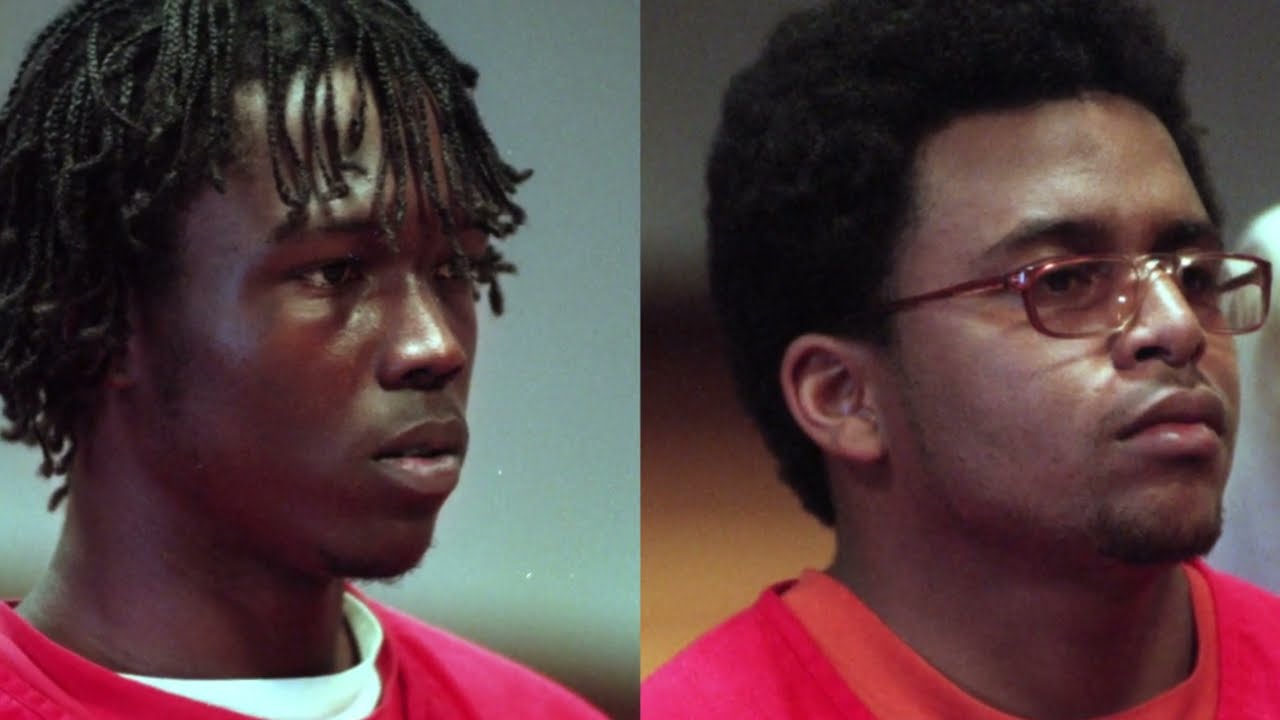
The execution closed one chapter of the case.
It did not erase the questions surrounding it.
The dispute over withheld evidence became part of a much larger debate about whether defendants facing the death penalty receive every piece of information that could potentially affect a jury’s decision.
And because Bowman was executed, there can never be another jury sitting down to reconsider the disputed evidence.
There can be no new trial.
No opportunity to hear the witnesses again.
No possibility of asking a new jury what it would have decided with the additional information.
That is what makes the controversy so difficult to resolve.
ONE QUESTION REMAINS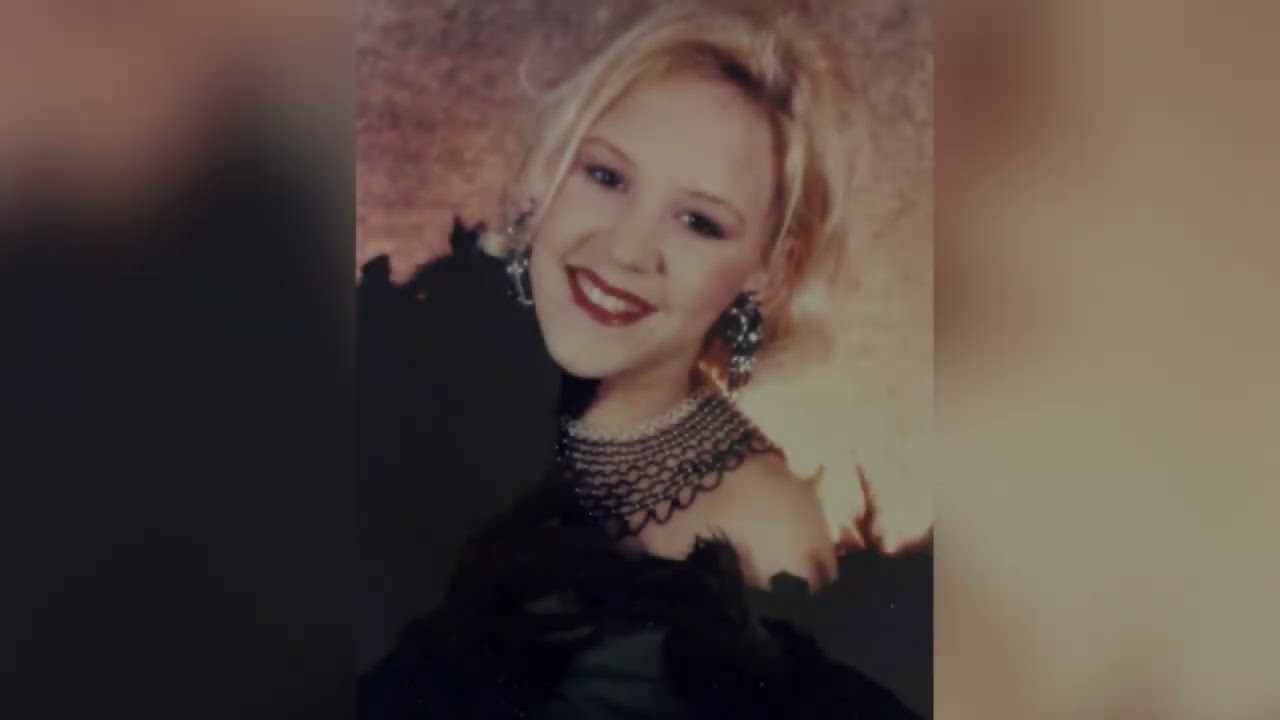
The courts ultimately determined that the disputed evidence did not justify overturning Bowman’s conviction.
But Bowman and his attorneys never stopped arguing that his trial had not presented the complete picture.
And now, with Bowman gone, the question becomes almost impossible to answer with certainty:
If the jury had heard everything his lawyers said should have been disclosed, would the verdict have changed?
Maybe the answer would have been no.
Maybe the evidence against him would still have been enough.
But there is no longer any way to put that question to a jury.
The execution is over.
The conviction remains.
And the unanswered questions surrounding the evidence remain part of Marion Bowman’s story.