KAYLE BATES EXECUTED AFTER 43-YEAR LEGAL BATTLE — HIS FINAL ANSWER WAS JUST ONE WORD: “NO”
KAYLE BATES EXECUTED AFTER 43-YEAR LEGAL BATTLE — HIS FINAL ANSWER WAS JUST ONE WORD: “NO”
After more than four decades of legal battles, appeals and uncertainty, Kayle Bates’ case finally reached its irreversible ending.
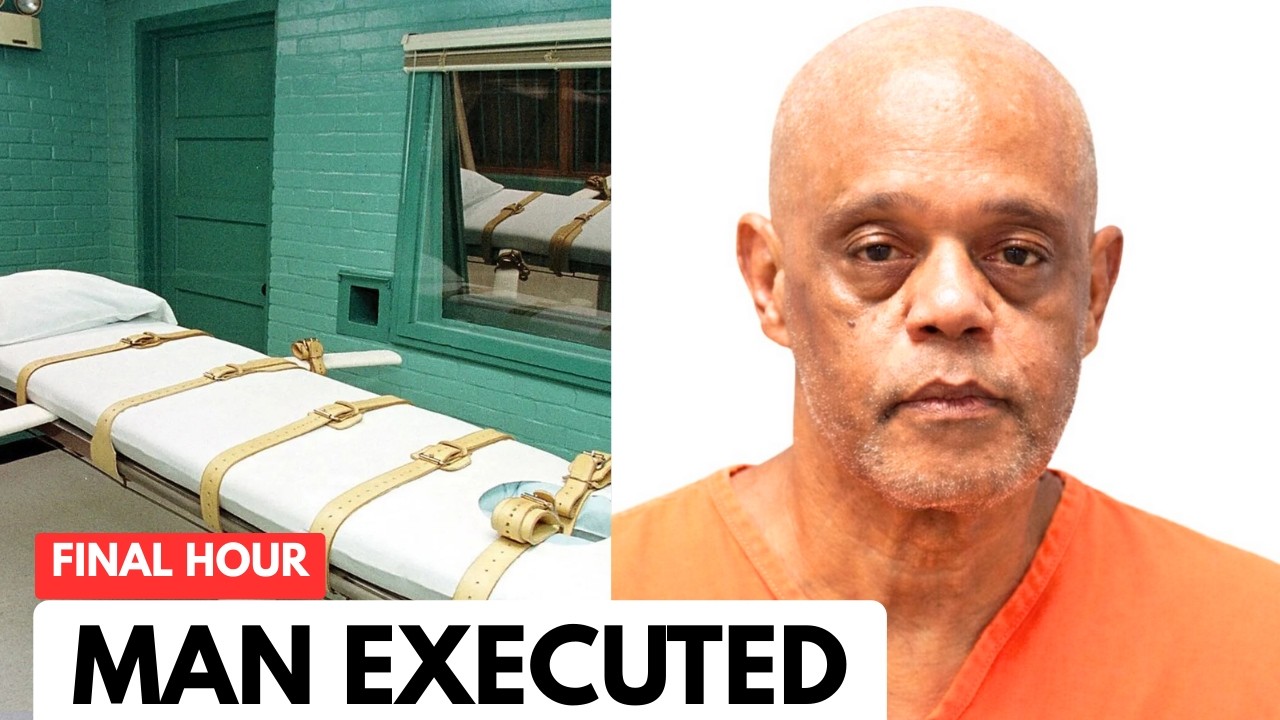
On August 19, 2025, the 67-year-old Florida death-row inmate was executed by lethal injection at Florida State Prison. He was pronounced dead at 6:17 p.m., more than 43 years after the crime that put him on death row.
But the moment that may stay with people the longest came just before the execution began.
Bates was asked whether he wanted to make a final statement.
His answer?
“No.”
And then the procedure began.
43 YEARS. COUNTLESS APPEALS. ONE FINAL MOMENT.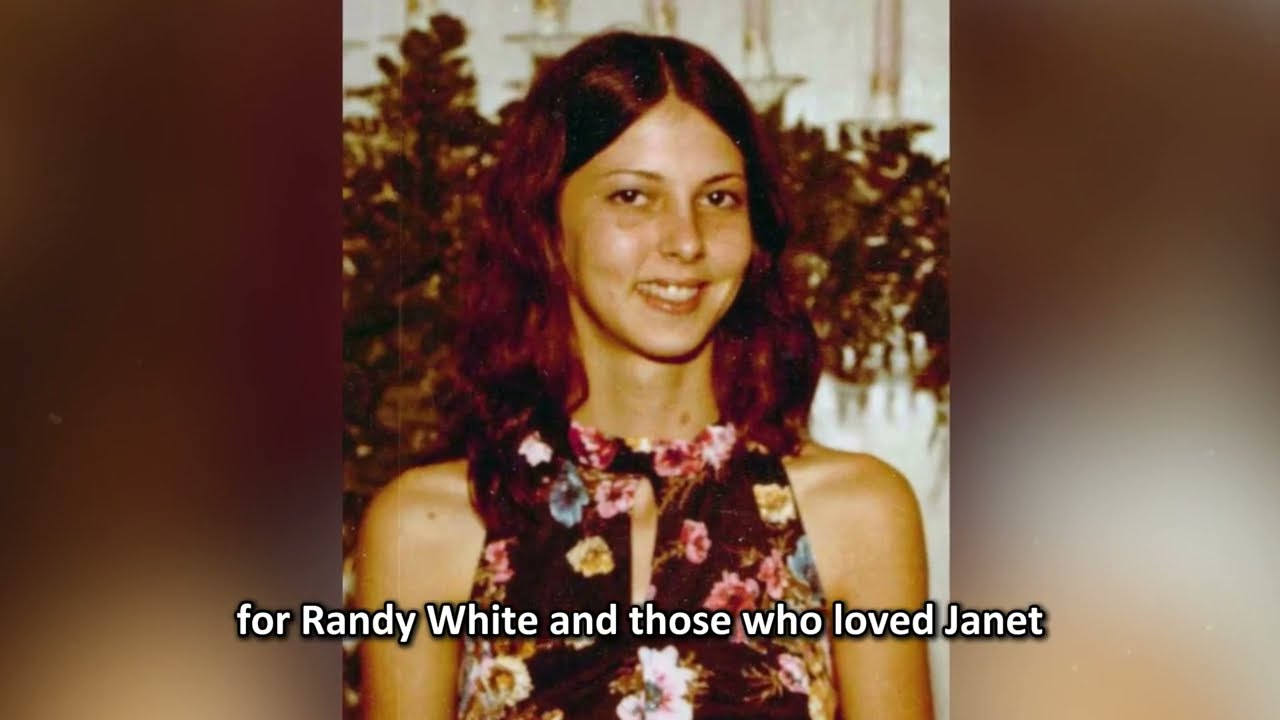
Bates was convicted in connection with the June 14, 1982 killing of 24-year-old Janet Renee White in Bay County, Florida.
According to the prosecution’s case, White was abducted from the State Farm insurance office where she worked. Bates was convicted of first-degree murder, kidnapping, armed robbery and attempted sexual battery.
His case, however, did not simply disappear into the history books.
For more than four decades, his attorneys continued challenging aspects of his conviction and death sentence.
His first death sentence was eventually overturned because of ineffective assistance of counsel during the penalty phase, leading to another sentencing proceeding.
He was sentenced to death again.
And again, the appeals continued.
QUESTIONS THAT FOLLOWED HIM TO THE END
Bates’ lawyers raised multiple arguments over the years.
They challenged the fairness of his sentencing, the effectiveness of his attorneys and issues surrounding the jury that recommended the death penalty.
His legal team also argued that evidence concerning possible organic brain damage had not been adequately considered.
Another major argument concerned DNA testing and whether additional testing could provide greater certainty in the case.
Those challenges ultimately failed.
The courts declined to stop the execution.
THEN THE FINAL DAY ARRIVED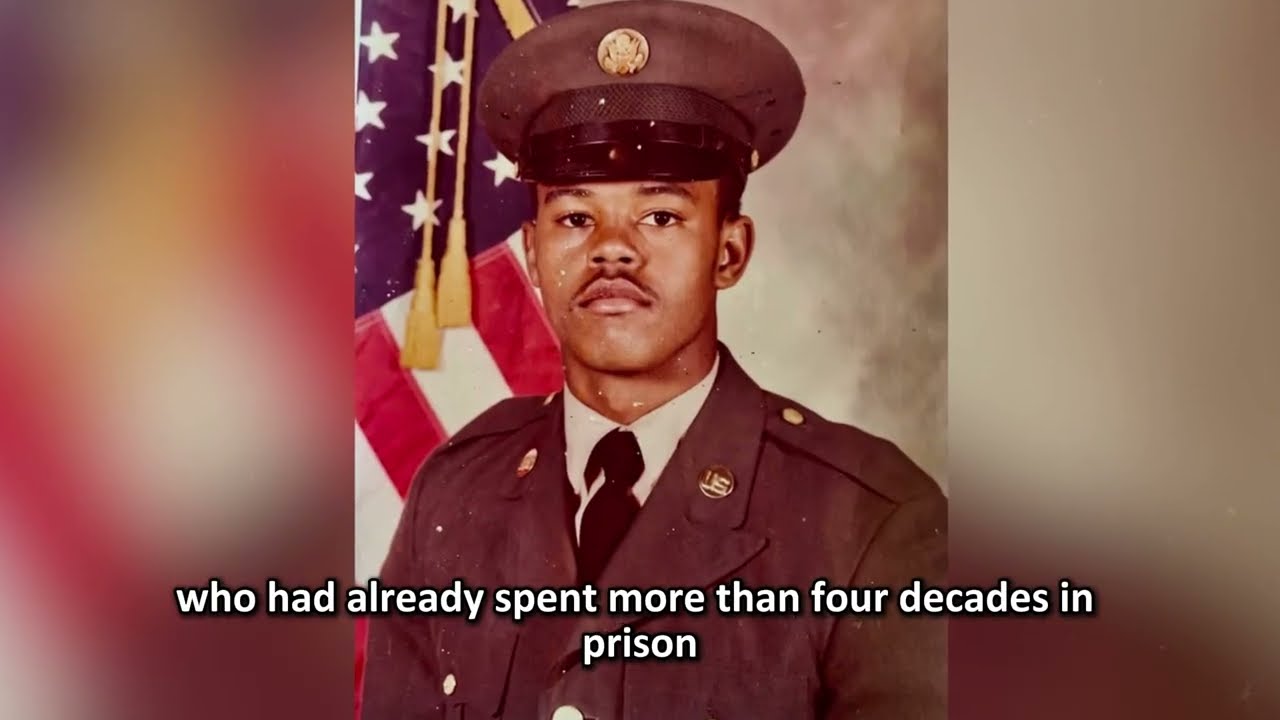
On August 19, the execution chamber was prepared.
Bates was secured to the gurney.
The curtain opened.
The procedure began shortly after 6 p.m.
At approximately 6:17 p.m., he was pronounced dead.
The man who had spent more than 40 years fighting his sentence was gone.
But outside the prison, the case remained deeply emotional.
Janet White’s husband, Randy White, witnessed the execution.
Afterward, he spoke about the long road to justice and thanked those who had worked on the case.
BUT WHY DID IT TAKE 43 YEARS?
That may be one of the most striking parts of the story.
Bates was arrested and convicted decades ago, yet his execution did not happen until 2025.
During those years, courts repeatedly examined his case.
His attorneys filed appeals.
Death sentences were reconsidered.
Legal standards changed.
New arguments emerged.
And every time the execution date came closer, another legal battle could potentially delay the process.
That is one of the defining features of capital cases: the punishment is irreversible, so courts can spend years examining whether the conviction and sentence meet constitutional requirements.
HIS LAST WORDS WERE NOT A SPEECH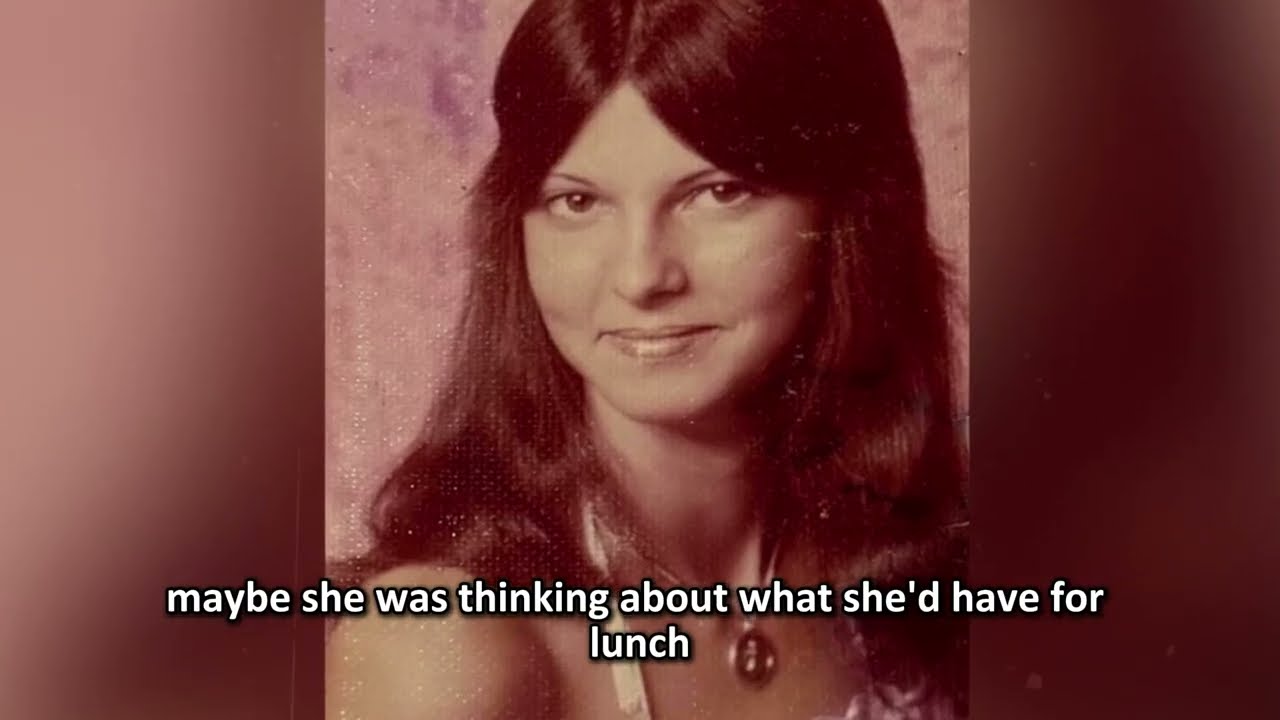
There was no lengthy final statement.
No dramatic explanation.
No final argument.
When asked if he wanted to speak, Bates simply said:
“No.”
Moments later, the execution began.
That single word became the final public statement from a man whose legal battle had lasted longer than many people involved in the original case had been alive.
FOUR DECADES OF QUESTIONS — ONE IRREVERSIBLE END
Supporters of the execution viewed it as the final chapter in a case that had remained unresolved for decades.
Bates’ attorneys, meanwhile, had continued arguing that serious legal questions remained.
The courts ultimately rejected those efforts.
And now there is no possibility of another appeal changing his fate.
The legal battle is over.
The execution has been carried out.
But the story leaves behind a difficult question about America’s death penalty system:
When a case remains in court for more than 40 years, how much uncertainty can a system tolerate before carrying out an irreversible punishment?
For Kayle Bates, that question was still being debated right up until the end.
Then came one final question from the execution chamber.
Did he want to say anything?
His answer was only:
“No.”