FORMER CAMBRIDGE PROFESSOR JASON ARDAY FOUND DE@D DAYS AFTER RESIGNING AMID PLAGIARISM ROW
FORMER CAMBRIDGE PROFESSOR JASON ARDAY FOUND DEAD DAYS AFTER RESIGNING AMID PLAGIARISM ROW
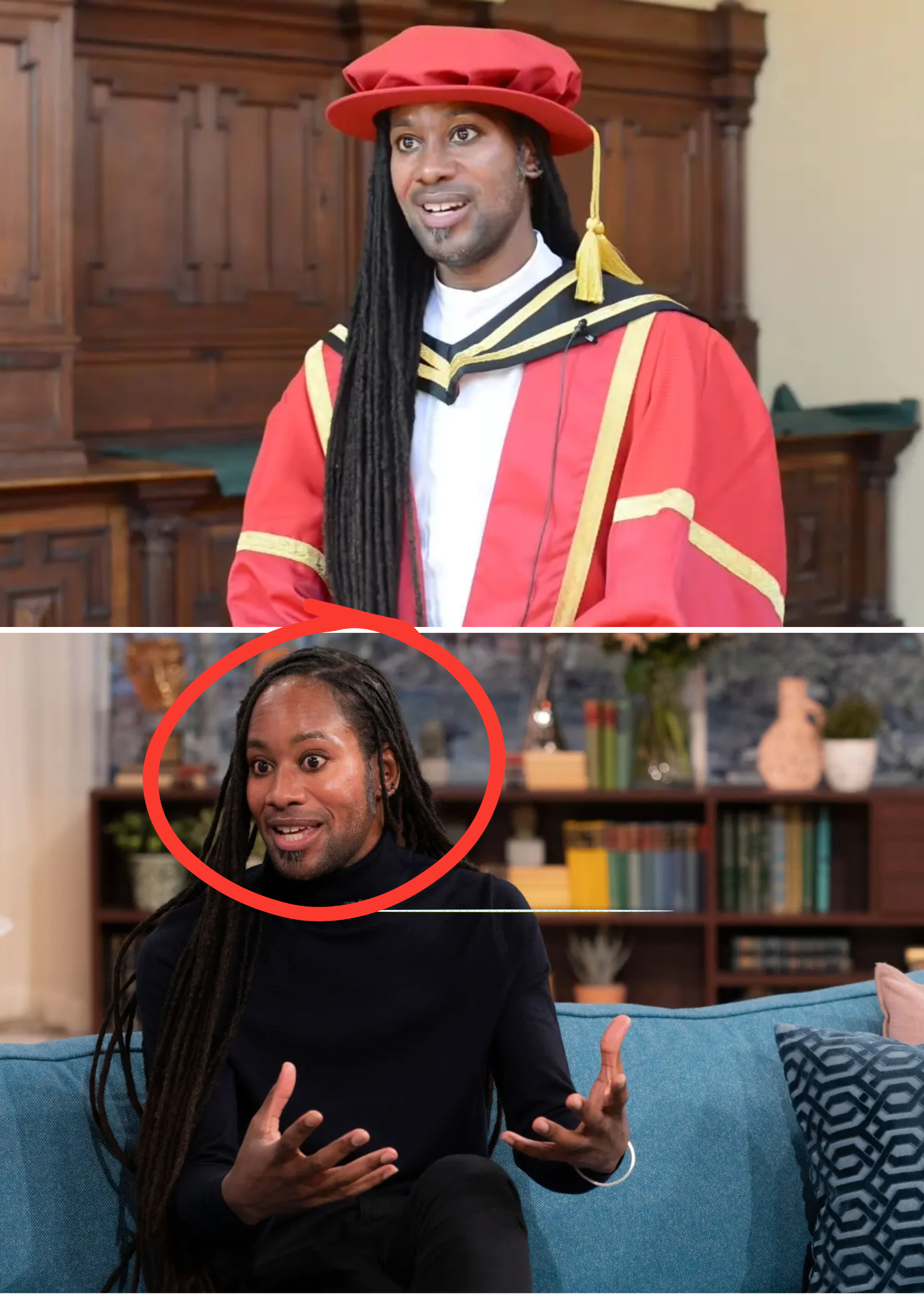
Jason Arday, the former University of Cambridge professor who recently resigned amid allegations concerning plagiarism and his academic record, has been found dead at his home in south London at the age of 41. Police say the death is being treated as unexpected but is not currently believed to be suspicious.
 A SHOCKING TURN AFTER A HIGH-PROFILE CONTROVERSY
Arday had resigned from Cambridge on August 5, after intense scrutiny surrounding allegations about his academic work and professional history.
Cambridge had also announced an investigation into circumstances surrounding his appointment and his time at the university.
Just over a week later, he was found unresponsive at a property in Battersea, south London.
Emergency services pronounced him dead at the scene.
The Metropolitan Police said there were no current indications that his death was suspicious, with a report being prepared for the coroner.
 THE ALLEGATIONS THAT PUT HIM UNDER SCRUTINY
Arday, who became Cambridge’s youngest Black professor in 2023, faced allegations that more than 100 passages in his 2015 doctoral thesis were copied from another scholar’s work.
He denied deliberately plagiarising material and had acknowledged mistakes in his academic work.
Questions were also raised publicly about aspects of his claimed professional and personal history.
Cambridge’s investigation was still ongoing when he resigned.
That means the allegations and questions surrounding his academic record should not be presented as findings of a completed university investigation.
HIS FAMILY SPEAKS OUT
Following his death, Arday’s family described him as a gentle and optimistic man and said they believed he had been subjected to a prolonged campaign of misinformation, abuse and harassment.
They asked the media to leave the family alone and said the pressure had become overwhelming.
Those statements represent the family’s view of what Arday experienced.
They do not establish a cause of death.
CAMBRIDGE REACTS
Cambridge Vice-Chancellor Professor Deborah Prentice expressed deep sadness over Arday’s death and offered condolences to his family and friends.
The university had previously supported Arday while the controversy developed before announcing its investigation.
A CASE NOW SURROUNDED BY UNANSWERED QUESTIONS
Arday’s death comes at a moment when his academic career was already facing extraordinary scrutiny.
But one issue must remain separate from another.
The plagiarism allegations were still allegations.
The university investigation had not reached a publicly announced final conclusion.
His death is currently not being treated as suspicious by police.
The coroner’s process will establish further information about the circumstances of his death.
The timing has inevitably prompted questions, but it would be irresponsible to assume a connection between the controversy and his death without evidence.
THE FINAL QUESTION
Jason Arday’s career had taken him from significant early-life challenges to one of Cambridge’s most prominent academic appointments.
Now, at just 41, his life has ended unexpectedly amid one of the most intense controversies of his professional career.
The investigation into his death and the university’s examination of his academic record are separate processes.
One seeks to establish how he died.
The other was examining questions about his academic career.
Neither should be confused with speculation.
This post summarizes publicly reported information. Allegations concerning plagiarism and Arday’s academic record had not been established as final findings by a completed Cambridge investigation at the time of his death.