LINDSAY CLANCY TRIAL — DAY 13: DIGITAL EVIDENCE TAKES CENTER STAGE
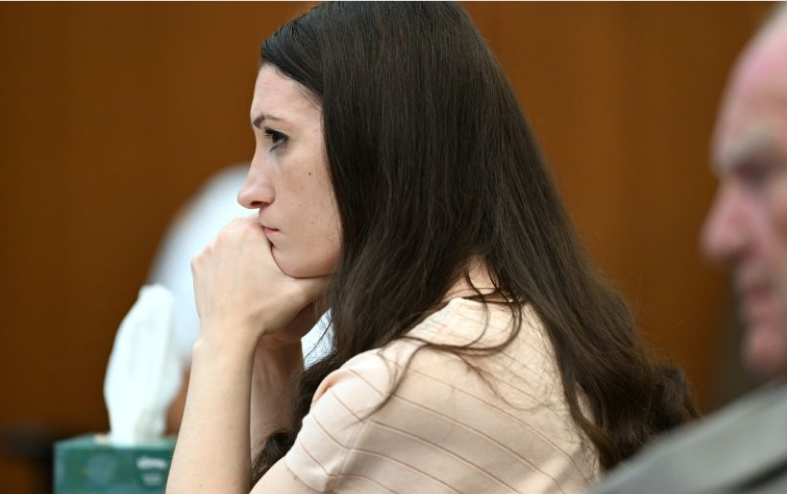
LINDSAY CLANCY TRIAL — DAY 13: DIGITAL EVIDENCE TAKES CENTER STAGE
Day 13 of Lindsay Clancy’s trial focused heavily on her digital footprint, with jurors hearing testimony about internet searches involving suicide, psychosis and psychiatric medications.
But the defense pushed back on some of the prosecution’s most significant digital evidence, arguing that the records may require more context.
WHAT DID THE SEARCH HISTORY SHOW?
Witnesses discussed searches related to:
Suicide methods
Psychosis and hallucinations
Psychiatric medications
Children’s medications
Jurors also heard about personal writings describing Clancy’s struggles with motherhood, depression, sleep and a desire to “feel happy.”
But one important question emerged during cross-examination:
WHO ACTUALLY ACCESSED THE “SUICIDE METHODS” PAGE?
The defense challenged the assumption that the digital record necessarily proves who was responsible for accessing the webpage months before the children’s deaths.
That distinction could become important as jurors weigh the meaning of the digital evidence.
 A MINUTE-BY-MINUTE LOOK AT JANUARY 24
Jurors were also shown activity from the afternoon of January 24, 2023, just hours before Clancy’s three children were found dead.
Her phone records reportedly showed:
Searches involving children’s medication
Calls to CVS
Text messages with Patrick about takeout and their baby’s nap
A search for a restaurant menu
A search for Pedialyte
The timeline is now one of the most closely examined parts of the prosecution’s case.
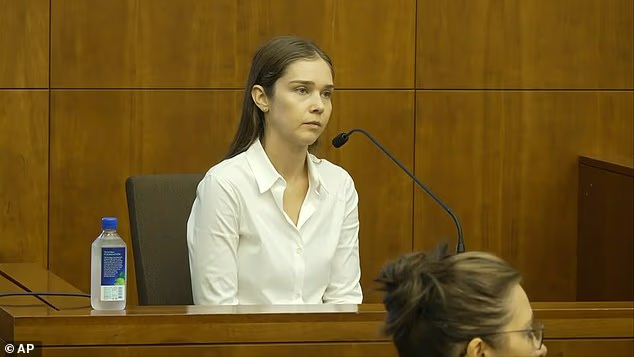 THE SAME EVIDENCE — TWO INTERPRETATIONS
The prosecution may argue that certain searches and digital activity help establish what Clancy was thinking or planning.
The defense, however, is attempting to place that activity within the broader context of her reported psychiatric struggles and daily life as a mother.
That leaves jurors with a difficult task:
What does the digital evidence actually prove?
And just as importantly:
What can it not prove on its own?
THE BIGGER QUESTION
A search history can reveal what was typed into a device.
It does not automatically reveal why someone searched for something, who was using the device, or what that person intended.
Those questions are now being examined in court through testimony, cross-examination and the broader timeline.
How do you think today’s evidence affected the case?