Navigating Infantile Hemangiomas: Understanding the Challenges, Treatments, and the Path to a Smooth Healing Journey
Navigating Infantile Hemangiomas: Understanding the Challenges, Treatments, and the Path to a Smooth Healing Journey
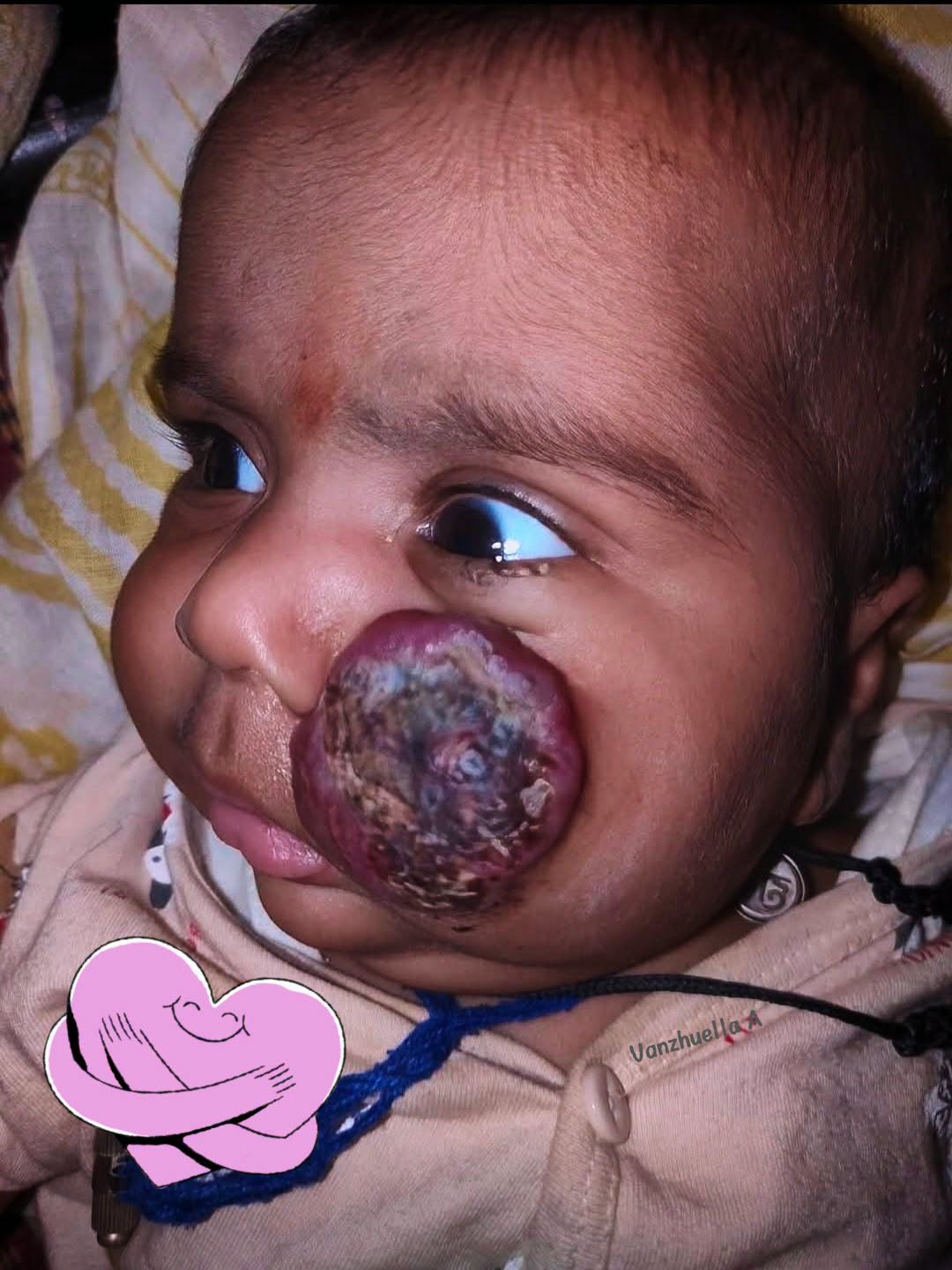
A photograph recently shared online captures a young infant presenting with a large, distinct reddish-purple lump situated on the right cheek. Notably, the central portion of this vascular lesion exhibits an area that appears crusted, irritated, or wounded. This specific presentation frequently points to a condition known medically as an infantile hemangioma—a non-cancerous growth of blood vessels that stands as one of the most common benign tumors observed during early childhood. While these marks are highly variable in appearance and progression, central crusting or ulceration often signals that the sensitive skin over the growth has broken down, requiring careful clinical attention and specialized care.
Infantile hemangiomas typically manifest within the first few weeks after birth, entering a rapid proliferation phase where they grow noticeably in size and intensity of color. For parents and caregivers, managing a prominent facial lesion can be an emotionally overwhelming experience, particularly when the surface begins to ulcerate or crust over. Ulceration not only introduces significant discomfort and pain for the baby, but it also increases the risk of secondary localized infections and potential scarring. Consequently, medical intervention at this stage focuses heavily on managing pain, keeping the wound clean and protected, and implementing targeted therapies to accelerate the natural regression of the lesion.
Fortunately, modern pediatric dermatology and medical science offer highly effective treatment pathways for these vascular growths. Depending on the size, location, and presence of complications like ulceration, specialized physicians often prescribe oral beta-blockers, such as propranolol, which have revolutionized the management of hemangiomas by rapidly slowing growth, lightening the color, and promoting faster healing of wounded areas. In other instances, topical treatments or advanced laser therapies may be utilized to target the blood vessels directly. Ultimately, the primary goal of any intervention is to alleviate the child’s physical discomfort, safeguard vital facial structures, and ensure the skin heals cleanly over time.
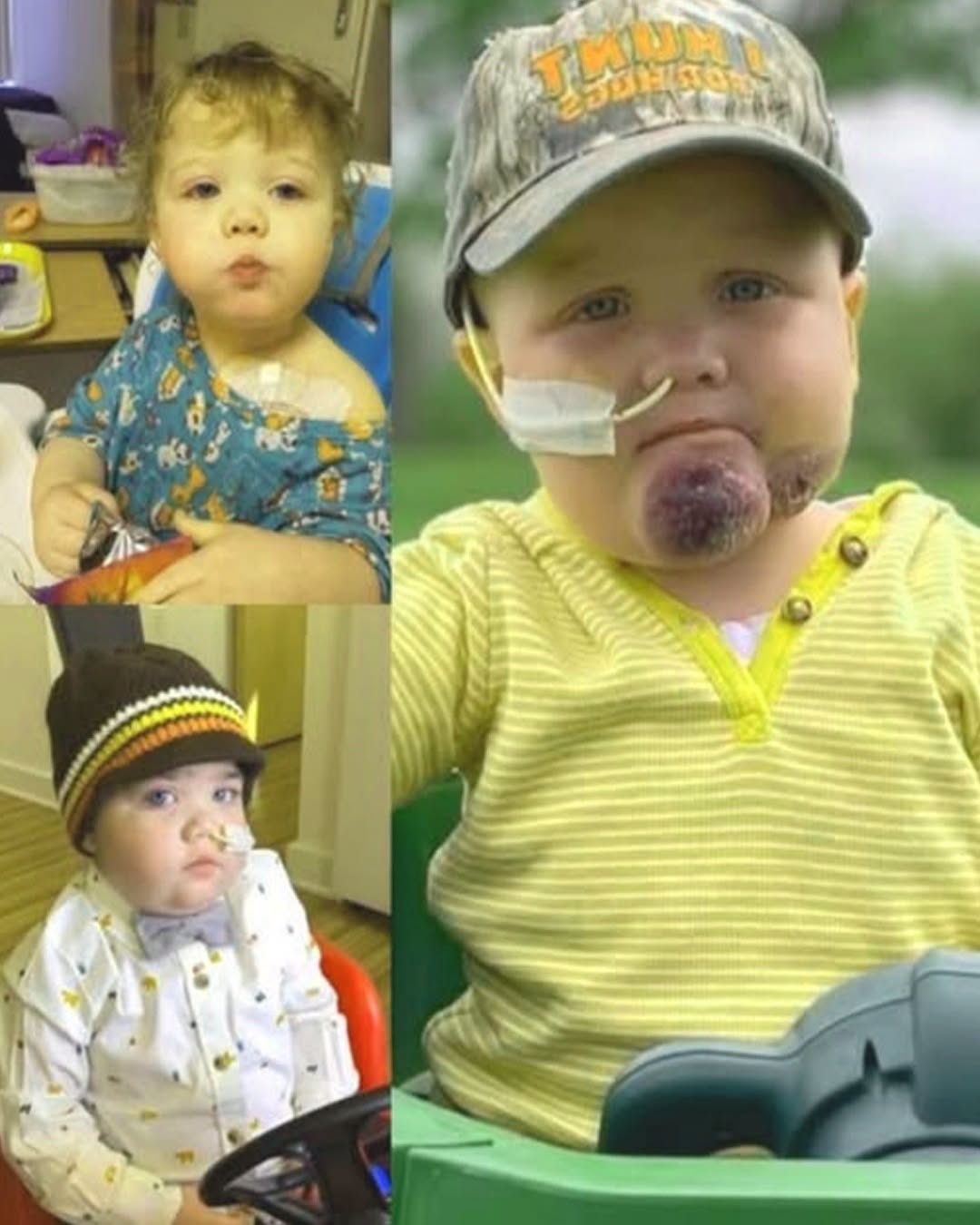
Every child facing a complex medical journey deserves access to compassionate, high-quality healthcare. Witnessing an infant navigate the discomfort of an ulcerated facial growth serves as a poignant reminder of the fragility of early childhood and the critical importance of timely medical guidance. With the right clinical oversight, proper wound management, and steady emotional support from family, these young patients possess an incredible capacity for resilience and healing. We extend our warmest thoughts and sincerest wishes to this precious little one, hoping for a swift, comfortable recovery, minimal scarring, and a future filled with vibrant, lasting health.