Woman Born Without a Uterus Says Never Having a Period Wasn’t “Lucky” — It Took Years to Understand What Womanhood Meant to Her
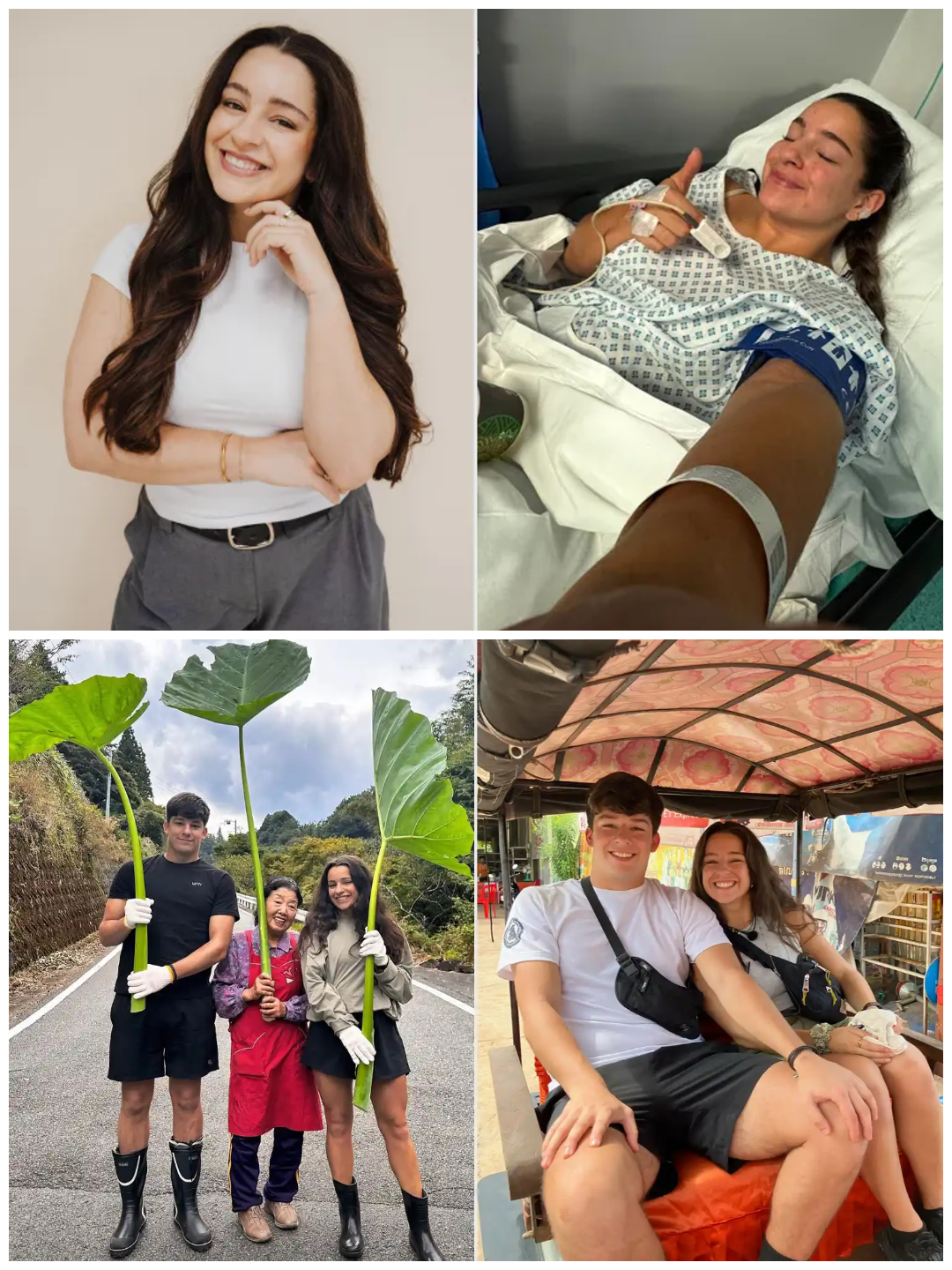
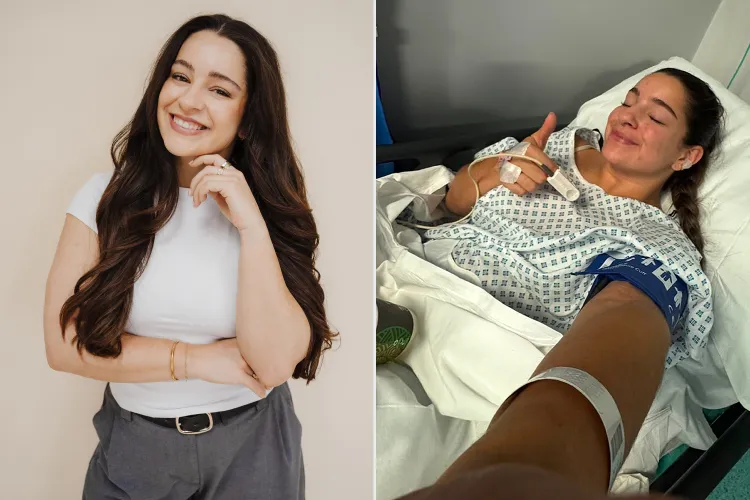
Betty Mukherjee was 16 when she learned that her body was different in a way she had never expected.
The Yorkshire teenager was diagnosed with Mayer-Rokitansky-Küster-Hauser syndrome, commonly known as MRKH, a congenital condition that meant she had been born without a uterus and with only one kidney.
At an age when many teenagers were worrying about school, friendships and growing up, Mukherjee suddenly found herself confronting much bigger questions about fertility, motherhood and what it meant to be a woman.
For years, she carried those questions mostly in private.
Conversations about periods could be especially difficult. Friends might complain about cramps, bleeding or the inconvenience of their monthly cycles. To them, menstruation could feel like an unwanted burden.
For Mukherjee, however, not having a period represented something entirely different.
People sometimes told her she was “lucky” because she would never have to deal with menstruation. But the comment did not feel fortunate to her. It overlooked the emotional reality behind why she did not have periods in the first place.
She was not simply avoiding cramps or buying menstrual products. She was living with a condition that had changed how she imagined her future.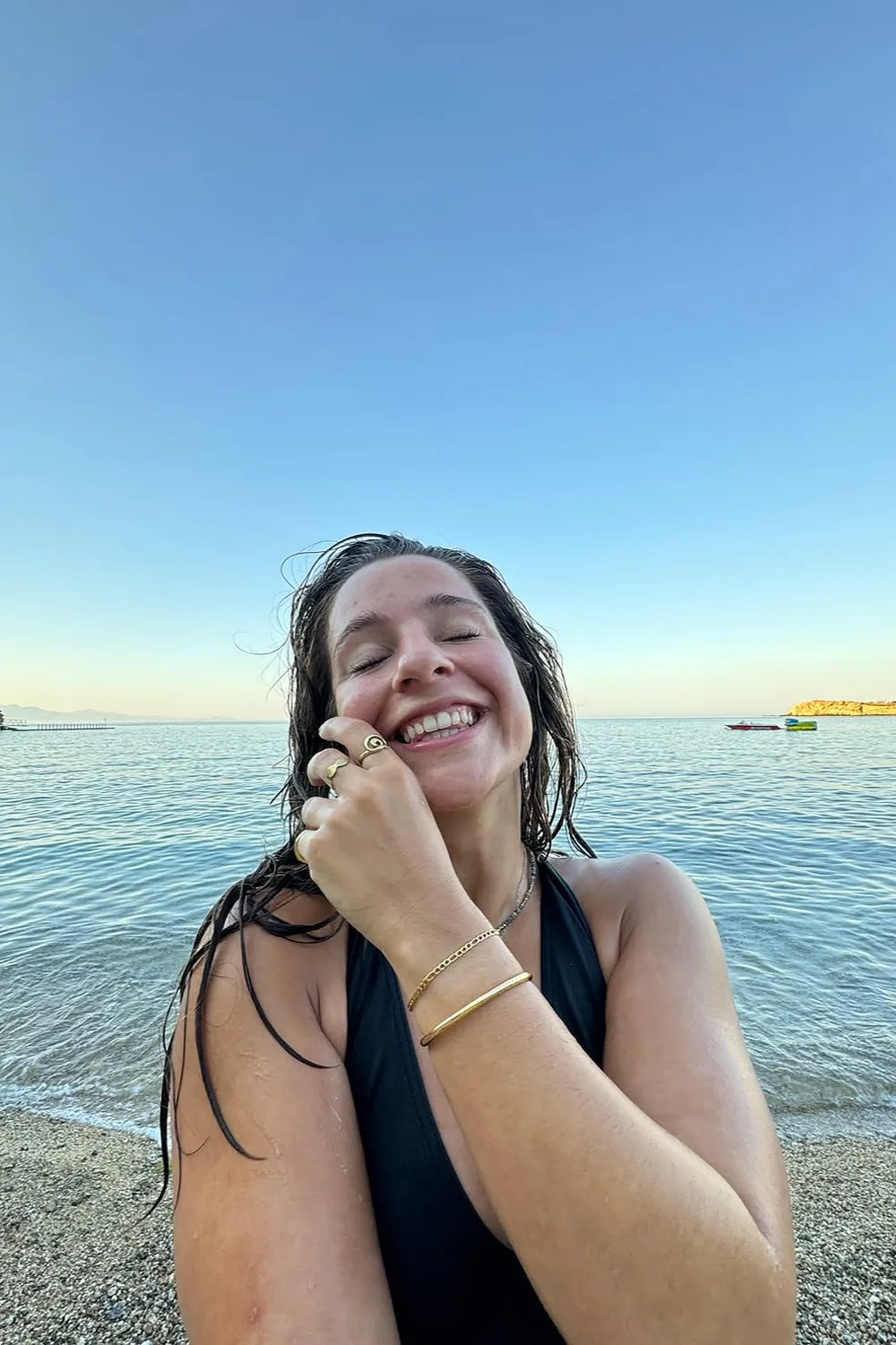
A Diagnosis That Changed Her Teenage Years
Learning she had MRKH forced Mukherjee to process information that few 16-year-olds expect to hear.
Her body had developed differently, and she would not be able to carry a pregnancy in the conventional way.
The diagnosis also affected the way she saw herself.
Periods are often treated as one of the major signs of growing into womanhood. Because Mukherjee never experienced that milestone, she sometimes felt disconnected from conversations and experiences that seemed completely ordinary for the women around her.
What others saw as freedom from an inconvenience could therefore remind her of something much deeper.
For a long time, MRKH became something she preferred not to discuss.
She worried about how people might react and carried a sense of shame around a condition she had never chosen.
Over time, however, she began finding ways to separate her identity from her diagnosis.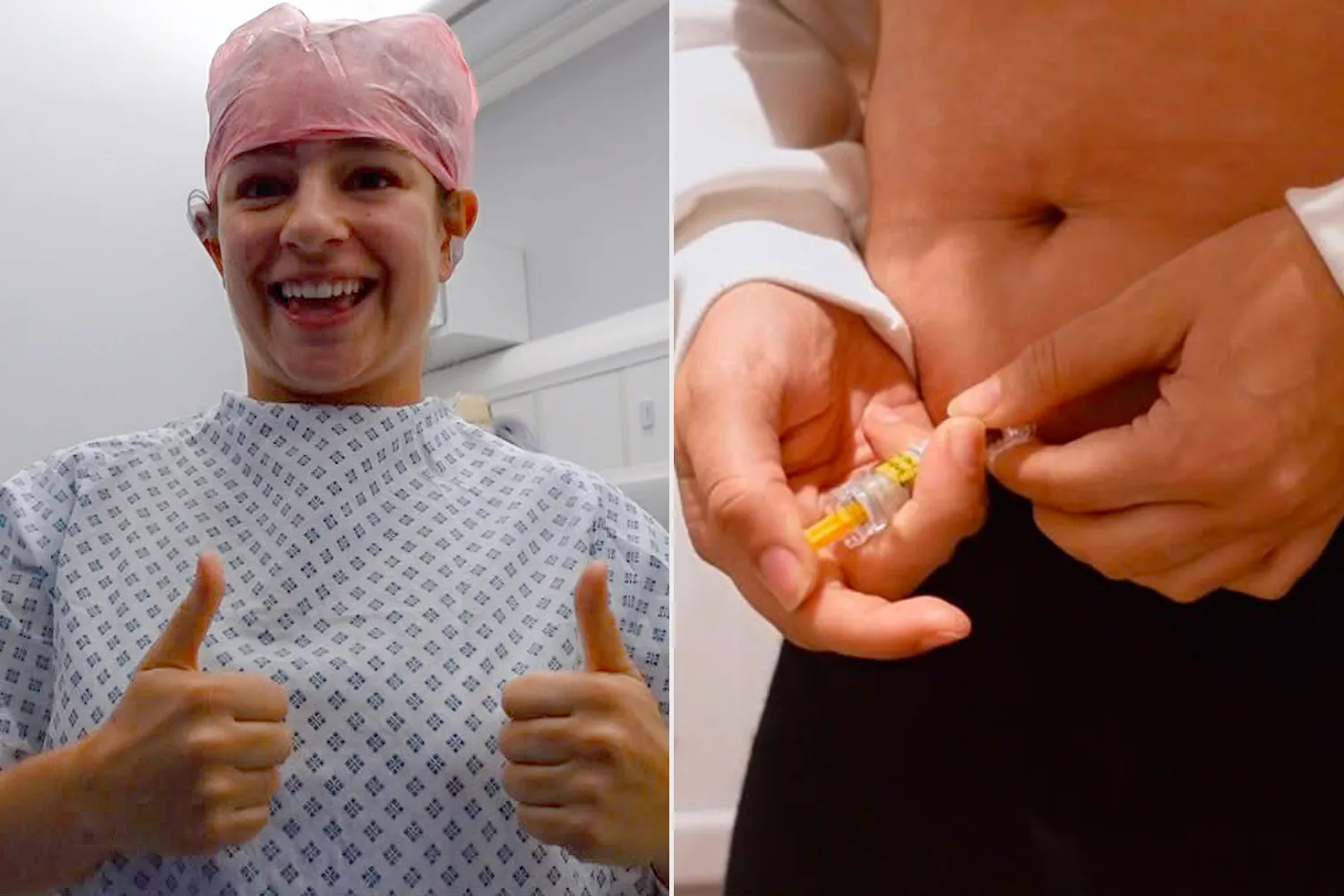
Travel Helped Her Rediscover Herself
Travel became an important part of that process.
Being away from familiar surroundings allowed Mukherjee to experience herself outside the expectations she had associated with MRKH.
Solo travel in particular gave her independence and helped rebuild her confidence.
Instead of constantly thinking about what her body could not do, she could focus on what she was capable of doing: navigating unfamiliar places, making decisions for herself and building a life filled with experiences that had nothing to do with her diagnosis.
That growing confidence eventually led to a much more public moment.
In 2024, Mukherjee appeared alongside her brother on the fourth season of the British television series Race Across the World.
During the experience, she spoke openly about having MRKH.
It was a significant decision for someone who had once spent years trying to keep the condition private.
She was revealing one of the most vulnerable parts of her life to an audience far larger than the friends and family members who already knew her story.
But the reaction was not what she had once feared.
Speaking Out Changed Everything
After sharing her experience publicly, Mukherjee began receiving messages from other women.
Some were living with similar circumstances. Others simply appreciated hearing someone speak candidly about an issue rarely discussed openly.
The response helped transform something she had once regarded as a source of shame into a way of connecting with people.
Her diagnosis was no longer only a private struggle.
It became part of a broader conversation about fertility, reproductive health and the assumptions society often makes about women’s bodies.
Mukherjee also began challenging the idea that menstruation, pregnancy or the ability to give birth should determine whether someone is considered a woman.
For her, those assumptions had real emotional consequences.
A casual remark about how fortunate she was not to have periods could erase the years of confusion, grief and uncertainty attached to the reason behind it.
By talking about that experience, she hopes people will become more thoughtful about what another person may be carrying privately.
Her Ideas About Motherhood Also Changed
The diagnosis Mukherjee received at 16 did not remove her desire to consider motherhood.
Instead, as she grew older, she began exploring what becoming a parent might look like for her.
Since 2025, she has undergone two rounds of IVF.
She now has six healthy, genetically tested embryos frozen.
Those embryos represent possibilities that once seemed difficult for her teenage self to imagine.
Because she cannot carry a pregnancy herself, Mukherjee has considered routes including surrogacy. She has also thought about the possibility of a uterus transplant.
There is no single path already written for her.
That uncertainty, however, now feels very different from the fear she experienced when she first received her diagnosis.
Rather than seeing only the things MRKH has taken away, she can also see choices and possibilities ahead.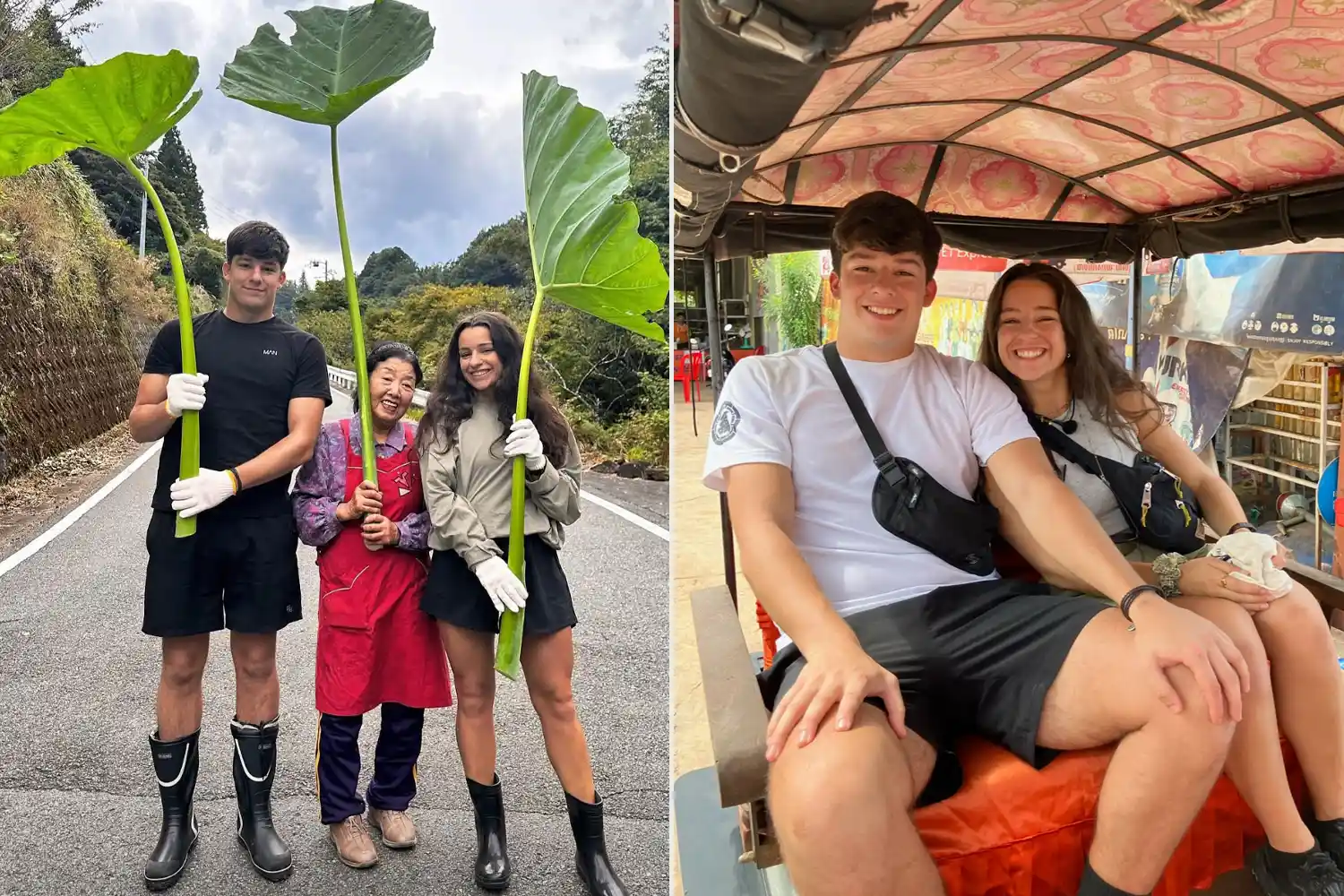
Redefining What Womanhood Means
Now 28, Mukherjee speaks about MRKH from a very different place than she did as a teenager.
The condition remains part of her life, but it no longer has the same power to define her.
Her experience has also led her to rethink the meaning of womanhood itself.
Instead of tying femininity to periods, fertility or pregnancy, she describes womanhood through broader qualities such as love, care, strength, empowerment and the ability to determine one’s own future.
That perspective was not formed overnight.
It came after years of feeling different, hiding a deeply personal diagnosis and slowly learning that the biological milestones she could not experience did not make her any less complete.
Her story also offers a reminder about the danger of making assumptions about another person’s body.
Someone who never has a period may not consider themselves fortunate.
Someone who cannot become pregnant may still deeply want to become a parent.
And a physical difference that appears simple from the outside may carry years of emotional complexity behind it.
For Mukherjee, speaking openly about MRKH has turned one of the most painful parts of her adolescence into something that may help another young woman feel less alone.
At 16, she wanted to hide the diagnosis.
More than a decade later, she is using the same story to challenge narrow definitions of womanhood and to show that a woman’s identity is far greater than the reproductive organs she was born with.