NEW FORENSIC DETAILS REVEAL THE TIMELINE OF PRESTON DAVEY’S FINAL WEEKS AND HOURS
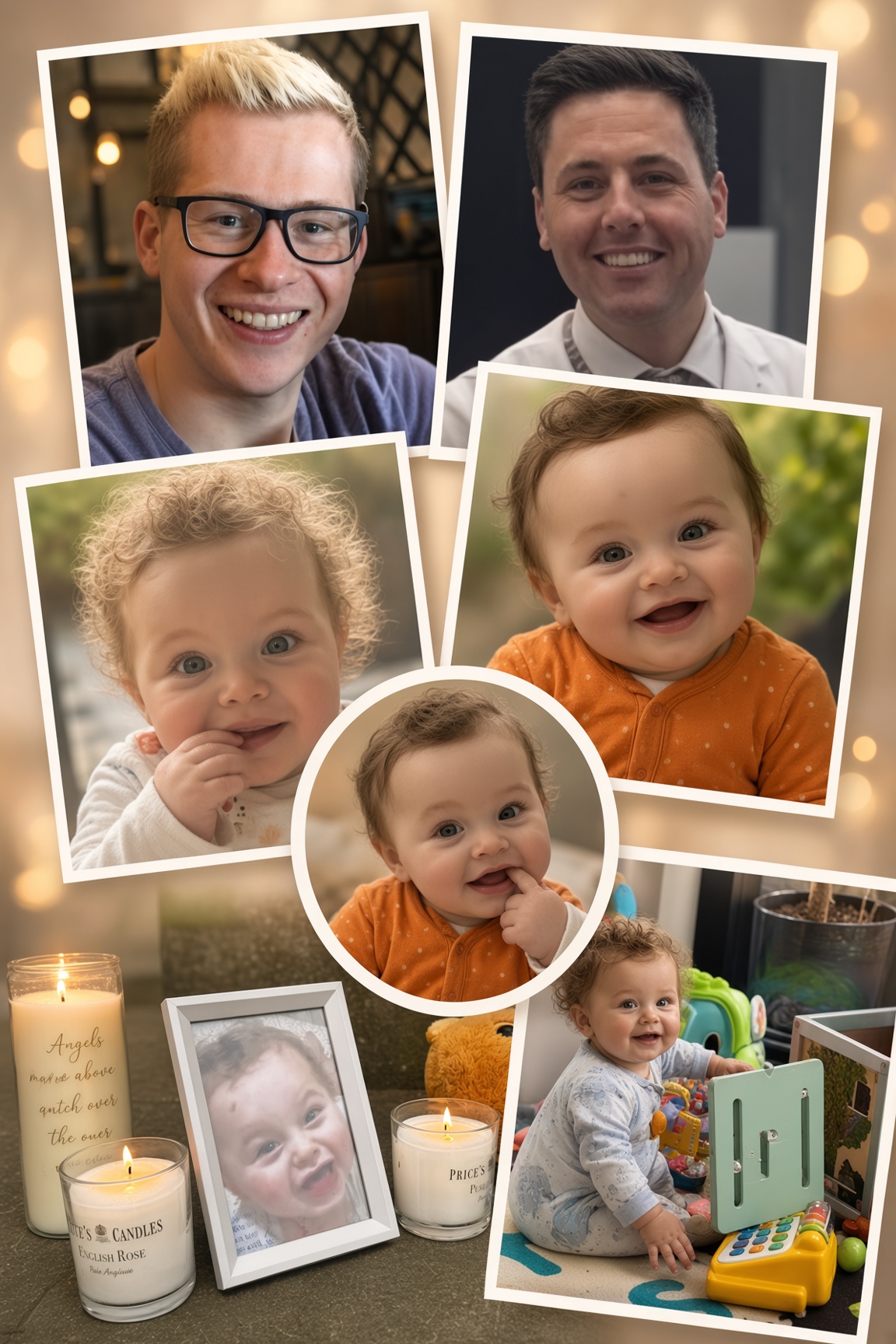
NEW FORENSIC DETAILS REVEAL THE TIMELINE OF PRESTON DAVEY’S FINAL WEEKS AND HOURS
LANCASHIRE, ENGLAND — The death of 13-month-old Preston Davey has been reconstructed through a combination of medical evidence, photographs, videos and testimony that prosecutors said revealed a prolonged pattern of abuse before the toddler’s final hours.
The case ended with Jamie Varley convicted of murder and his partner, John McGowan-Fazakerley, convicted of causing or allowing Preston’s death. Varley was later given a whole-life order.
 40 TRAUMATIC INJURIES
A Home Office post-mortem examination found that Preston had suffered 40 traumatic injuries during the period he was in Varley and McGowan-Fazakerley’s care.
Lancashire Police said the injuries included at least 30 external bruises, internal injuries involving his mouth and throat and a healing fracture to his left upper arm that was considered non-accidental.
Evidence presented during the case also included photographs and videos recovered from the defendants’ phones that prosecutors said documented earlier injuries and incidents involving Preston.
The evidence therefore did not concern only what happened on the day he died. It helped prosecutors construct a timeline stretching across the months Preston lived with the couple.
THE FINAL DAY
On July 27, 2023, Varley recorded Preston struggling to breathe and appearing distressed.
Police said the prosecution case was that Preston had suffered an assault earlier that day, followed by a second assault that caused the obstruction to his airway.
Varley was the only person prosecutors said was present in the house during those assaults.
At approximately 6:24 p.m., Preston was taken to hospital unconscious and in cardiac arrest.
Doctors attempted to save him, but he was pronounced dead at 7:20 p.m.
 THE BATH STORY
Varley told hospital staff and police that Preston had been left alone in a bath seat for several minutes and was later discovered submerged.
But forensic evidence contradicted that account.
Preston arrived at hospital completely dry, including his hair, and medical experts found no evidence supporting drowning.
A Home Office pathologist determined that Preston died from acute upper-airway obstruction, with the evidence indicating smothering or an object or objects being inserted into his mouth.
That finding became one of the most significant pieces of evidence undermining the explanation that Preston had drowned accidentally.
A TIMELINE THAT CHANGED THE CASE
The evidence showed that investigators were not dealing with an isolated unexplained death.
Earlier photographs and videos, hospital records and forensic findings were used to establish a pattern of injuries during the period Preston was in the defendants’ care.
The investigation ultimately uncovered evidence that prosecutors said demonstrated repeated physical and sexual abuse.
The jury convicted Varley of murder and other offences, while McGowan-Fazakerley was convicted of causing or allowing Preston’s death and additional offences.
THE ANSWERS CAME FROM THE FORENSIC EVIDENCE
What initially appeared to be a claimed bath accident became a murder investigation after the medical evidence failed to support drowning.
The dry condition of Preston’s body, the 40 traumatic injuries and the findings concerning his airway collectively formed a dramatically different picture from the account initially given to investigators.
For a child who was only 13 months old, the forensic timeline ultimately became central to understanding what happened.
Preston’s death was not explained by the bath accident described by Varley. The evidence presented in court instead established a fatal airway obstruction against a wider background of serious injuries and abuse.