REVEALED AT 12:46 A.M.: 0.16% BAC PUTS GRANDPA’S “THREE BEERS” CLAIM UNDER SCRUTINY
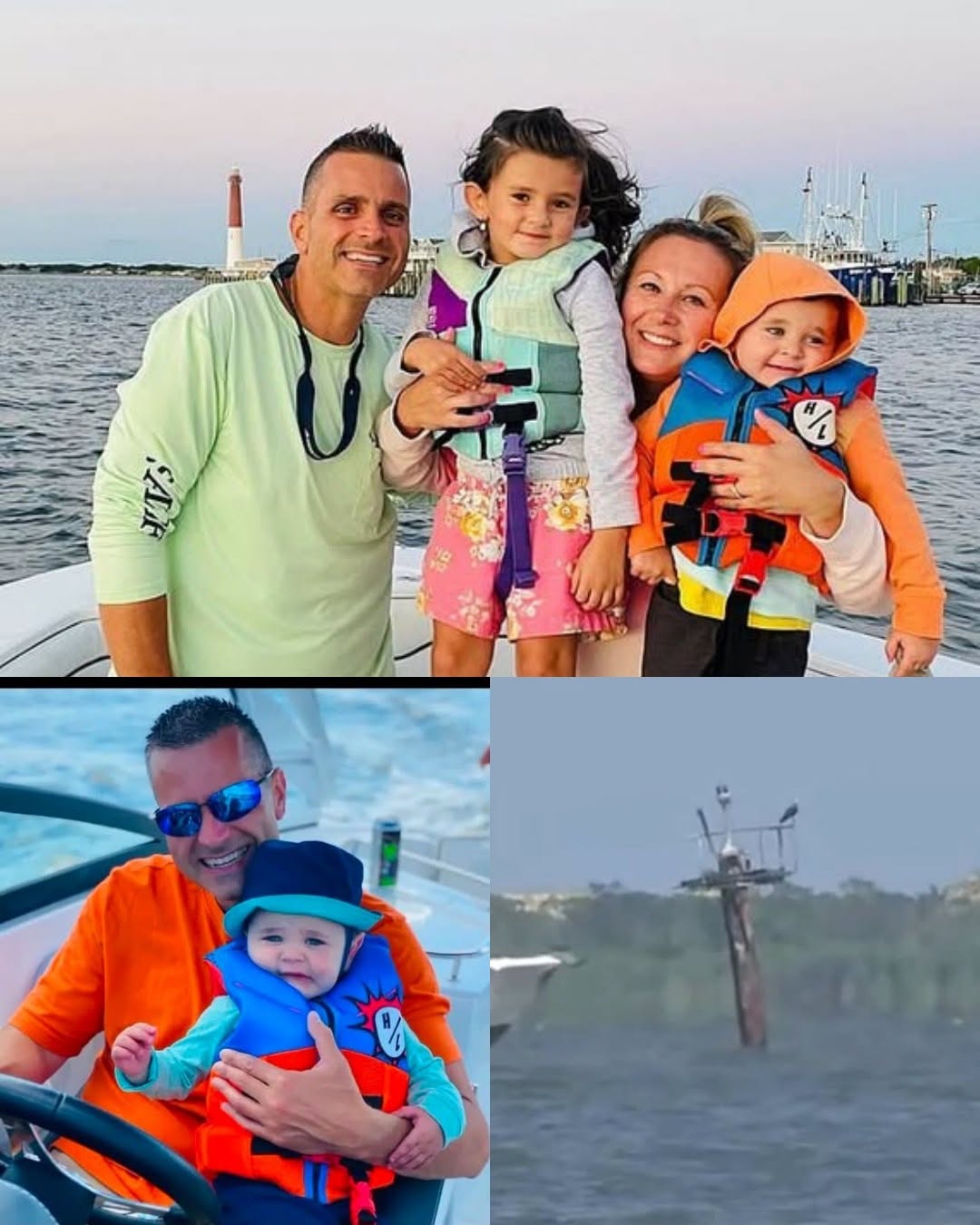
REVEALED AT 12:46 A.M.: 0.16% BAC PUTS GRANDPA’S “THREE BEERS” CLAIM UNDER SCRUTINY
Nearly a month after the deadly Barnegat Bay boat crash, newly revealed toxicology evidence is putting renewed attention on what happened in the hours before the collision.
According to court records, 64-year-old Stephen Schneider told investigators that he had consumed three beers over roughly two hours before taking his grandchildren out on the water.
But investigators later obtained a blood sample under an emergency search warrant.
The laboratory result reportedly showed a 0.16% blood-alcohol concentration.
 THE BLOOD TEST BECAME A KEY PIECE OF EVIDENCE
The warrant was reportedly obtained at approximately 12:46 a.m., allowing authorities to collect Schneider’s blood for testing.
The later laboratory result gave investigators a more concrete measurement of his alcohol level than his initial account.
A BAC of 0.16% is substantially above New Jersey’s legal limit for operating a vessel.
That evidence could become important as prosecutors pursue charges related to the deaths of 9-year-old Mya Golabek and 7-year-old Siggy Golabek.
BUT ONE QUESTION REMAINS
The toxicology result establishes the reported BAC.
It does not, by itself, establish exactly how many drinks Schneider consumed or precisely when he consumed them.
That distinction could become important in court as prosecutors and the defense argue over what the toxicology evidence actually proves.
The defense is also expected to challenge other aspects of the prosecution’s account, including questions surrounding the channel marker and nighttime visibility.
 THREE BEERS — THEN A 0.16% BAC RESULT.
A 12:46 A.M. WARRANT.
AND TWO CHILDREN WHO NEVER MADE IT HOME.
As the case moves forward, prosecutors will have to show how the toxicology evidence fits together with the rest of the evidence surrounding the crash.
What else did investigators find in that blood sample — and how much of it will ultimately be presented in court?