He Spent His First 12 Days Fighting for Life in the NICU. Nearly 23 Years Later, Sam Eisert Returned in His Graduation Cap to Say Thank You
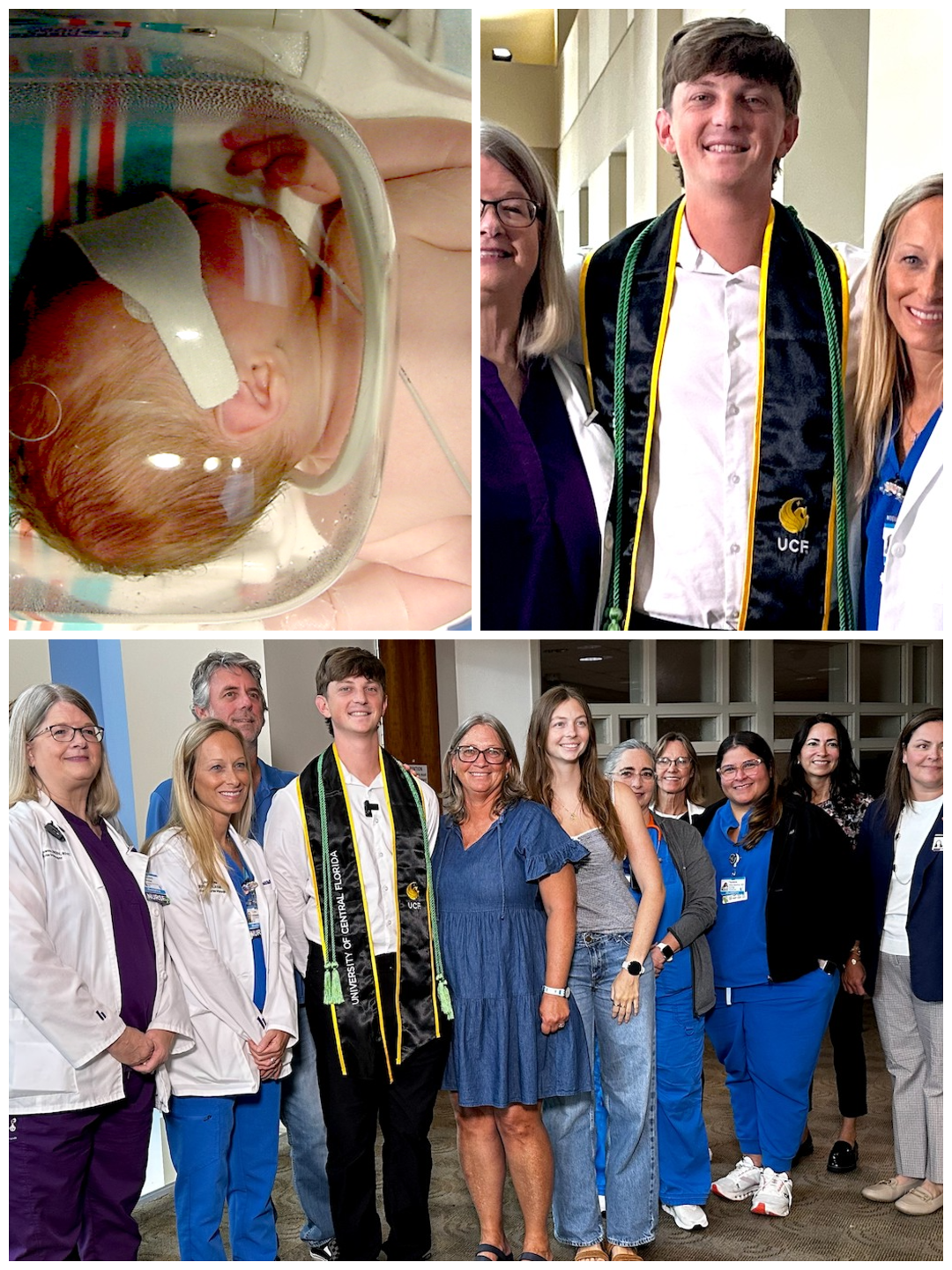
Sam Eisert had visited the neonatal intensive care unit at Holmes Regional Medical Center many times before.
Every Valentine’s Day, he and his mother, Susan, would return with treats for the nurses’ refrigerator and handwritten notes thanking the people who had helped save his life as a newborn.
But this visit was different.
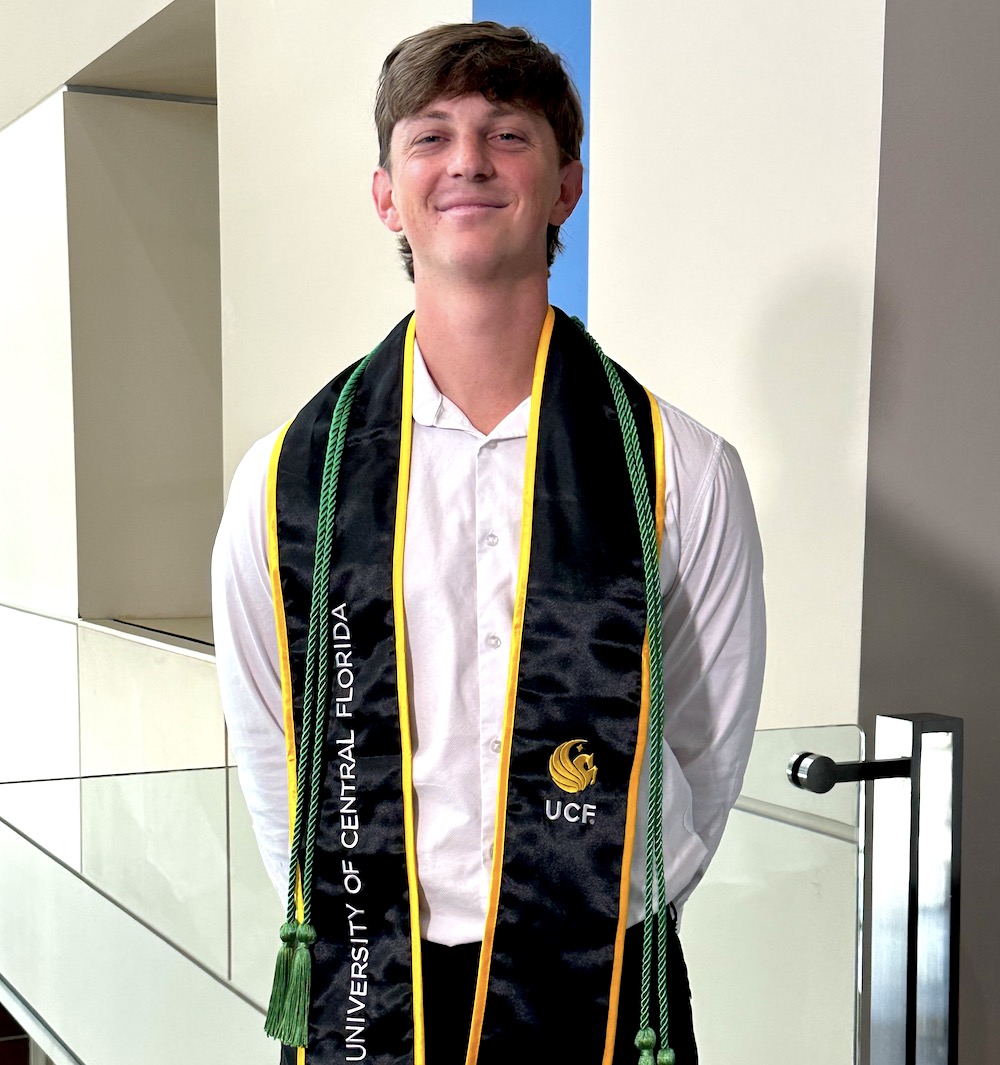
Nearly 23 years after Sam spent his first 12 days fighting to survive in that same hospital, he came back wearing his graduation cap, stole and cords.
Just days later, he was scheduled to graduate from the University of Central Florida with a degree in computer engineering.
For Sam and his family, the moment was about more than finishing college.
It was about standing inside the hospital where his future had once been uncertain and showing the people there what their work had made possible.
“I wouldn’t be here without the lovely nurses and doctors who were here when I was born,” Sam said during the visit.
His Birth Quickly Turned Into an Emergency
Sam’s arrival had begun with joy.
Then almost immediately, his parents realized something was wrong.
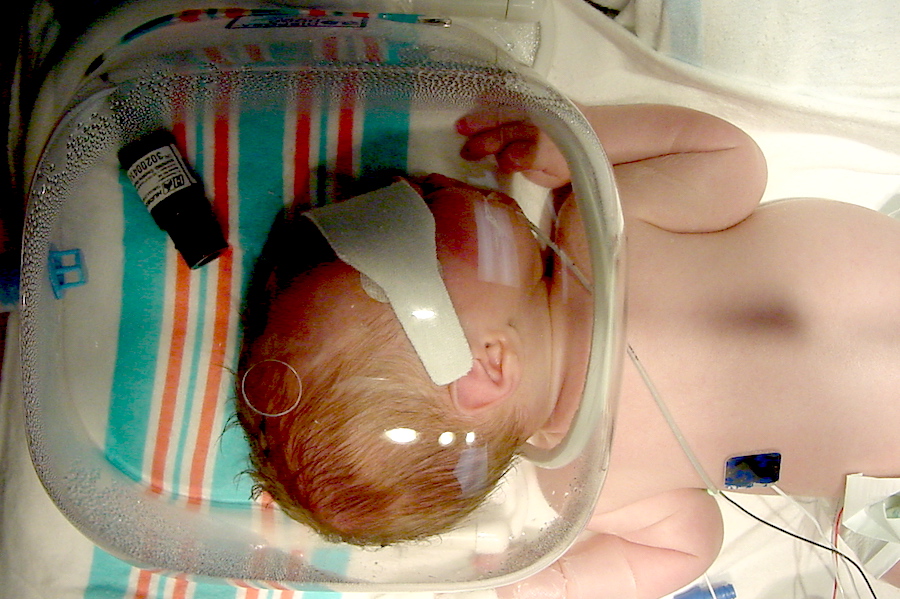
He was born about a month early, and the umbilical cord had wrapped around his neck.
His mother remembered the doctor looking at her newborn son and saying he was “really blue.”
Within minutes, Sam was taken away from his parents and rushed to the NICU at Health First’s Holmes Regional Medical Center in Melbourne, Florida.
He would remain there for the next 12 days.
For Susan and her husband, Scott Eisert, those first days of parenthood became something very different from what they had imagined.
Instead of taking their baby home, they watched medical professionals work to stabilize him.
Instead of learning ordinary newborn routines in the quiet of their own home, they were surrounded by monitors, hospital staff and uncertainty.
Sam was fighting for his life.
What His Parents Remember Most Is How Safe the Nurses Made Them Feel
Years later, the Eiserts do not focus primarily on the fear.
What stayed with them most strongly was the calmness of the NICU team.
Scott remembered that the nurses and doctors did not appear panicked.
They knew what they were doing.
And that professionalism gave two frightened parents something they desperately needed: confidence that their son was in the right hands.
The staff could do things Susan and Scott could not.
They could provide the specialized care Sam required at a moment when his parents were powerless to fix the problem themselves.
That feeling never left Susan.
Once Sam was healthy enough to leave the hospital, she knew she wanted the family to find a way to keep saying thank you.
The idea came from another mother she met during those first 12 days.
Another NICU Mom Inspired a Tradition
While Sam was still hospitalized, Susan saw another mother bring her daughter back to visit the unit.
The woman explained that she returned every year on her child’s birthday.
Susan remembered thinking immediately that she wanted to do something similar.
The NICU staff had done for Sam what his parents could not do themselves.
“They saved him,” she later recalled.
So the Eiserts created their own tradition.
Every Valentine’s Day, Susan and Sam returned to the NICU.
They brought food for the nurses.
They wrote cards.
They made sure the staff understood that a baby they once cared for had grown another year older.
As Sam matured, the tradition stopped being something his mother simply organized for him.
It became important to him too.
Susan said her son would remind her that Valentine’s Day was approaching and that they needed to buy something for the nurses.
The annual visit became part of the family calendar.
And over time, even NICU staff members who had never personally treated Sam began to know his story.
This Year, College Got in the Way
In 2026, something interrupted the Valentine’s Day tradition for the first time.
Sam had an exam at UCF.
He was finishing his computer engineering degree, and school obligations prevented him from joining Susan for their usual February visit.
It was a small inconvenience compared with what the tradition represented, but the family still wanted to return together before another major milestone arrived.
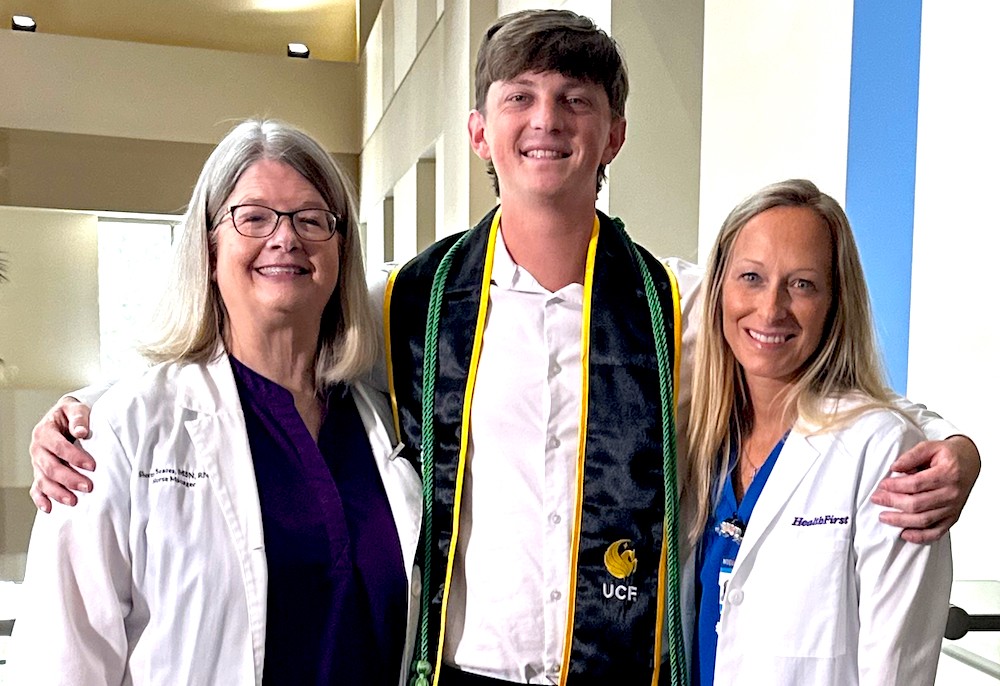
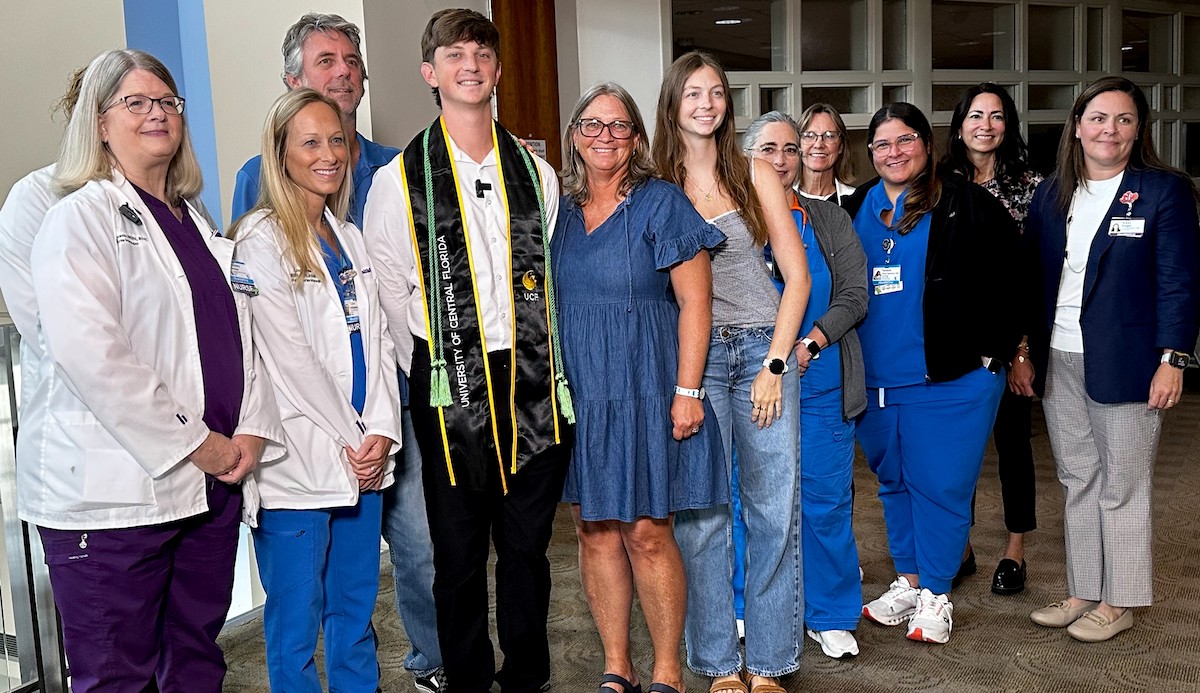
So on the Tuesday before his graduation, Sam came back.
Susan joined him.
So did his father, Scott, and his sister, Sydney.
This time, Sam was dressed not as a former NICU patient but as a college graduate preparing to begin the next stage of his life.
For the nurses watching him, the contrast was impossible to miss.
They had seen years of cards bearing his name.
Now the person behind those notes was standing in front of them as an adult.
For NICU Staff, Sam Became Proof of What Can Happen Next
Sherry Scates, nurse manager for the NICU, said Sam’s yearly cards had made his name familiar throughout the unit.
His return carried special meaning because NICU staff do not always get to see what happens to the babies they care for after discharge.
Their work often happens during a short but intense period.
They stabilize infants.
They support families.
Then, eventually, those families leave.
The nurses may never see the children again.
Sam offered a rare glimpse of the future.
A premature baby who once spent 12 days in the NICU was now graduating from college.
Scates said seeing that kind of outcome gives current NICU families hope.
Parents sitting beside incubators and monitors can look at someone like Sam and imagine that the frightening period they are living through may eventually become only the first chapter of a much longer life.
Sam Is Old Enough Now to Understand How Close It Came
As a child, Sam understood that he had once been sick.
As an adult, the full significance has become harder to ignore.
He has reflected on how close he came to not being there at all.
That thought takes on new weight with every milestone.
Finishing high school.
Entering college.
Choosing computer engineering.
Preparing to graduate.
Thinking about whatever comes next.
Sam said all those future chapters depend on the fact that he survived the first one.
The gratitude therefore grows rather than fades.
He does not remember those 12 days himself.
His parents remember them for him.
The hospital staff remembers what that kind of care requires.
And Sam now understands that his entire adult life sits on top of work performed before he was old enough to know what was happening.
His Sister Carried the Experience Into Her Own Career
The effects of Sam’s NICU stay also reached his older sister, Sydney.
She is studying occupational therapy.
During her training, she completed a clinical rotation in a NICU at a Gainesville hospital.
The experience gave her a different perspective on what her own parents had once endured.
Sydney saw families appearing strong beside their babies while carrying enormous fear beneath the surface.
She said those emotions do not simply disappear once a child leaves the hospital.
The memories remain.
Her family’s story was evidence of that.
Nearly 23 years later, Susan and Scott could still describe what it felt like to hand over their newborn and trust strangers to save him.
And they could still remember the relief of feeling that the people caring for Sam were calm, capable and compassionate.
The Thank-You Message Has Barely Changed
For this year’s visit, the Eiserts once again brought a card.
Its message echoed what the family had been saying for decades.
“Thanks for all you do for our little ones,” it read.
Then came the line that explained why they keep returning:
Sam would not be here without their hard work.
The message has remained remarkably consistent even as everything around it changed.
Sam went from newborn to toddler.
From child to teenager.
From high school student to UCF engineering major.
Now he is a college graduate.
But the family still traces all of those chapters back to the same 12 days.
That is what made the 2026 visit so emotional.
Sam was not returning to celebrate a difficult beginning.
He was returning to demonstrate what came after it.
A baby born blue and rushed into intensive care had grown into a healthy young man standing in a graduation cap.
And before walking across a university stage, he wanted to visit the people who had helped make sure he would live long enough to reach it.
Nearly 23 years after his parents first placed their trust in the NICU team, Sam Eisert came back carrying something they could never have promised him in those first frightening hours:
a future already filled with milestones — and more still ahead.