THE TRIAL EVIDENCE — WHAT PROSECUTORS PRESENTED AGAINST LUCY LETBY
THE TRIAL EVIDENCE — WHAT PROSECUTORS PRESENTED AGAINST LUCY LETBY
Before Lucy Letby’s first trial began, prosecutors prepared a case built around medical records, expert testimony, witness accounts and evidence from the neonatal unit at the Countess of Chester Hospital.
The prosecution’s case was not based on a single piece of evidence. Instead, jurors were asked to consider a large body of material and determine whether the individual pieces formed a consistent pattern.
 MEDICAL RECORDS AT THE CENTER OF THE CASE
A major part of the prosecution evidence involved the medical histories of the babies who became seriously ill or died.
Jurors were shown clinical records documenting the babies’ conditions, treatments, vital signs and sudden changes in their health.
Prosecutors argued that some of the collapses were unusual and occurred when Letby was working on the neonatal unit.
The defense disputed the interpretation of that evidence and argued that the babies were already medically vulnerable.
EXPERT MEDICAL TESTIMONY
The prosecution also relied heavily on expert witnesses.
Medical specialists gave evidence about the babies’ symptoms and proposed explanations for the sudden deteriorations.
One of the most significant areas of disagreement involved the theory that some babies had experienced unexpected insulin poisoning.
Prosecutors argued that laboratory results and medical evidence supported deliberate administration of insulin in certain cases.
The defense challenged aspects of the medical interpretation and argued that alternative explanations needed to be considered.
 THE TIMELINE
Another important element was the chronology.
Prosecutors presented evidence concerning when babies deteriorated, who was present and what happened immediately before and after each collapse.
The prosecution argued that the timing of multiple incidents was significant.
The defense, however, maintained that the presence of Letby during medical emergencies did not itself prove she had caused them.
LETBY’S OWN RECORDS AND NOTES
Jurors also heard about documents and notes connected with Letby.
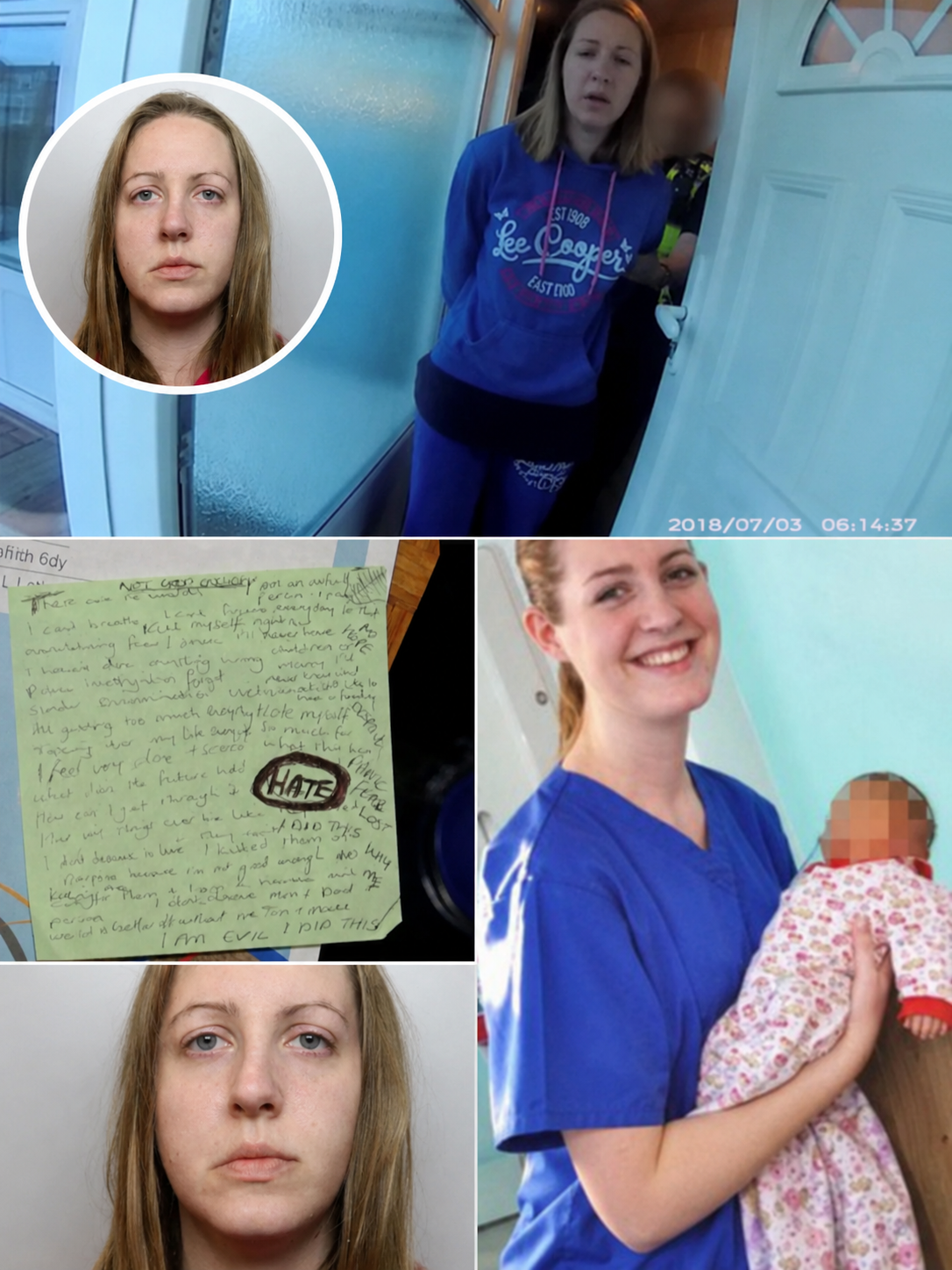
Among the material examined during the trial was a handwritten note found at her home following her arrest.
The prosecution interpreted the document as significant to its case.
The defense disputed that interpretation, arguing that the note reflected Letby’s emotional state rather than an admission of wrongdoing.
DIGITAL AND WITNESS EVIDENCE
Investigators also examined Letby’s communications, movements and interactions with colleagues.
Witnesses from the neonatal unit described working relationships, concerns raised about incidents and Letby’s presence around the babies.
The prosecution sought to place this evidence within the broader chronology of the cases.
Again, the significance of those individual pieces of evidence was ultimately for the jury to determine.
WHAT DID THE JURY DECIDE?
After hearing the evidence, the jury convicted Letby in 2023 of murdering seven babies and attempting to murder six others.
She was subsequently given a whole-life order, meaning she is expected to remain in prison for the rest of her life.
A further conviction for attempted murder followed at a retrial in 2024.
Letby has consistently denied the allegations and maintains that she is innocent.
THE CASE REMAINS UNDER SCRUTINY
The fact that Letby was convicted does not mean every piece of evidence presented at trial is beyond debate.
Her legal team continues to challenge aspects of the convictions, and an application on her behalf has been submitted to the Criminal Cases Review Commission (CCRC).
The commission’s review does not mean Letby has been cleared or that her convictions have been overturned.
For now, those convictions remain legally valid.
THE CENTRAL QUESTION HAS NEVER REALLY CHANGED
Prosecutors presented thousands of pages of records, medical evidence, witness testimony and other material.
The jury ultimately accepted the prosecution’s case beyond the criminal standard required for conviction.
But years later, debate continues over how that evidence should be interpreted.
Was the evidence a coherent pattern of deliberate harm — or were important medical uncertainties given too little weight?
That question remains at the heart of the continuing controversy surrounding one of Britain’s most closely watched criminal cases.