NANCY GUTHRIE: HUMAN REMAINS FOUND NEAR TUCSON RENEW QUESTIONS ABOUT HER DISAPPEARANCE
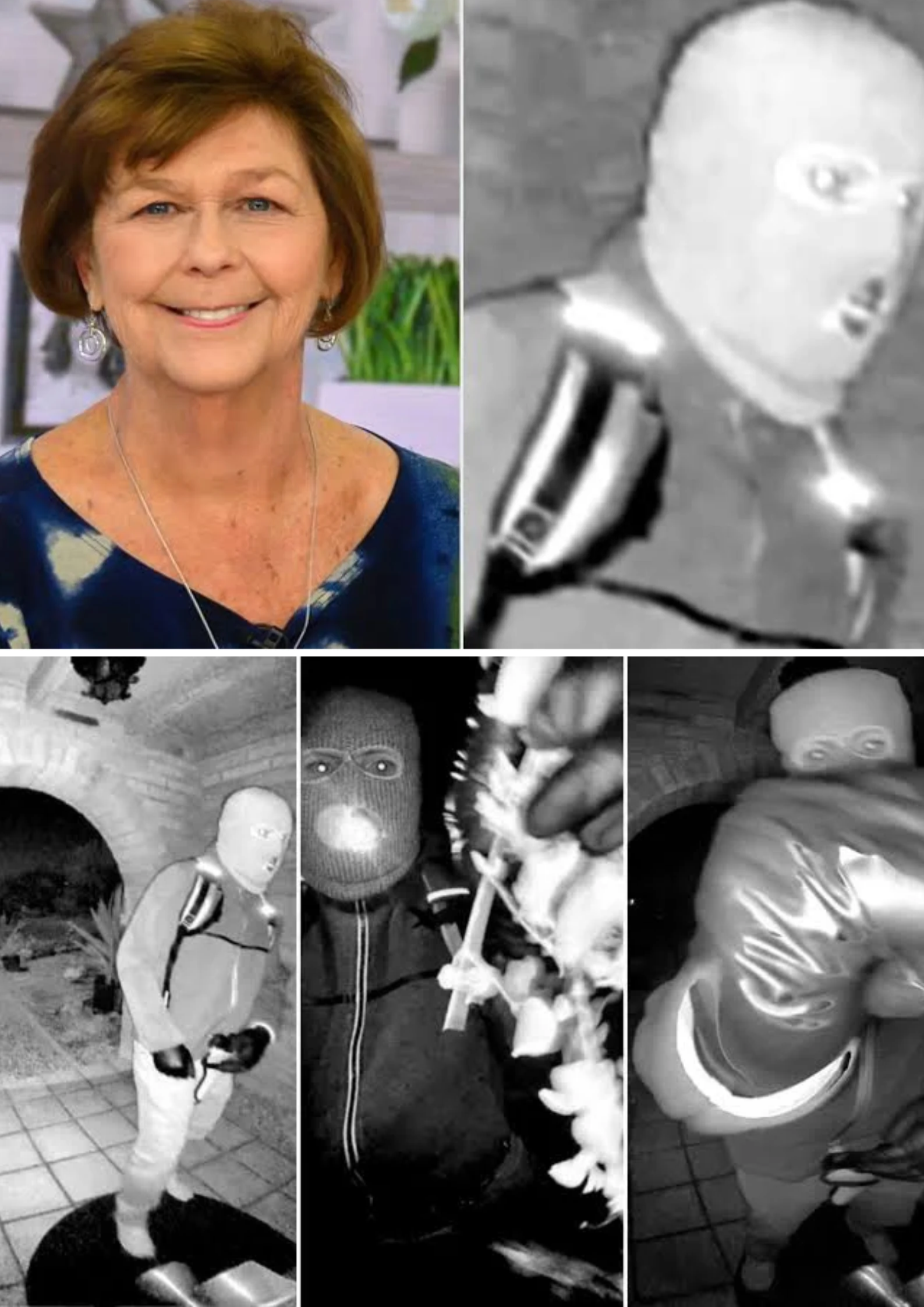
NANCY GUTHRIE: HUMAN REMAINS FOUND NEAR TUCSON RENEW QUESTIONS ABOUT HER DISAPPEARANCE
The discovery of human remains in the Arizona desert has reignited questions surrounding the disappearance of Nancy Guthrie — but investigators are warning that there is currently no indication the remains are connected to her case.
Guthrie disappeared from her Tucson home nearly seven months ago.
Since then, every discovery of unidentified remains in the region has carried the same painful question for investigators and her family:
Could this finally be Nancy?
So far, authorities say there is no evidence establishing that connection.
REMAINS FOUND ABOUT 15 MILES FROM GUTHRIE’S HOME
The latest remains were discovered approximately 15 miles from Guthrie’s Tucson residence.
That distance immediately drew attention because of the ongoing search for the missing woman.
But Pima County Chief Medical Examiner Greg Hess emphasized that unidentified human remains are unfortunately common in the region.
Hess told CNN that since Guthrie disappeared, he has considered whether every set of remains brought to his office could potentially belong to her.
Yet authorities have not announced any evidence linking the newly discovered remains to Guthrie.
The identification process is continuing.
 WHY TUCSON HAS SO MANY UNIDENTIFIED REMAINS
The discovery also exposes a much larger and often overlooked crisis in southern Arizona.
Pima County sits near the U.S.-Mexico border and borders the vast Sonoran Desert, one of the harshest environments in North America.
Hess said his office receives roughly 150 sets of human remains every year.
Many are believed to belong to migrants who died while attempting to cross the desert, often from extreme heat, dehydration or exposure.
His office currently holds approximately 600 sets of unidentified remains — reportedly more than any other county medical examiner’s office in the United States.
That staggering number means investigators can face an enormous challenge when trying to identify someone who died in the desert.
THE DESERT CAN DESTROY CRUCIAL CLUES
The Sonoran Desert does not make identification easy.
Extreme heat, intense sunlight, monsoon flooding and animals can rapidly alter or scatter remains.
In some cases, experts say a body can become heavily skeletonized within only weeks or months.
That can make traditional identification methods difficult.
Investigators may instead have to rely on:
DNA testing
Forensic anthropology
Dental records
Medical records
Missing-person databases
Every fragment can potentially become a critical clue.
THE GUTHRIE CASE HAS SHED LIGHT ON A MUCH BIGGER TRAGEDY
Nancy Guthrie’s disappearance has attracted enormous public attention.
But experts say her case has also highlighted something much broader — the thousands of families who continue searching for relatives who disappeared while crossing the desert.
For those families, there may be no body, no confirmed identity and no definitive explanation of what happened.
Researchers have described the deaths along the southern border as a “chronic mass disaster,” warning that the true number of people who have died may be substantially higher than official figures.
Every unidentified set of remains represents another family potentially waiting for answers.
NO CONNECTION TO NANCY GUTHRIE HAS BEEN ESTABLISHED
That distinction is critical.
The remains were discovered relatively close to Guthrie’s home.
But proximity alone does not establish a connection.
Authorities have not announced that the remains belong to Guthrie, and there is currently no public evidence showing that they are related to her disappearance.
Until forensic identification is completed, any claim that the discovery solves the Guthrie case would be speculation.
THE QUESTION THAT REMAINS
Nearly seven months after Nancy Guthrie disappeared, her family is still waiting for answers.
The discovery of remains has naturally raised hope — and fear — that investigators may finally have a breakthrough.
But for now, the evidence does not provide that answer.
Investigators must first determine who the remains belong to.
Only then can authorities establish whether there is any connection to Guthrie.
And in a region where hundreds of unidentified remains are already awaiting answers, that process can be painfully difficult.
One missing woman.
One unforgiving desert.
Hundreds of unidentified remains.
And families still waiting to learn what happened to the people they love.
For Nancy Guthrie’s family, the search continues — and the latest discovery may bring questions, but it has not yet brought the answer they are desperately waiting for.