STEPHEN SCHNEIDER CASE TAKES A NEW TURN AS DEFENSE QUESTIONS NIGHTTIME VISIBILITY OF CHANNEL MARKER
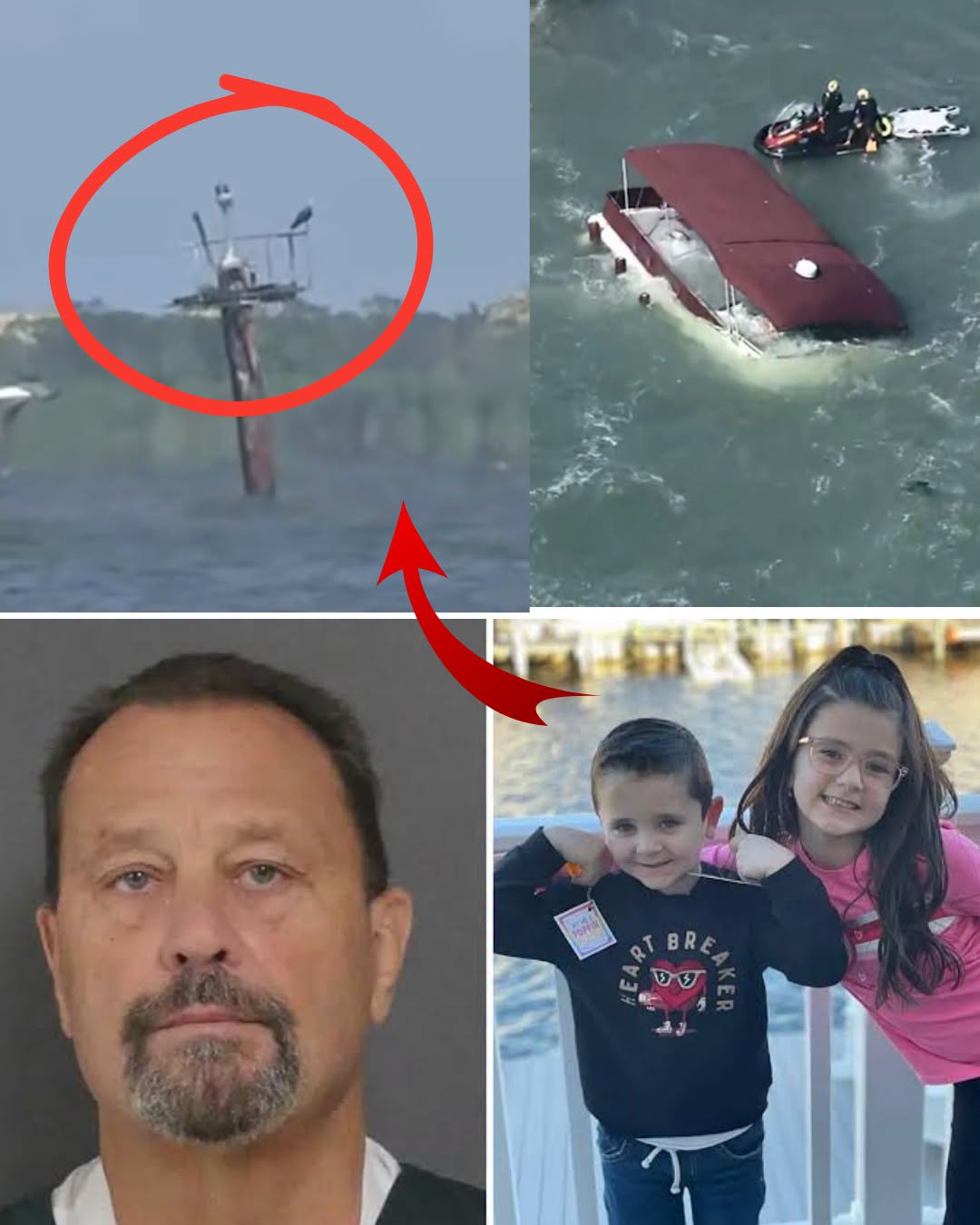
STEPHEN SCHNEIDER CASE TAKES A NEW TURN AS DEFENSE QUESTIONS NIGHTTIME VISIBILITY OF CHANNEL MARKER
NEW JERSEY — The legal battle involving Stephen Schneider is taking a new turn as his defense team examines more than the evidence surrounding his reported blood alcohol level.
A 0.16% blood alcohol concentration is expected to be a major point for prosecutors in the case involving the boating crash that claimed the lives of Schneider’s grandchildren, Mya and Sigmund.
But Schneider’s attorneys are now focusing on another question that could become important in court:
How visible was the channel marker at the time of the collision?
 DEFENSE LOOKS BEYOND THE ALCOHOL EVIDENCE
The blood alcohol evidence gives prosecutors a significant part of their argument concerning Schneider’s condition while operating the boat.
A BAC of 0.16% is substantially above the legal limit for operating a vessel.
Prosecutors contend that alcohol may have affected critical abilities needed to safely operate the boat, including judgment, coordination and reaction time.
The defense, however, appears prepared to examine the physical circumstances surrounding the crash rather than allowing the case to center exclusively on Schneider’s condition.
One area under scrutiny is the channel marker involved in the collision.
 COULD THE MARKER HAVE BEEN DIFFICULT TO SEE?
The defense is examining the marker’s visibility under nighttime conditions.
That raises several questions about what Schneider could actually see from the helm in the moments before the collision.
How far away was the marker?
What lighting was available?
Was the marker clearly visible against the surrounding darkness?
And how much time would an operator have had to recognize the hazard and react?
Those questions could become significant as attorneys attempt to reconstruct the final moments before the crash.
The defense does not necessarily have to dispute the BAC result to make this argument.
Instead, attorneys can challenge whether the prosecution’s interpretation of the crash accounts for all of the surrounding physical conditions.
THE CRASH CHANGED THE FAMILY FOREVER
Mya and Sigmund were aboard the boat when the collision occurred.
The children were thrown from the vessel during the incident and did not survive.
What began as a family outing became a devastating loss that has since led to a criminal case focused on Schneider’s actions and condition that day.
For prosecutors, the alcohol evidence is an important part of explaining why the collision occurred.
For the defense, the circumstances surrounding the marker and visibility could provide another explanation that jurors will eventually have to consider.
A BATTLE OVER WHAT COULD BE SEEN
Boating cases can depend heavily on physical evidence and accident reconstruction.
Investigators may examine the boat, the location of the marker, lighting conditions, navigation equipment, witness accounts and toxicology results to determine what happened.
The defense’s focus on nighttime visibility could therefore become an important part of its broader strategy.
If attorneys can raise questions about whether the marker was difficult to see, they could argue that the circumstances were more complicated than the BAC evidence alone suggests.
That does not erase the alcohol evidence.
Instead, it puts another piece of the crash under examination.
TWO SIDES, ONE CRITICAL QUESTION
The prosecution is expected to argue that Schneider’s condition impaired his ability to safely operate the boat.
The defense, meanwhile, can ask jurors to consider the entire environment in which the collision occurred.
The legal battle could ultimately revolve around a deceptively simple question:
What happened in the seconds before the boat struck the marker?
The answer could depend on evidence from several different sources — including Schneider’s blood alcohol level, the condition of the boat and the visibility of the marker that night.
THE CASE NOW MOVES TOWARD A LARGER EVIDENTIARY FIGHT
The latest defense strategy does not mean the alcohol evidence has disappeared.
Far from it.
The 0.16% BAC remains a central piece of the prosecution’s case.
But Schneider’s attorneys are signaling that they intend to challenge the circumstances surrounding the crash from multiple angles.
The channel marker, nighttime conditions and what could be seen from the helm could all become part of that challenge.
For the families involved, however, the legal arguments remain secondary to the loss of two children.
Mya and Sigmund went out on a family boat trip and never came home. Now, as the case moves forward, prosecutors and defense attorneys are preparing to present very different explanations for what happened on the water that day.