AFTER NEARLY 30 YEARS, TUPAC SHAKUR CASE FINALLY HAS A VERDICT — DUANE “KEFFE D” DAVIS FOUND GUILTY
AFTER NEARLY 30 YEARS, TUPAC SHAKUR CASE FINALLY HAS A VERDICT — DUANE “KEFFE D” DAVIS FOUND GUILTY
Nearly three decades after Tupac Shakur was fatally wounded in Las Vegas, a jury has finally delivered a verdict in the long-running case that captivated the music world.
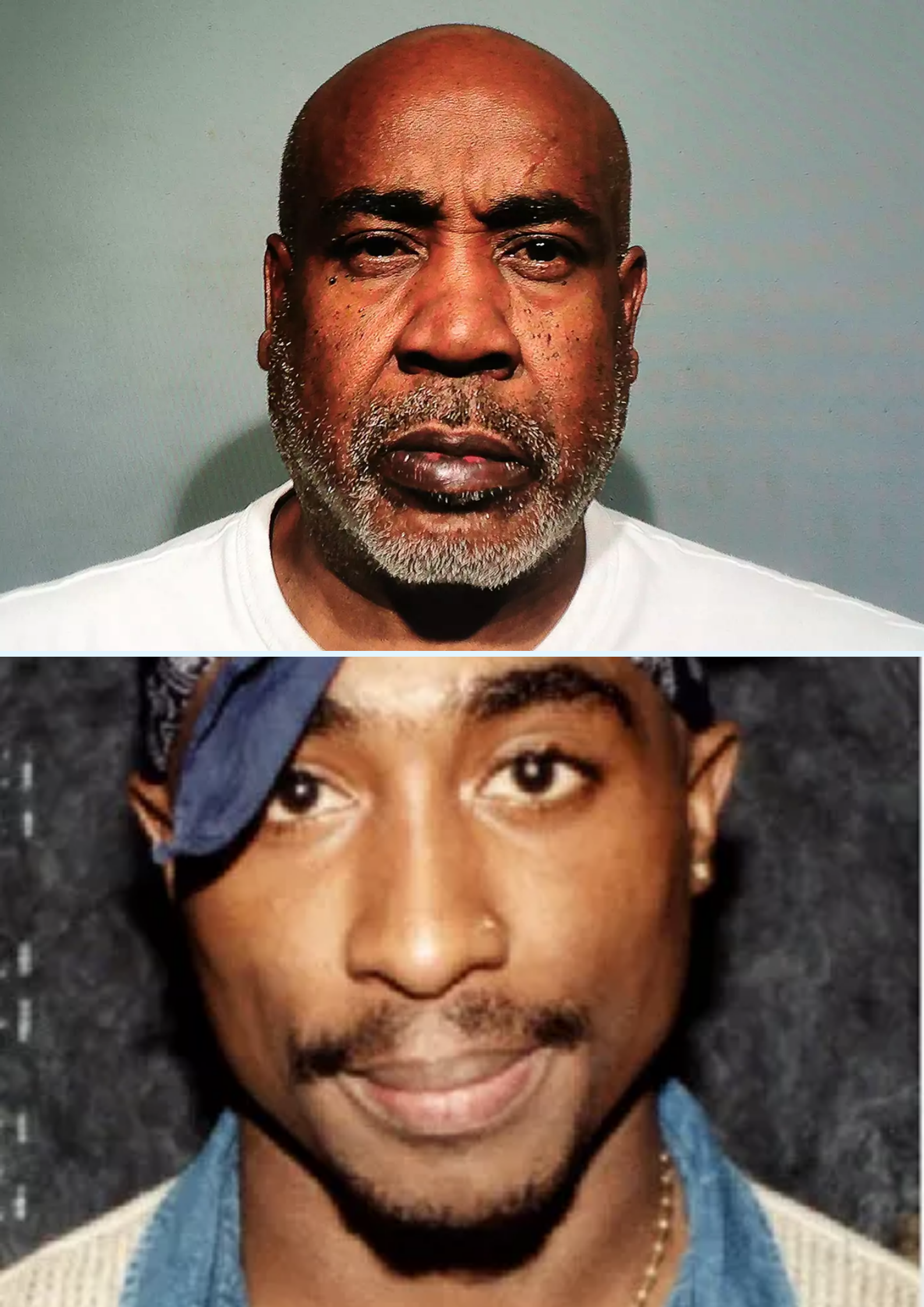
Duane “Keffe D” Davis, 63, was found guilty of orchestrating the 1996 killing of the legendary rapper after jurors deliberated for less than three hours.
The conviction marks the first time someone has been found guilty in connection with Shakur’s death.
:max_bytes(150000):strip_icc():focal(749x0:751x2):format(webp)/Keefe-D-09292335-e678c70bddd94ceca2c32a2e8f58f367.jpg) THE CASE THAT REFUSED TO DISAPPEAR
THE CASE THAT REFUSED TO DISAPPEAR
Tupac was just 25 when he was attacked in Las Vegas on Sept. 7, 1996.
He was sitting in a BMW with Death Row Records co-founder Marion “Suge” Knight when a white Cadillac pulled alongside them at a red light and gunfire erupted.
Tupac was critically wounded and died six days later in hospital.
For years, the case remained unresolved, generating countless theories and speculation about who was responsible.
The investigation eventually turned toward Davis, a former South Side Compton Crips gang leader and the uncle of Orlando “Baby Lane” Anderson.
PROSECUTORS SAID DAVIS ORGANIZED THE ATTACK
The prosecution’s case centered heavily on Davis’ own statements over the years.
Prosecutors argued that Davis helped organize a retaliatory attack after Anderson was involved in an earlier confrontation with members of Tupac’s entourage.
They said Davis obtained the firearm, coordinated the response and was inside the white Cadillac when the attack occurred.
Importantly, prosecutors did not argue that Davis personally pulled the trigger.
Instead, they argued that he could still be held criminally responsible for orchestrating the attack under Nevada law.
:max_bytes(150000):strip_icc():focal(749x0:751x2):format(webp)/tupac-walk-of-fame-star-060123-01-66c8ca19a916419db826e3fcda1e1e82.jpg) HIS OWN WORDS BECAME KEY EVIDENCE
HIS OWN WORDS BECAME KEY EVIDENCE
One of the most important pieces of the prosecution’s case was Davis’ history of publicly discussing the incident.
His 2019 memoir, Compton Street Legend, became a major focus during the trial.
Prosecutors argued that although Davis’ story changed in certain details over the years, one central element remained consistent: he repeatedly placed himself inside the Cadillac involved in the attack.
The defense offered a very different interpretation.
Davis’ attorney argued that his client’s statements were exaggerated stories intended to generate attention and money, rather than reliable admissions of responsibility.
The defense also emphasized the lack of physical evidence independently placing Davis inside the Cadillac that night.
A VERDICT AFTER THREE DECADES
The jury heard testimony from 24 prosecution witnesses and three defense witnesses during the trial.
After closing arguments, the panel deliberated for less than three hours before reaching its decision.
When the guilty verdict was read, members of Tupac’s family reacted emotionally in the courtroom.
Davis’ son was also visibly affected, covering his face with his hand.
The gang-enhancement portion of the charge was later dismissed because of witness-related issues, but Davis remains convicted of murder with a deadly weapon.
He could face life in prison.
THE END OF A 30-YEAR MYSTERY?
Davis is expected to appeal the conviction.
His case nevertheless represents a dramatic turning point in one of hip-hop’s most enduring mysteries.
For nearly 30 years, Tupac’s death remained surrounded by unanswered questions, competing theories and speculation.
Now, for the first time, a jury has reached a criminal verdict.
The mystery that began on a Las Vegas street in 1996 has finally reached a courtroom conclusion — but the legal battle may not be over yet.