“OUR SON IS NOT TO BLAME”: A66 CRASH FAMILY QUESTIONS POLICE PURSUIT AS NEW DETAILS EMERGE
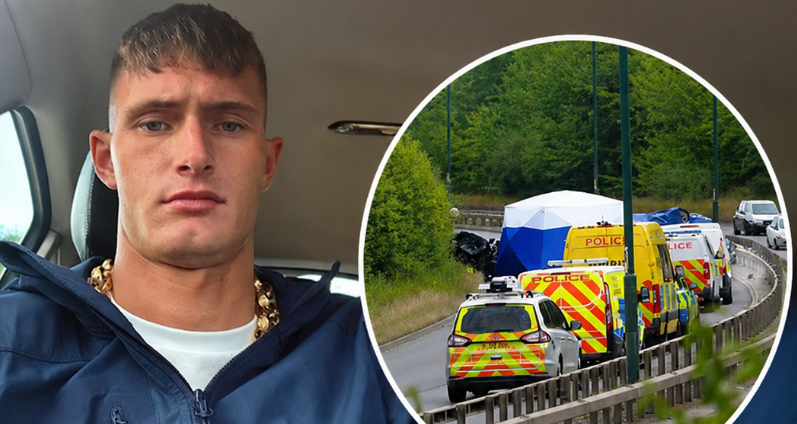
“OUR SON IS NOT TO BLAME”: A66 CRASH FAMILY QUESTIONS POLICE PURSUIT AS NEW DETAILS EMERGE
“Our son is not to blame.”
As families mourn seven people lost in the devastating A66 crash near Middlesbrough, one grieving family is questioning the police response in the moments before the collision.
The tragedy has already triggered a major investigation — and newly confirmed details are making the timeline even more difficult to understand.
Five young men were traveling in a Volkswagen Passat when it entered the A66 in the wrong direction and collided with a marked Cleveland Police vehicle.
Two police officers and all five occupants of the Passat died.
Now, questions are turning toward what happened before those final seconds.
 THE PURSUIT LASTED LESS THAN SEVEN MINUTES
According to the Independent Office for Police Conduct, Cleveland Police had received intelligence concerning several incidents linked to the Volkswagen Passat.
The vehicle was later spotted and an armed response vehicle began pursuing it.
Analysis of police in-car footage showed the pursuit lasted just under seven minutes.
Then the Passat entered the A66 at South Bank, traveling against the flow of traffic.
At that point, officers aborted the pursuit and continued on the correct side of the carriageway.
Approximately 10 seconds later, the Passat collided with another police vehicle that was in the area assisting with the search.
All seven people inside the two vehicles were lost.
 NOW A FAMILY IS ASKING: COULD IT HAVE BEEN DIFFERENT?
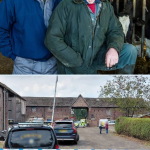
Relatives of one of the young men have questioned whether the police pursuit contributed to the chain of events.
Their argument has added another layer to an already deeply emotional case.
But the question of whether the police response played a role has not been decided.
That is precisely what the IOPC investigation is designed to establish.
Investigators are examining the circumstances surrounding the pursuit, the information available to officers and the decisions made immediately before the crash.
Cleveland Police has also urged the public not to speculate while the investigation continues.
THEN MORE DETAILS ABOUT THE NIGHT EMERGED
The investigation quickly expanded beyond the crash itself.
Police said they had received reports of two vehicles being driven dangerously before the collision.
One was a Volvo XC60 reportedly linked to incidents involving property damage.
The second was the Passat.
Police said both vehicles were operating with cloned registration plates and had been detected by automatic number-plate recognition systems.
Authorities later described the investigation as having significant links to suspected serious and organized criminal activity.
A total of 12 people were initially arrested, with further arrests subsequently bringing the number even higher.
Those developments have significantly changed the context surrounding the crash.
But they still do not answer the central question about the police pursuit.
SEVEN LIVES, TWO VERY DIFFERENT PERSPECTIVES
For the families of PC Matthew Blades and PC Tom Clough, the tragedy represents the loss of two officers who were serving their community.
For the families of the five young men in the Passat, it represents the loss of their sons and loved ones.
Both sides are now facing grief that cannot be undone.
And somewhere between those two perspectives lies the investigation into what happened during the final minutes.
THE NEW DETAILS DON’T END THE QUESTIONS
The emerging evidence has certainly made the story more complicated.
But it has not established that the police were responsible for the crash, nor has it established that the families’ claims are correct.
Likewise, the fact that police had been pursuing the Passat does not by itself determine whether the pursuit was justified or whether it contributed to the collision.
Those conclusions will depend on the evidence gathered by the IOPC.
The watchdog has already confirmed that investigators are reviewing police footage and other evidence surrounding the incident.
For now, one fact remains undeniable:
Seven people left home that night and never returned.
Two were police officers.
Five were young men.
And the unanswered questions surrounding the final 10 seconds could determine how the tragedy is ultimately understood.
Was the collision an unavoidable consequence of what happened on the road — or could different decisions have changed the outcome?
The investigation now has to find out.