“BIASED RIGHT OUT OF THE GATE” — LINDSAY CLANCY JUROR BREAKS SILENCE ON THE PROSECUTION’S CASE
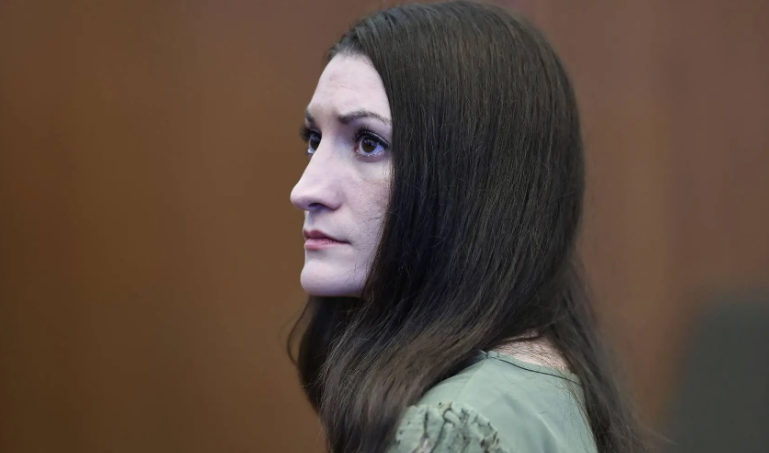
“BIASED RIGHT OUT OF THE GATE” — LINDSAY CLANCY JUROR BREAKS SILENCE ON THE PROSECUTION’S CASE
A JUROR WHO HELPED DELIBERATE THE LINDSAY CLANCY CASE HAS NOW REVEALED WHY SHE BELIEVED THE PROSECUTION’S APPROACH WAS TOO HARSH — AND HER COMMENTS OFFER A NEW GLIMPSE INTO THE JURY ROOM AFTER THE TRIAL ENDED WITHOUT A VERDICT.
The Lindsay Clancy case has taken another dramatic turn after juror Kellie Farina publicly criticized the way prosecutors presented their case, describing the prosecution as “harsh” and “biased right out of the gate.”
Farina was one of the jurors who ultimately leaned toward finding Clancy not guilty by reason of insanity.
The jury, however, could not reach the unanimous verdict required under Massachusetts law.
After roughly 38 hours of deliberations over seven days, Judge William Sullivan declared a mistrial on September 4, 2026.
:max_bytes(150000):strip_icc():focal(749x0:751x2):format(webp)/Kellie-Farina-lindsay-clancy-090926-0baf192e188b4fe8bb4ead77ec5f69c2.jpg) THE JUROR WHO SAID THE PROSECUTION FELT DIFFERENT FROM THE START
THE JUROR WHO SAID THE PROSECUTION FELT DIFFERENT FROM THE START
Farina told PEOPLE that she felt the prosecution’s presentation was overly severe from the beginning.
She specifically criticized what she saw as an imbalance in the way the two sides presented Clancy as a person.
According to Farina, the prosecution did not present character witnesses who could offer a fuller picture of Clancy’s life before the January 2023 tragedy.
The defense, by contrast, presented testimony and evidence aimed at showing Clancy as a loving mother whose mental state had deteriorated dramatically before the incident.
For Farina, that difference mattered.
The trial was not simply about what happened inside the Duxbury home.
It also became a battle over what was happening inside Clancy’s mind at the time.
:max_bytes(150000):strip_icc():focal(749x0:751x2):format(webp)/Shanan-Buckingham--Jennifer-Sprague-090926-38142c6400354e88a033d8b8a508b94c.jpg) TWO COMPLETELY DIFFERENT STORIES
TWO COMPLETELY DIFFERENT STORIES
Prosecutors argued that Clancy deliberately carried out the acts that killed her three children — Cora, 5, Dawson, 3, and Callan, 8 months — and that she should be held criminally responsible.
The defense presented a radically different explanation.
Clancy had pleaded not guilty by reason of insanity, with her attorneys arguing that she was experiencing a severe psychiatric crisis, including postpartum psychosis, when the children died in January 2023.
The defense also argued that medication and inadequate medical treatment contributed to her deteriorating condition.
More than 80 witnesses testified during the lengthy trial, including medical experts and Clancy’s husband, Patrick.
THEN CAME THE JURY DEADLOCK
The case eventually moved from the courtroom into a jury room — where the divide became even more apparent.
According to jurors who have since spoken publicly, most of the panel was prepared to find Clancy not guilty by reason of lack of criminal responsibility.
But one juror would not agree.
Jury foreperson Roni Carlson and other jurors have said the holdout acknowledged having reasonable doubt but still refused to reach the insanity verdict favored by the majority.
That disagreement ultimately prevented a unanimous verdict.
Judge Sullivan declared a mistrial.
THE HOLDOUT JUROR IS NOW PART OF THE STORY
The jury-room revelations have created a second controversy surrounding the case.
Several jurors have publicly criticized the unnamed holdout juror, while Clancy’s attorney, Kevin Reddington, is preparing a legal challenge that could seek to have the case dismissed rather than retried.
Reddington had already raised concerns about the juror during deliberations and asked the judge to remove him.
The judge declined to do so, emphasizing the importance of protecting the integrity of jury deliberations.
Now, with jurors speaking publicly after the mistrial, those disagreements have become part of the wider legal battle.
WHAT HAPPENS TO LINDSAY CLANCY NOW?
Clancy remains in a state psychiatric facility while prosecutors consider whether to pursue a retrial.
Her next court date is scheduled for September 29.
For the prosecution, the case remains one involving three children who died in their family home.
For the defense and several jurors, however, the central question has always been whether Clancy was criminally responsible for her actions during an alleged psychiatric crisis.
And after a trial lasting weeks and a jury that ultimately split, that question remains unanswered.
The allegations against Clancy have not resulted in a final verdict, and she remains entitled to the presumption of innocence unless and until proven guilty in court.