🚨🇺🇸 25 YEARS LATER — THE 9/11 FILES ARE FINALLY OPEN, AND SOME OF THE WARNINGS ARE CHILLING
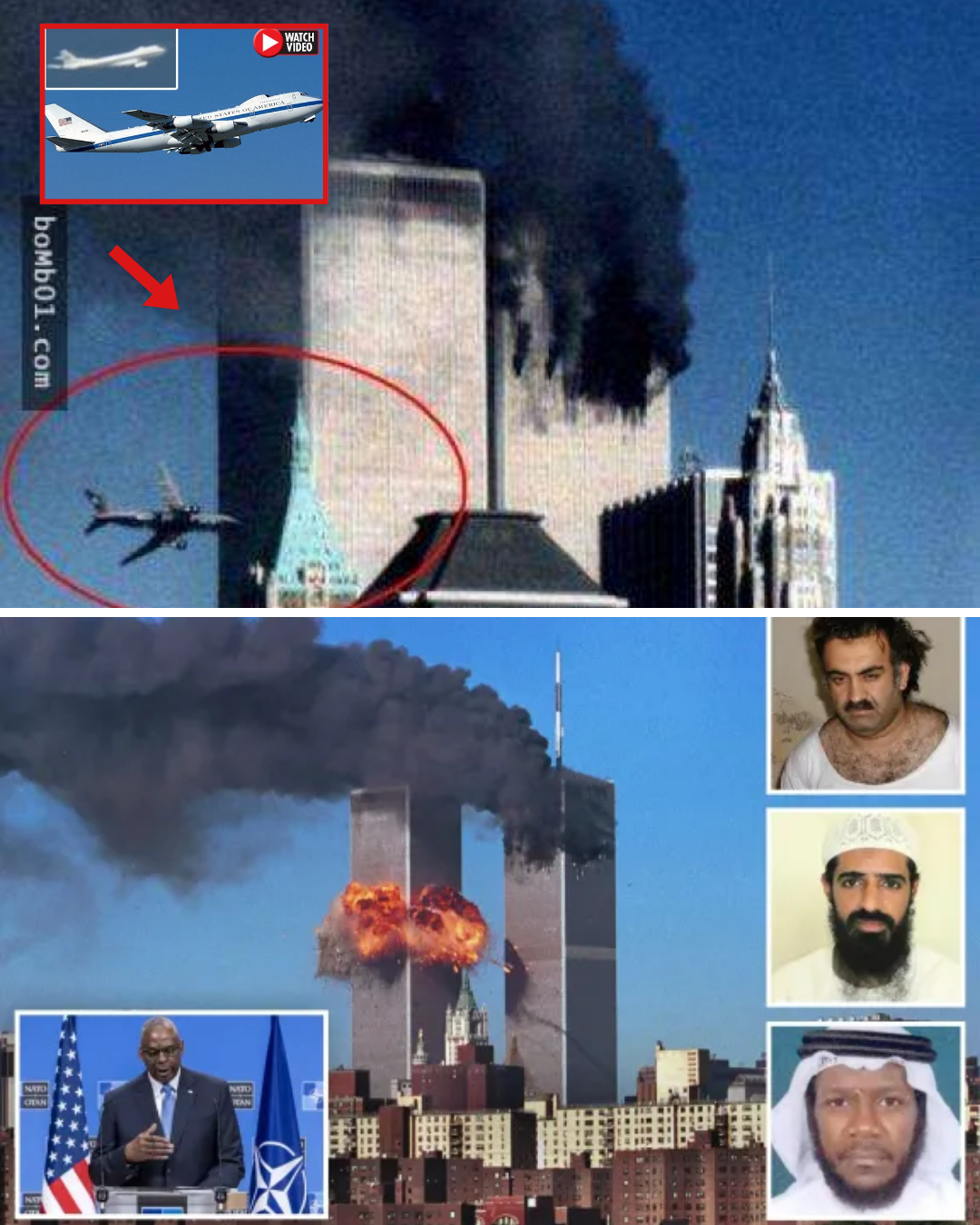
🚨🇺🇸 25 YEARS LATER — THE 9/11 FILES ARE FINALLY OPEN, AND SOME OF THE WARNINGS ARE CHILLING
For 25 years, one question has haunted America:
What did U.S. intelligence officials know before September 11, 2001?
Now, newly declassified documents are giving Americans a closer look at the warnings that reached the highest levels of government in the years leading up to the deadliest terrorist attack on U.S. soil.
And some of the language inside those files is difficult to read.
On Friday, the CIA released 71 Presidential Daily Briefs related to Osama bin Laden and al-Qaeda, including dozens of documents that had remained classified for years.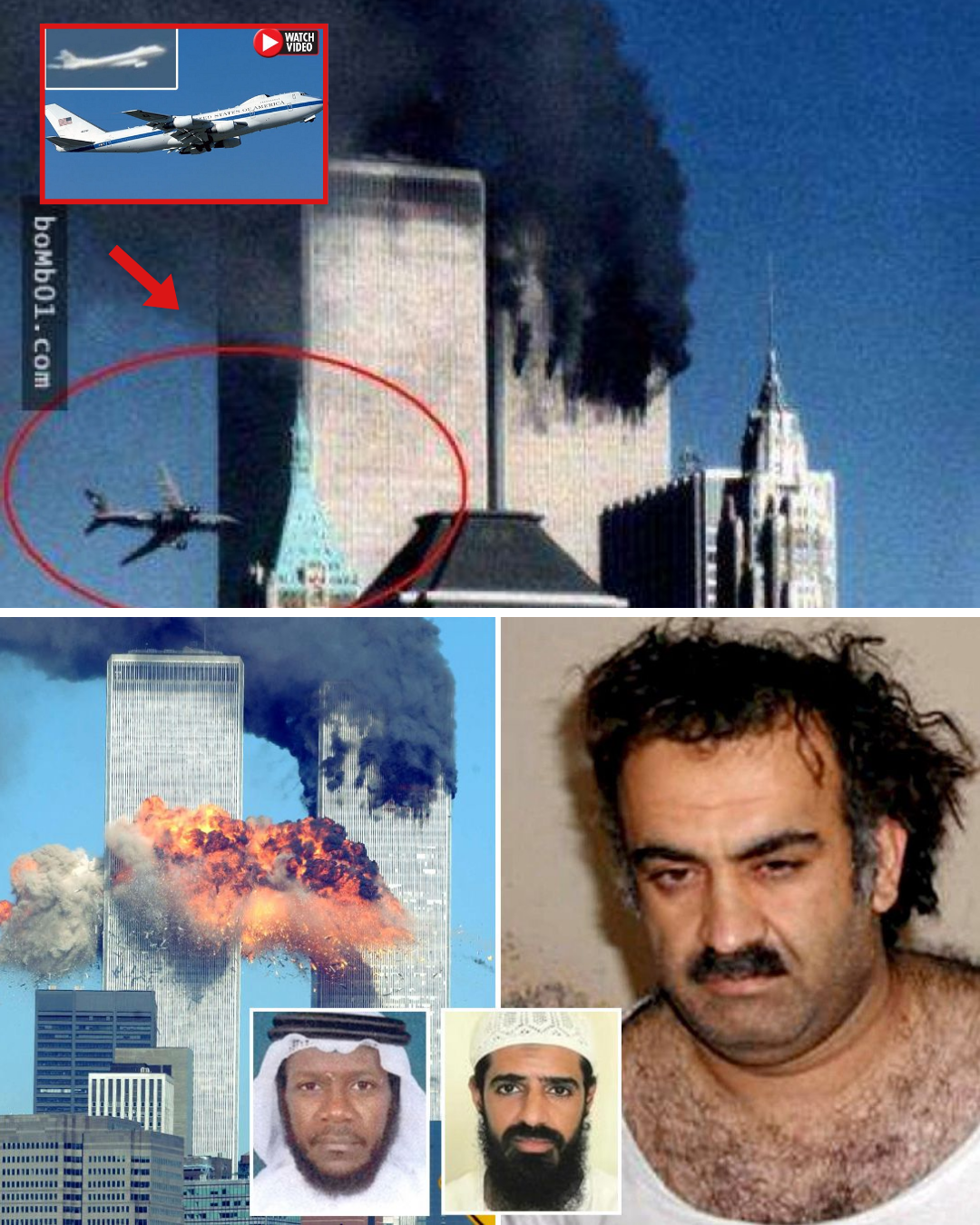
The records show that U.S. intelligence agencies were tracking bin Laden’s intentions long before the Twin Towers fell.
Some warnings date back to 1998 — three full years before 9/11.
One briefing prepared for President Bill Clinton on September 10, 1998, warned that bin Laden’s preferred option was to strike the United States on its own soil.
The briefing also referenced information that the same terrorist network responsible for the U.S. Embassy bombings in Africa might use an explosive-packed airplane to attack an American city.
Then came another warning.
A December 1998 intelligence document carried the ominous title:
“Bin Laden Preparing To Hijack US Aircraft.”
The document said members of bin Laden’s network had received hijacking training and warned that he could be considering other operations against American aircraft.
Even more disturbing, the intelligence reportedly included information that bin Laden might attempt to hijack a U.S. aircraft before the end of that year’s Ramadan.
Two members of the operational team had allegedly managed to evade security checks during what was described as a trial run at an unidentified New York airport.
The warnings continued.
In 2000, intelligence officials reported that a manifesto linked to bin Laden identified potential targets including the Statue of Liberty.
Other intelligence warned of possible attacks on a Washington, D.C., shopping mall.
Then came 2001.
By the summer, the language inside the intelligence reports was becoming increasingly alarming.
The infamous presidential briefing titled:
“Bin Laden Determined to Strike in US”
warned that al-Qaeda members had lived in or traveled through the United States for years and that the organization appeared to have a support structure capable of helping carry out attacks.
The FBI was reportedly conducting approximately 70 full-field investigations inside the United States involving bin Laden by August 2001.
Less than a month later, four commercial airplanes were hijacked.
Two crashed into the World Trade Center.
One struck the Pentagon.
The fourth crashed into a field in Pennsylvania after passengers fought back.
Nearly 3,000 people died.
America was changed forever.
But there is an important distinction in what these newly released documents actually show.
They do not prove that officials knew the exact 9/11 plot.
They do not show that someone had a complete blueprint of the attacks sitting on a president’s desk.
Instead, they reveal something more complicated — and perhaps more painful.
The threat was real.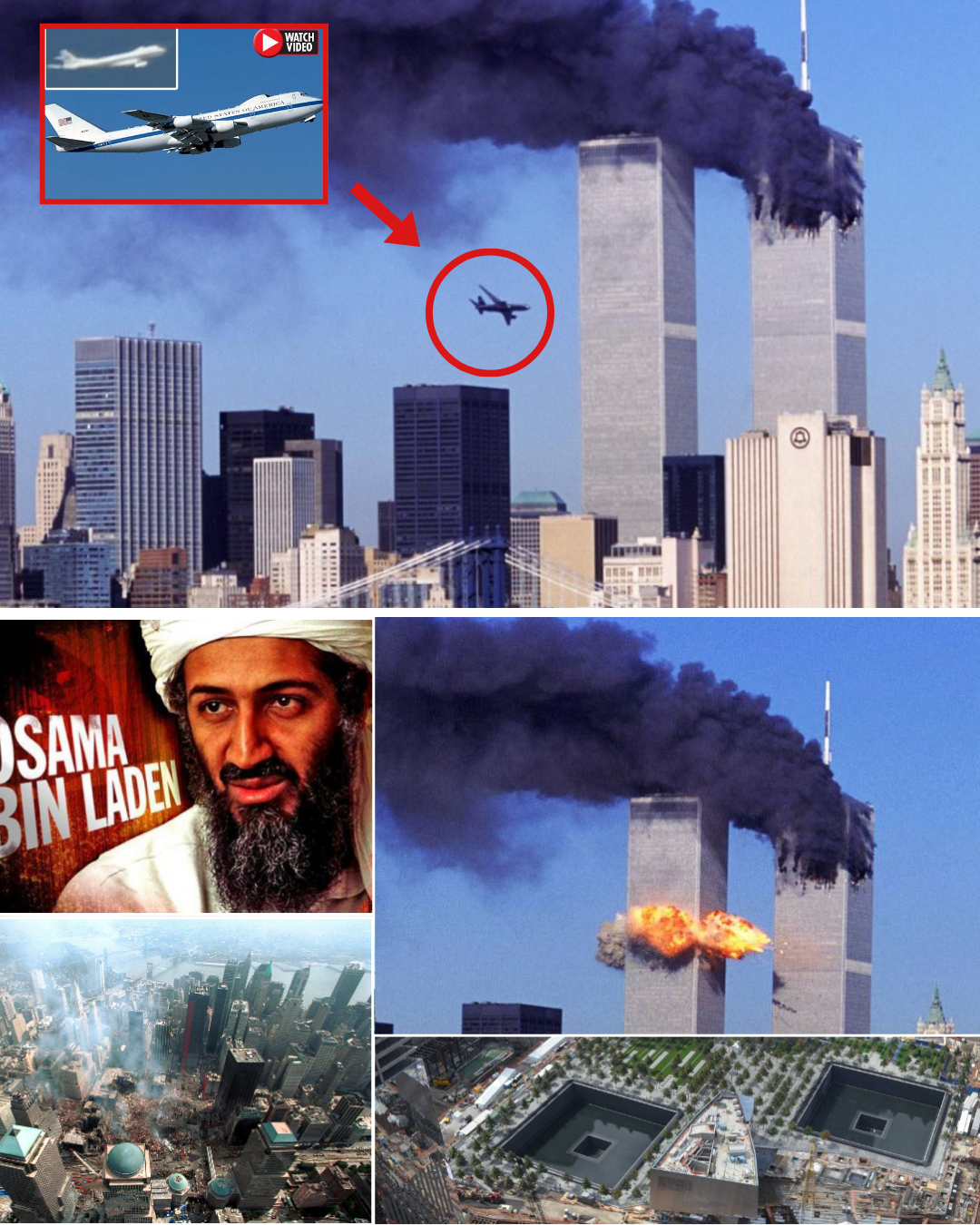
Warnings existed.
Intelligence agencies knew bin Laden wanted to attack the United States.
They knew his organization was interested in hijacking aircraft.
They knew operatives were operating inside the country.
They had information suggesting possible surveillance and preparations.
But the intelligence was fragmented, incomplete and difficult to translate into a precise warning about what was coming.
That failure to connect the dots became one of the defining questions of the post-9/11 investigations.
And 25 years later, Americans are once again reading the words that existed before that terrible morning.
The newly released documents largely reinforce what previous investigations had already concluded rather than completely rewriting the history of 9/11. The Associated Press noted that the files provide additional detail about warnings that were already known, including concerns about hijackings, attacks on U.S. soil and al-Qaeda’s interest in unconventional weapons.
But seeing those warnings in black and white still carries a different weight.
Because hindsight changes everything.
A sentence that may have seemed like another intelligence report in 1998 now reads very differently after September 11.
An alert about hijacked aircraft.
A warning about an attack inside America.
A report about suspicious activity.
A reference to a possible explosive-filled airplane.
And then, three years later, the unimaginable happened.
On the 25th anniversary of the attacks, CIA Director John Ratcliffe said the documents were being released to honor those who lost their lives.
For the families who lost fathers, mothers, sons, daughters, husbands, wives and friends, no document can bring them back.
But every newly opened file adds another piece to the historical record.
And it leaves Americans confronting the same haunting question:
If the warnings were there, could something have been done differently?
That question has no simple answer.
But now, 25 years later, more of the warnings are finally out in the open