He Walked Onto a High School Football Field on Sept. 10. Three Days Later, His Teammates Were Mourning Him.
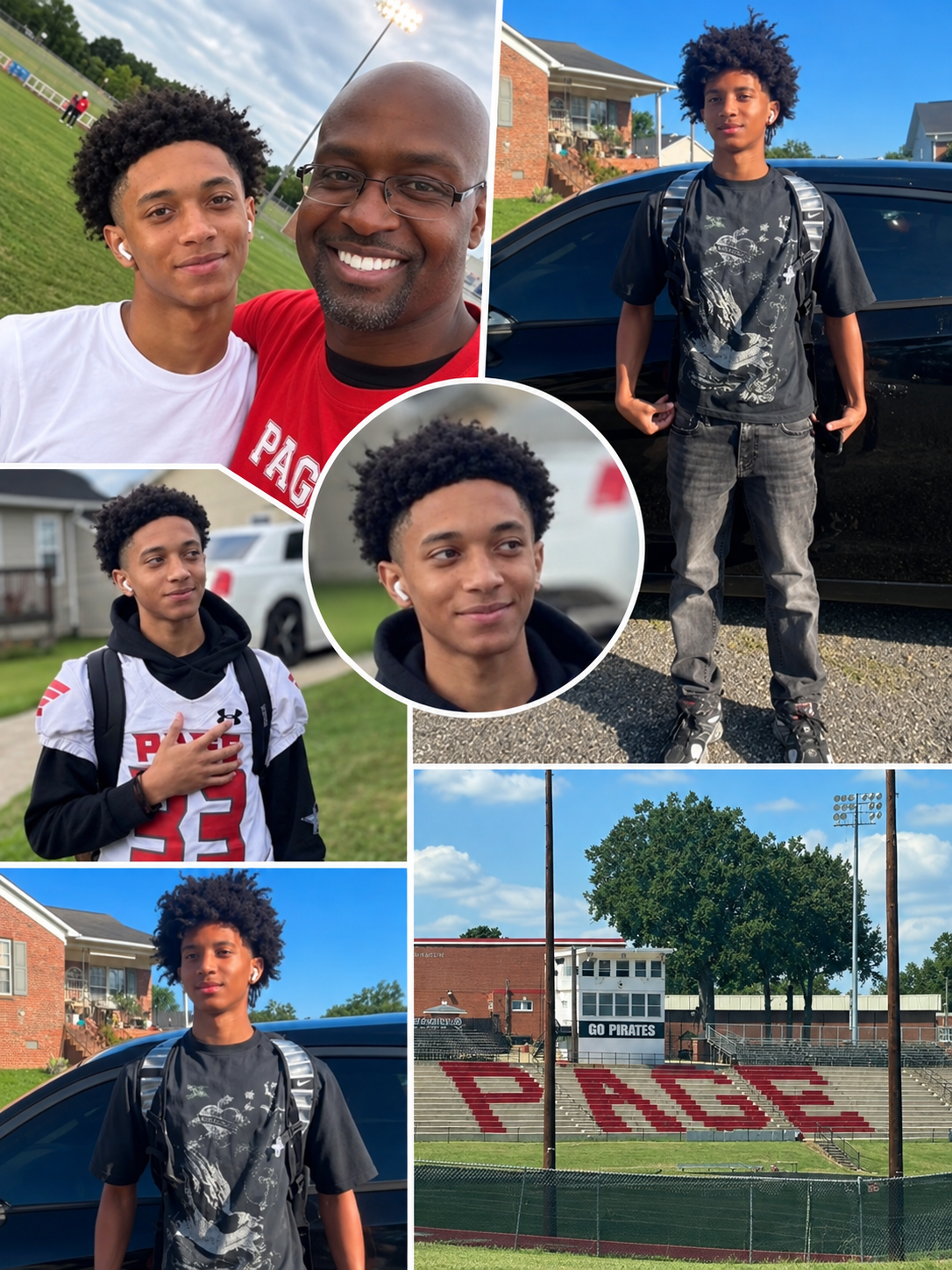
On the evening of September 10, Davion Fewell walked onto the football field at Page High School in Greensboro, North Carolina, as a junior varsity player preparing for a rivalry game against Grimsley High School.
Three days later, his teammates were grieving his death.
Davion, 15, was injured during the game and received immediate medical attention before being transported to a hospital. His family later confirmed that he died on Sunday, September 13.
The specific nature of the injury has not been publicly disclosed.
That unanswered question has surrounded the tragedy from the beginning. School officials have confirmed that Davion was hurt during the game, emergency responders treated him and he was taken to a hospital, but authorities and family members have not released a detailed medical explanation of what happened.
For now, the community has been asked not to speculate.
Instead, Page High School is focusing on the student who was lost.
A candlelight vigil was scheduled for September 17 at the school’s football stadium — the same place where Davion had been playing only a week earlier.
The Page football program invited students, families, coaches and members of the community to fill the stadium and celebrate his life.
“He was truly a great kid and we miss him dearly,” the team said in announcing the gathering.
For players who had shared a field with Davion days earlier, the transition was almost impossible to comprehend.
One Thursday, they were playing football together.
By the following Thursday, they would be standing under stadium lights holding candles for him.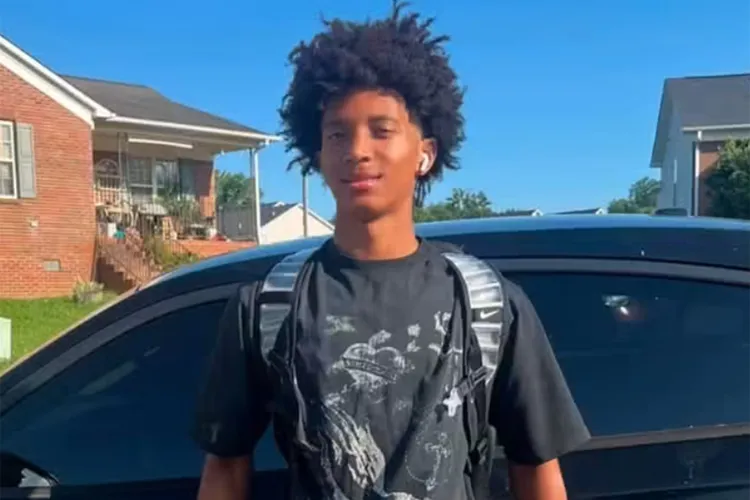
A Rivalry Game Turns Into an Emergency
Page and Grimsley are familiar opponents in Greensboro high school sports.
The September 10 junior varsity game was supposed to be another chapter in that rivalry.
Instead, the competition became secondary when Davion was injured.
Emergency medical services were dispatched to the school that evening. Officials said Davion received medical treatment at the scene before being transported to the hospital.
The school district has not described the play during which he was injured or released the medical details of his condition.
That has left many people asking the same questions.
What exactly happened?
Could anyone have known how serious it was at the time?
Was there something unusual about the injury?
At this stage, those questions do not have public answers.
Officials continue to review the circumstances surrounding the incident.
That uncertainty matters because sudden deaths involving young athletes can quickly generate rumors, especially when a child is injured during contact sports.
But there is currently not enough verified information to conclude precisely what caused Davion’s death beyond the fact that he suffered an injury during the football game and later died after being hospitalized.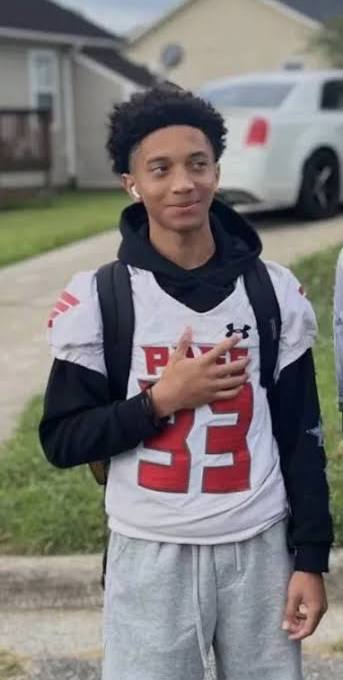
Grief Arrives at Page High School
When word of Davion’s death reached Page High School, the district activated crisis support for students and staff.
Counselors and members of the school district’s crisis team were made available on campus.
For teenagers, losing a classmate can be particularly difficult to process.
The person whose name was called during attendance, who walked the same hallways and who dressed for football practice can suddenly become the subject of memorial posts and moments of silence.
For Davion’s teammates, the grief carries another dimension.
They were there when the injury happened.
Many of them had likely prepared for the game alongside him, shared the sideline with him and expected to see him return to practice.
Instead, three days later, they were being told that one of their teammates was gone.
Page High School officials expressed condolences not only to Davion’s family but also to his teammates, coaches and classmates.
The football program urged the community to keep everyone affected by his death close in their thoughts.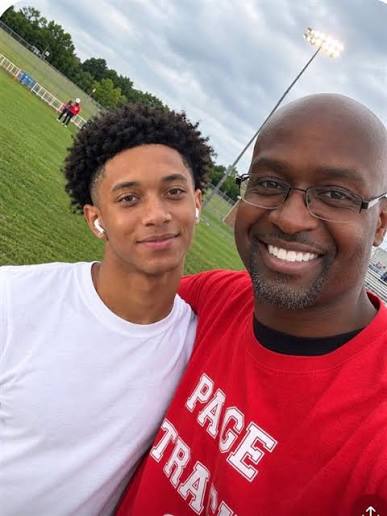
The Rival School Reaches Across the Field
Grimsley High School also publicly expressed support for Page after Davion’s death.
The significance was difficult to miss.
Grimsley was the team Page had been playing when Davion was injured.
On the scoreboard, the two schools were rivals.
After the tragedy, that rivalry disappeared.
Grimsley’s football community sent condolences to the Page family, emphasizing that the loss of a student at one school affects people throughout the larger community.
Then the connection became even more tangible.
A charitable foundation associated with one of Grimsley’s most prominent football alumni offered to help Davion’s family pay for his funeral.
An NFL Player’s Foundation Steps In
D.J. Reader grew up in the Greensboro area and played football at Grimsley High School before eventually reaching the NFL.
Now a professional defensive lineman, Reader has maintained ties to his hometown through a charitable organization known as the A Son Never Forgets Foundation.
After Davion’s death, the organization announced that it would cover his funeral and burial expenses.
The gesture brought two rival football communities together in an unexpected way.
Davion had been playing for Page against Grimsley when he was injured.
Days later, a foundation created by one of Grimsley’s former stars was helping his family prepare to bury him.
For Davion’s relatives, the support cannot erase the loss.
But funeral costs can become an additional burden for families already experiencing sudden grief.
By stepping in, the foundation removed at least one practical worry during a week in which the family was facing circumstances no parent expects to confront.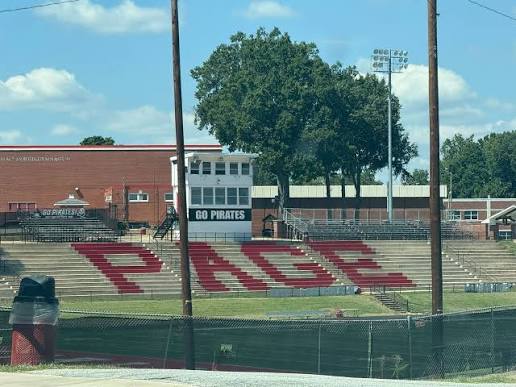
More Than a Football Player
Public tributes have described Davion as more than an athlete.
He was a Page High School student, a member of the junior varsity football team and also participated in track.
Friends and relatives remembered him as a bright presence whose personality reached beyond sports.
Page’s football program called him a great kid.
Other remembrances described him as a young person with a beautiful spirit who touched many lives.
Those details are important because tragedies involving student-athletes can easily reduce a teenager’s identity to the final moment of his life.
Davion was not simply “the football player who was injured.”
He was a son.
A family member.
A friend.
A student who had classes to attend and teammates expecting him at practice.
He was 15 years old, with far more life ahead of him than behind him.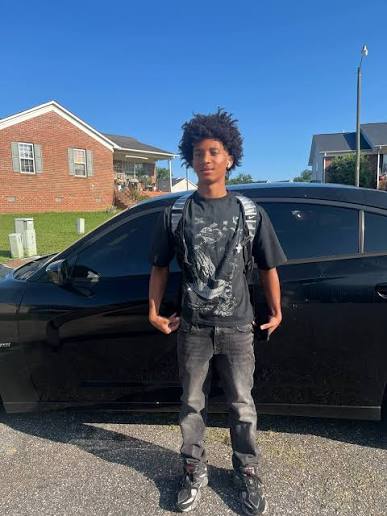
The Stadium Will Look Different on September 17
The candlelight vigil was scheduled for 7:30 p.m. at Page High School’s football stadium.
The location gives the gathering particular emotional weight.
A week earlier, the stadium had been filled with the familiar sounds of high school football — whistles, helmets, coaches calling instructions and students cheering.
On September 17, the same space would be used for something entirely different.
Candles instead of competition.
Memories instead of plays.
A community gathering not to watch Davion play, but to acknowledge that he would never play there again.
The school asked people to come together in celebration of his life and to support the family, teammates, friends and staff affected by his death.
For many students, it will likely be the first time they return to the field since the tragedy.
A Community Still Waiting for Answers
Davion’s death comes with grief, but also uncertainty.
The precise details of the injury have not been made public.
Authorities continue reviewing what happened.
That means there may eventually be more information about the medical circumstances or the sequence of events during the game.
Until then, the most responsible account remains limited to what has been confirmed.
Davion was injured during a junior varsity football game on September 10.
He received medical treatment and was transported to a hospital.
His family says he died three days later, on September 13.
He was 15.
The rest remains under review.
For the people who loved him, however, the timeline is painfully simple.
On Thursday, Davion put on his football uniform and walked onto a field with his teammates.
By Sunday, he was gone.
And four days after that, those same teammates were preparing to return to the stadium — not for another game, but to light candles in his memory.