Wade Wilson: The “Death Row Heartthrob” and the Internet Obsession That Refuses to Disappear
Wade Wilson: The “Death Row Heartthrob” and the Internet Obsession That Refuses to Disappear
He was convicted of killing two women.
He was sentenced to death.
And yet, years later, his face continues to circulate across social media — not only in crime discussions, but in videos, edits, comments and posts from people who say they are fascinated by him.
Some call him a “death row heartthrob.”
Others simply cannot understand why anyone would feel attracted to a man convicted of two murders.
The strange online fascination surrounding Wade Wilson has become almost a story of its own.
But beneath the viral photographs, TikTok videos and thousands of online reactions is a much darker question:
Why can someone accused and convicted of horrific violence become an object of fascination — even attraction — on the internet?
Two murders changed everything
Wade Wilson’s name became nationally known after his conviction in Florida for the murders of Kristine Melton and Diane Ruiz, two women killed in October 2019.
The case shocked investigators and the public because of the violence described during the prosecution.
Wilson was ultimately convicted of both murders.
In August 2024, a Florida judge sentenced him to death for the killings after jurors recommended the death penalty in both cases.
The legal proceedings established one reality:
Two women had lost their lives.
Two families had been left with permanent grief.
And Wilson became a prisoner on Florida’s death row.
But outside the courtroom, another story was developing.
Then social media discovered him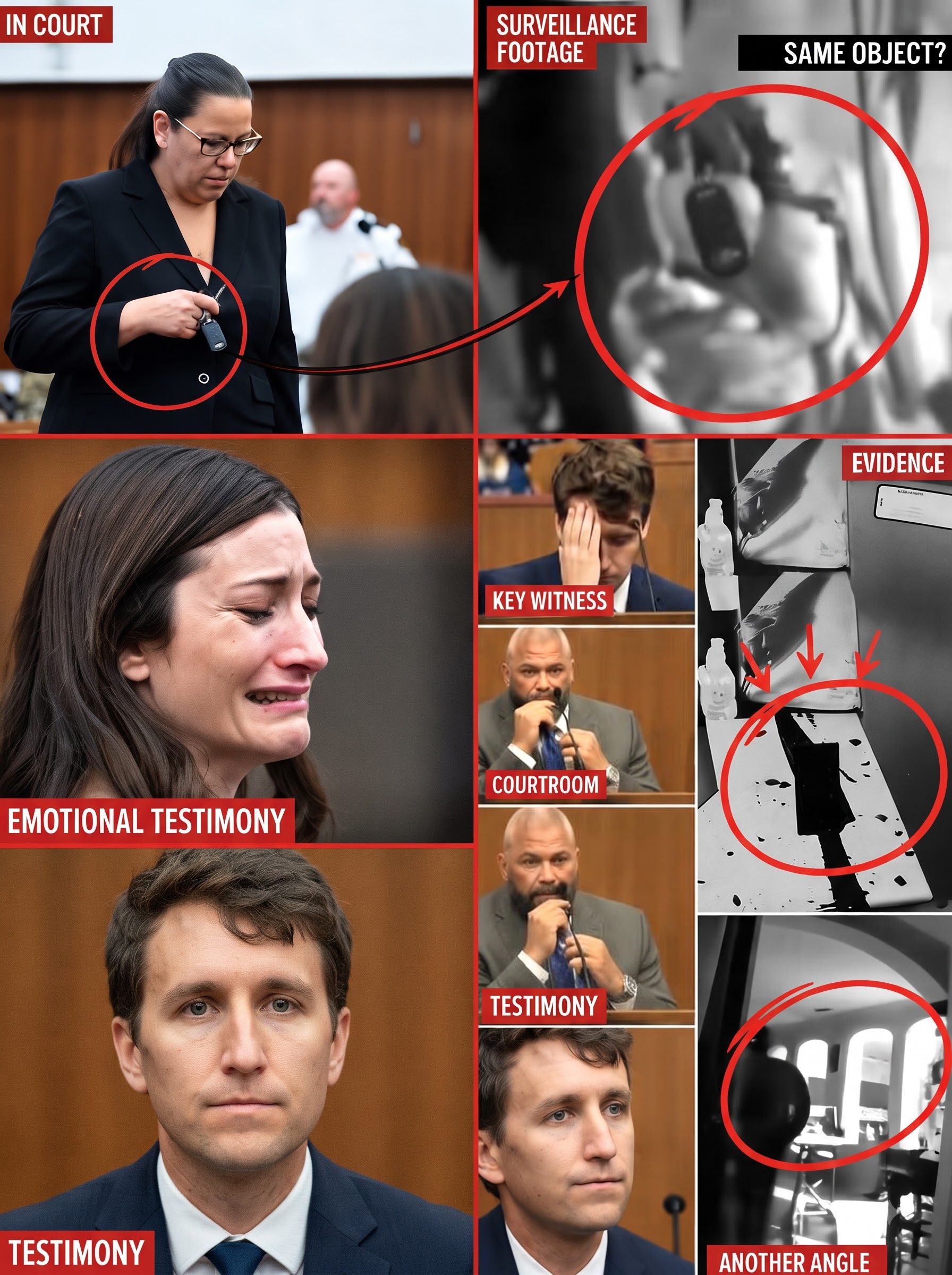
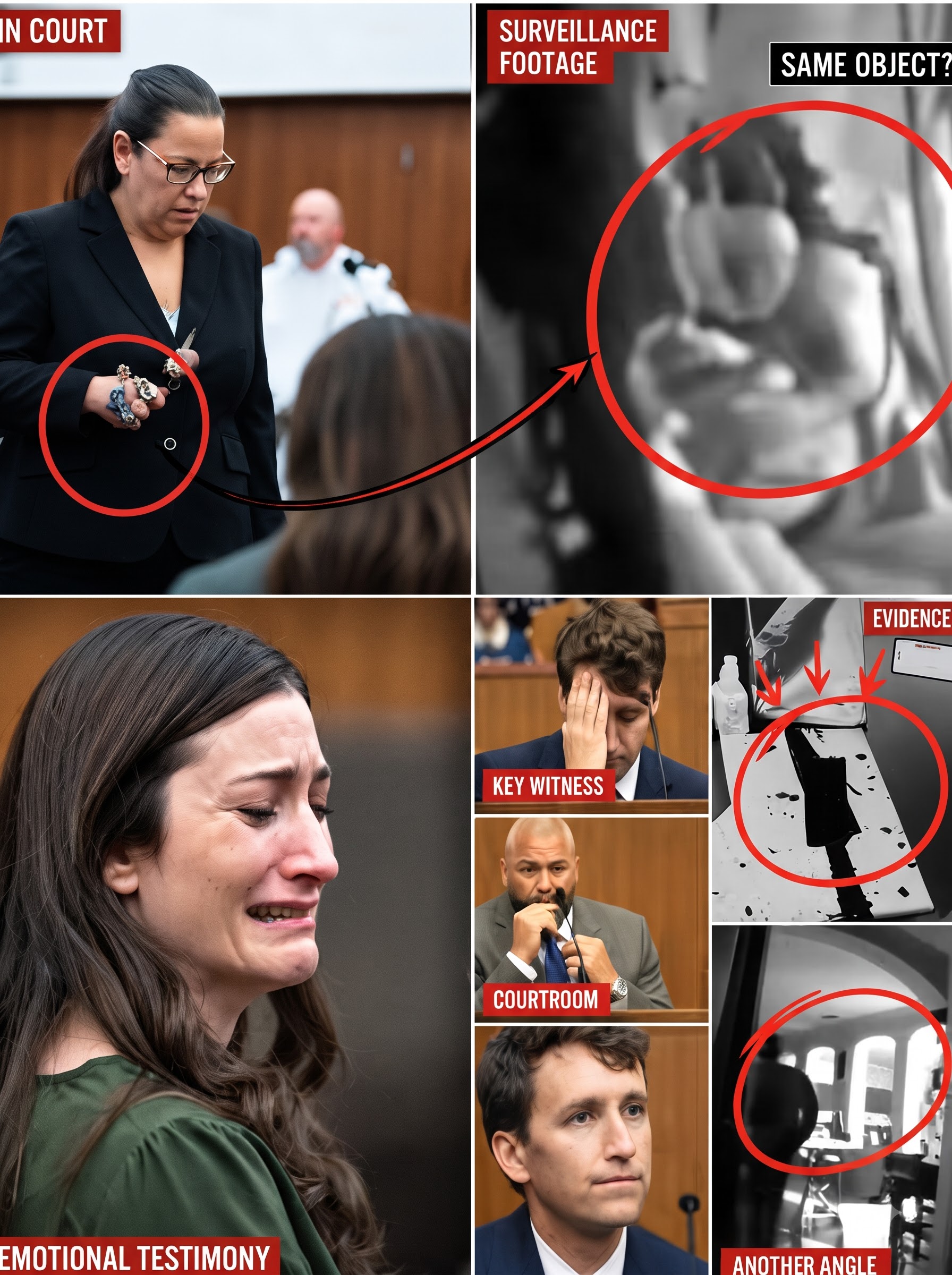
As photographs and courtroom footage spread online, Wilson began attracting attention that had little to do with the victims or the legal arguments.
People commented on his appearance.
Videos were edited around his photographs.
Some women publicly expressed attraction to him.
Some supporters described themselves as his “wives.”
And letters began arriving.
The phenomenon became difficult to separate from the broader culture of true-crime social media, where notorious criminals can become recognizable personalities.
The more people watched, the more content appeared.
The more content appeared, the more people became curious.
And curiosity created another cycle of attention.
The uncomfortable word: hybristophilia
One term frequently appears whenever people discuss romantic or sexual attraction toward notorious criminals:
hybristophilia.
Broadly, the term refers to attraction toward people who have committed crimes or demonstrated seriously antisocial behavior.
But it is important not to turn the word into a diagnosis for everyone who follows a notorious criminal online.
Not everyone watching a crime documentary is attracted to the offender.
Not everyone commenting on a criminal’s appearance is romantically interested.
And not every person who writes to a prisoner shares the same motivation.
Human behavior is more complicated than a single label.
For some people, fascination may come from the perceived danger.
For others, it may involve the fantasy of being the person who can “change” someone.
For others, repeated exposure to a face through social media can create a strange sense of familiarity with someone they have never met.
That is where the internet changes the equation.
When a criminal becomes a character
Social media does something traditional news coverage cannot do as easily.
It allows audiences to interact continuously with an image.
A photograph can be reposted.
A courtroom clip can be edited.
A comment can generate thousands of replies.
A TikTok can turn a criminal case into a trend.
Soon, the individual at the center of the case can begin to look less like a defendant or prisoner and more like an online celebrity.
That transformation can be unsettling.
Because the original event does not change.
The victims are still dead.
The convictions still exist.
The families still live with the consequences.
But the online conversation can gradually shift toward the person who committed the crime.
The power of the photograph
One of the most revealing aspects of the Wade Wilson phenomenon is how heavily visual it has become.
People encounter a photograph before they encounter the entire case.
They see a face.
Then another photograph.
Then a courtroom clip.
Then a TikTok edit.
Then comments discussing his appearance.
The human brain naturally responds to faces.
But context matters.
A photograph can show what someone looks like.
It cannot show the totality of what happened in a criminal case.
It cannot show the victims’ final moments.
It cannot show the pain experienced by their families.
And it cannot tell viewers whether the person in the photograph deserves admiration.
Yet social media is built around images.
That creates a powerful disconnect.
The “I can change him” fantasy
One recurring explanation for attraction to dangerous people is the fantasy that a relationship could transform them.
The idea appears repeatedly in popular culture:
Maybe he is different with me.
Maybe I understand him.
Maybe I can save him.
Maybe the person everyone else sees isn’t the person I would know.
For someone on the outside, that fantasy can feel romantic.
But criminal cases involve facts that exist independently of the fantasy.
A relationship imagined through photographs and social-media posts is not the same thing as knowing someone privately.
That distinction becomes particularly important when the person being idealized has been convicted of violent crimes.
Why the internet makes the phenomenon bigger
Before social media, fascination with notorious criminals was largely limited to books, television, magazines and documentaries.
Today, the relationship can be continuous.
A person can see the same criminal’s face every day.
They can comment on videos.
They can join fan communities.
They can argue with people who criticize the offender.
They can send letters.
They can create edits.
And algorithms can continue recommending similar content.
This can create what feels like familiarity.
But familiarity is not intimacy.
Seeing someone’s face hundreds of times does not mean you know them.
And knowing the public story of a criminal does not mean knowing the private person.
Thousands of messages
The volume of attention surrounding Wilson became another remarkable part of the case.
Reports during the trial period described thousands of messages arriving for him, including photographs and correspondence from admirers.
Some of the attention was explicitly romantic.
Some people pleaded for his life.
Others appeared fascinated by his appearance or personality.
The numbers themselves became part of the story.
And that created another uncomfortable question:
At what point does true-crime fascination become celebrity culture?
There is no single number that answers that question.
But the boundary becomes harder to see when the criminal receives fan mail, social-media edits and romantic attention.
Meanwhile, the victims remain at the center of the real story
It is easy to forget this when a case becomes viral.
Kristine Melton had a life before her name appeared in headlines.
Diane Ruiz had a life before the crime.
They had people who knew them.
People who loved them.
People who expected to see them again.
Their families did not choose to become part of a viral true-crime story.
They simply lost someone.
That difference matters.
For an online audience, a criminal case can be consumed in minutes.
For a victim’s family, the consequences do not end when the video stops playing.
Death row does not mean the story is over
Wilson’s death sentences did not result in an immediate execution.
Capital cases involve appeals and post-conviction proceedings, meaning a death sentence can remain within the legal system for years.
That means Wilson’s name can continue appearing in news reports and online discussions.
And every new development can trigger another wave of social-media attention.
The cycle continues:
A legal update.
A new video.
A photograph.
A reaction.
Another argument.
Another viral post.
Another reminder that the internet has not forgotten him.
The bigger question
The most interesting part of the Wade Wilson phenomenon may ultimately have less to do with Wilson himself than with the culture surrounding notorious criminals.
Why do some violent offenders become objects of fascination?
Why do appearance and personality sometimes receive more attention than the victims?
Why can repeated exposure make an unfamiliar person feel strangely familiar?
And why does social media amplify some of the darkest stories in ways that traditional media never could?
There are no simple answers.
Human attraction is complicated.
True-crime fascination is complicated.
And social-media algorithms are complicated.
But the Wilson case demonstrates one uncomfortable reality:
Being infamous can make someone famous.
And once someone becomes famous, the internet can create an audience for almost anything.
Two stories exist at the same time
There is the courtroom story.
A man was convicted of two murders and sentenced to death.
Then there is the internet story.
A convicted murderer became the subject of romantic fascination among some online followers.
Those two stories can exist simultaneously.
But they should not be confused.
The viral edits do not erase the convictions.
The photographs do not erase the victims.
And fascination does not change what a court found.
Perhaps that is the most important thing to remember when another Wade Wilson video appears on a screen.
Before the comments.
Before the edits.
Before the arguments about his appearance.
There were two women.
Two lives.
And two families whose lives changed forever.
The internet may continue watching Wade Wilson.
But the real story began with the women whose lives were taken.