THE OVERLOOKED DETAIL IN THE LINDSAY CLANCY CASE — A SMALL MOMENT THAT COULD CHANGE HOW THE TIMELINE IS UNDERSTOOD
THE OVERLOOKED DETAIL IN THE LINDSAY CLANCY CASE — A SMALL MOMENT THAT COULD CHANGE HOW THE TIMELINE IS UNDERSTOOD
For years, one question has remained at the center of the Lindsay Clancy case:
What exactly happened inside the Clancy home during the critical hours before Patrick Clancy returned?
The answer may appear to be contained in a timeline that has already been examined countless times.
But after a six-week murder trial ended without a verdict, attention is once again turning to the smallest details — including moments that may have seemed insignificant when they were first presented.
And one detail in particular raises a question:
Was the timeline as simple as it initially appeared?
Lindsay Clancy has never disputed that she killed her three children, Cora, Dawson and Callan, on January 24, 2023. The central issue at trial was not whether the children died at her hands, but whether she was criminally responsible for their deaths.
Her defense argued that she was suffering from postpartum psychosis and that psychiatric treatment and medication contributed to a severe deterioration in her mental state.
Prosecutors presented a fundamentally different interpretation, arguing that Clancy knew what she was doing and deliberately carried out the killings.
After weeks of testimony, the jury could not reach a unanimous verdict.
On September 4, Judge William Sullivan declared a mistrial.
That alone changed the trajectory of the case.
But what happened afterward may have made the timeline even more important.
THE HOURS BEFORE PATRICK CAME HOME
Patrick Clancy’s testimony provided one of the most detailed accounts of the final hours before the tragedy was discovered.
According to his testimony, Lindsay spent the day at home with the children while Patrick worked from his basement office.
Earlier that morning, Lindsay had driven their daughter Cora to a medical appointment.
Later, Patrick said he received photographs showing the children engaged in ordinary activities.
At approximately 4:53 p.m., Lindsay texted Patrick about getting takeout.
A few minutes later, the two discussed their dinner orders.
Patrick then left the house to pick up the food and medication.
That seemingly ordinary errand became one of the most important pieces of the prosecution’s timeline.
Patrick testified that he spoke with Lindsay while he was away.
She sounded quiet, he said, and he assumed she was busy with the children.
Then he returned home.
And everything changed.
THE HOUSE WAS QUIET
Patrick testified that when he walked into the house, something immediately felt wrong.
The home was unusually quiet.
He called out.
There was no response.
He eventually discovered the bedroom door locked and saw blood.
Outside, he found Lindsay after she had jumped from a second-story window.
He then went to the basement.
There he found his children.
The 911 call that followed became one of the most emotionally significant pieces of evidence in the trial.
But the timeline itself is important for another reason.
Every minute between Lindsay’s last known interactions with Patrick and his return potentially matters.
Not because one isolated moment necessarily proves anything.
But because the sequence of events was central to both sides’ arguments.
THE “SMALL” DETAILS BECAME BIG DETAILS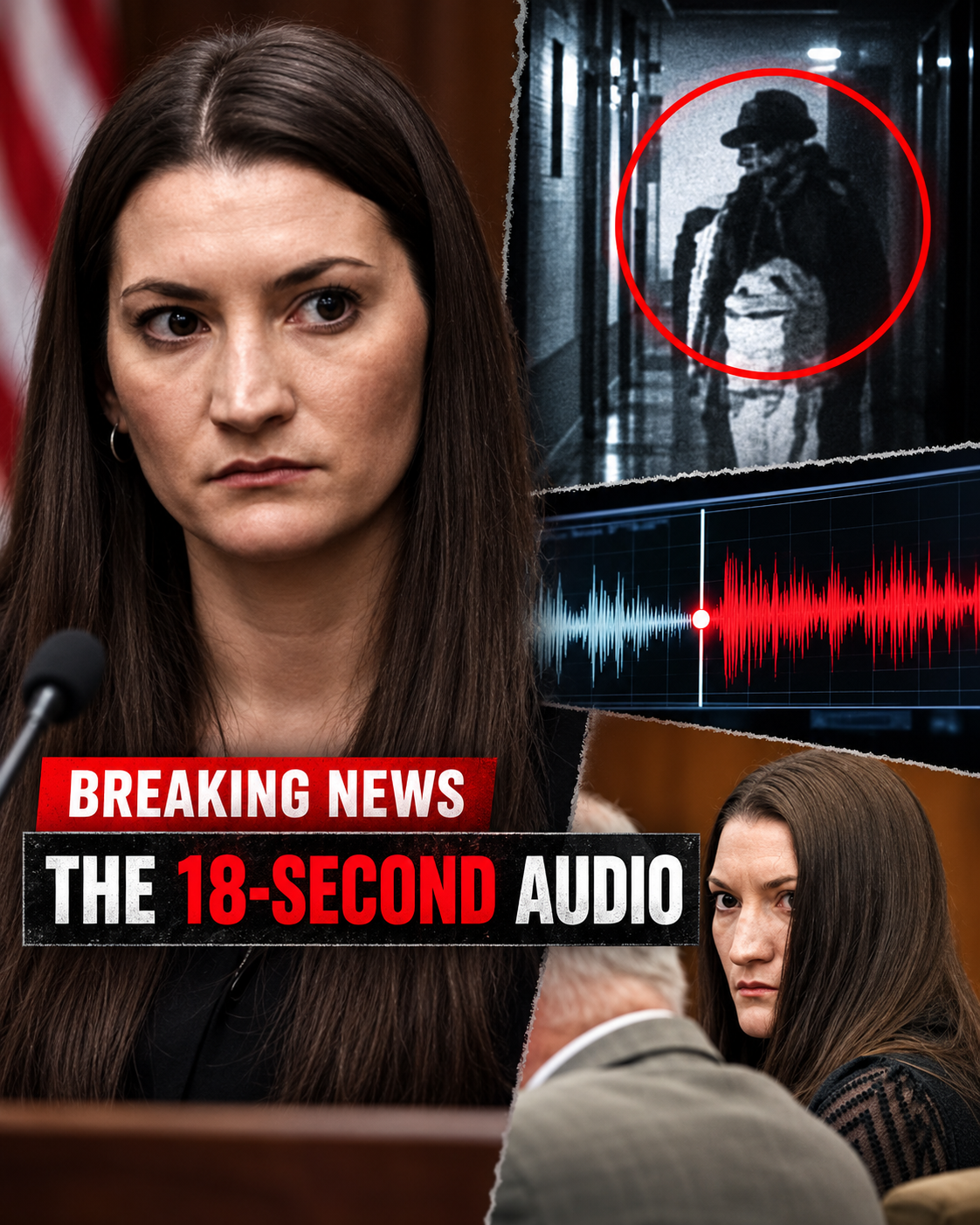
During the trial, jurors heard extensive testimony about Lindsay’s behavior, her medications, her psychiatric treatment, her statements about hearing a voice, and what she allegedly believed was happening to her.
But the prosecution and defense interpreted many of those same facts differently.
The defense emphasized deterioration, medication and postpartum psychosis.
The prosecution pointed to evidence it said showed planning and awareness.
That meant the timeline could not simply be separated from the question of mental state.
What happened before the killings?
What happened during them?
And what happened immediately afterward?
Those questions were intertwined.
The jury ultimately spent nearly 40 hours deliberating before telling the court it could not reach a unanimous decision.
THEN CAME THE JURY ROOM REVELATIONS
After the mistrial, several jurors began speaking publicly about what happened during deliberations.
Their accounts revealed just how sharply divided the panel had become.
According to the foreperson, 11 jurors were prepared to find Clancy not guilty by reason of insanity, while one juror would not agree.
Another juror later said he had no doubt about his own conclusion and believed the evidence showed that Clancy knew what she was doing.
Those accounts do not establish what a future jury will decide.
But they reveal something important:
The evidence did not produce a single interpretation among the jurors.
That matters because a retrial, if prosecutors pursue one, would place many of these same facts before a completely different jury.
ONE DETAIL ABOUT THE CRIME SCENE ALSO BECAME A POINT OF CONTENTION
One juror reportedly focused heavily on the amount and appearance of blood at the crime scene.
Other jurors said the issue became a source of disagreement during deliberations.
That disagreement is significant because crime-scene evidence can be interpreted very differently depending on the assumptions made about sequence, movement and timing.
But it is equally important not to turn that disagreement into proof that the original investigation was wrong.
The jurors themselves disagreed.
Experts testified.
Both sides presented competing interpretations.
And ultimately, the jury could not reach the unanimous result required for a verdict.
SO, WHAT DOES THE TIMELINE ACTUALLY TELL US?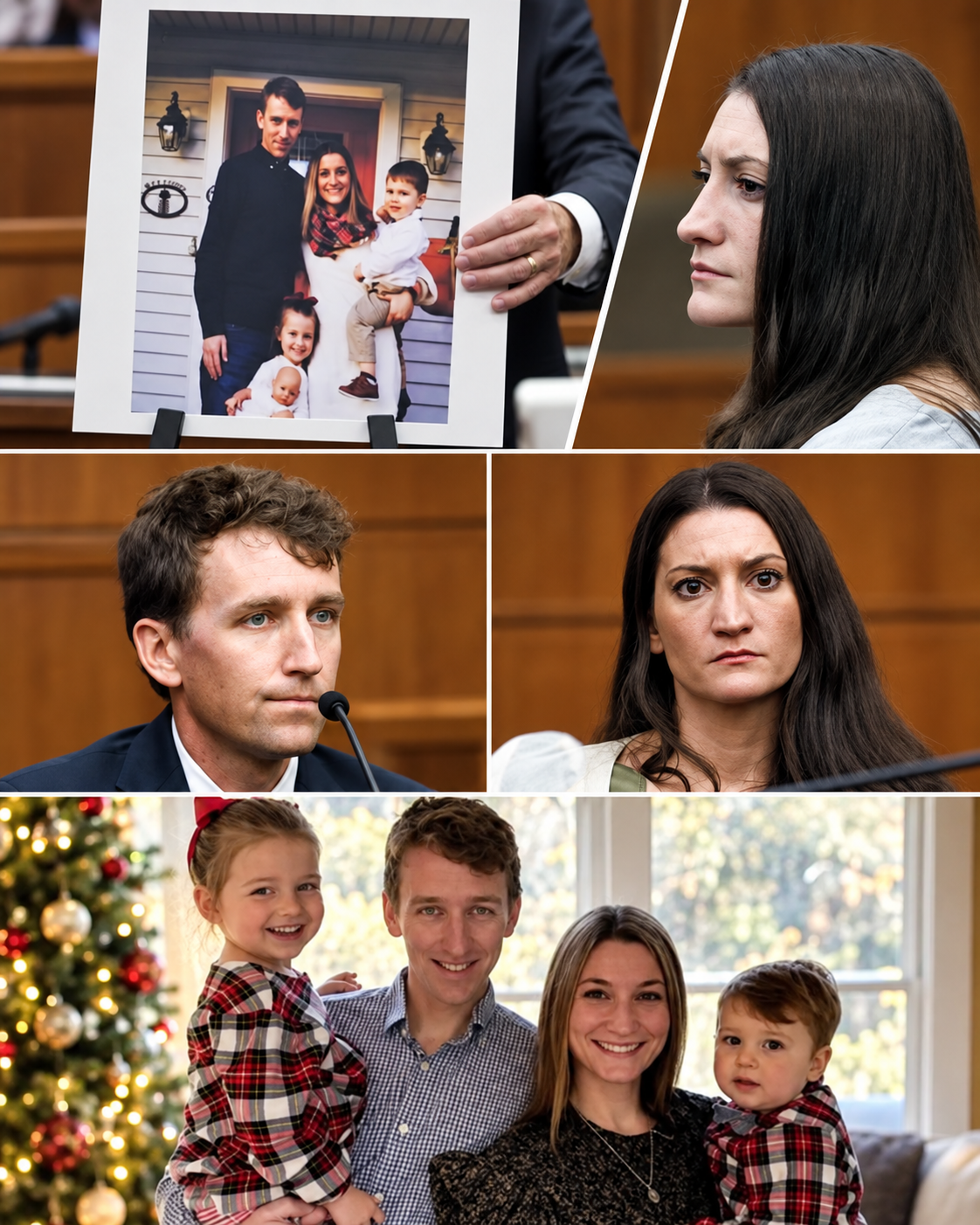
The timeline establishes several important events.
Patrick left the home to pick up food and medication.
He communicated with Lindsay while away.
He returned to an unusually quiet house.
He discovered blood and then found Lindsay outside.
He eventually discovered the children in the basement.
Those facts were presented through testimony and evidence during the trial.
What the timeline does not, by itself, answer is the most difficult question:
What was Lindsay Clancy’s mental state at each moment?
That was the central battle between the prosecution and defense.
And that question is precisely why seemingly small details became so important.
THE CASE IS FAR FROM OVER
The mistrial did not end the criminal case.
Clancy’s attorney has said he intends to seek dismissal on double-jeopardy grounds, arguing that the mistrial did not meet the legal standard of “manifest necessity.” A hearing is scheduled for September 29.
At the same time, prosecutors have not simply received a verdict of acquittal.
There was no verdict.
There was no unanimous finding of criminal responsibility.
And there was no unanimous finding of not guilty by reason of insanity.
Instead, the case ended in a legal deadlock.
That leaves the next chapter unresolved.
THE QUESTION PEOPLE ARE NOW ASKING
Perhaps the most important lesson from the trial is that the case cannot be reduced to a single photograph, a single statement, a single piece of medical evidence or one moment on the timeline.
The jury heard weeks of testimony.
Psychiatrists disagreed.
Experts disagreed.
Jurors disagreed.
And now, after the mistrial, even the interpretation of what happened inside the jury room has become part of the public discussion.
That brings the focus back to the timeline.
Not because one overlooked detail has suddenly solved the case.
It hasn’t.
But because when a jury cannot agree after weeks of testimony, the smallest details can become the very points investigators, lawyers and future jurors examine again.
What happened during those critical hours?
Which details actually establish the sequence of events — and which are interpretations built around it?
And perhaps most importantly:
If Lindsay Clancy faces another trial, will a new jury see the same timeline the same way?
For now, there is no final answer.
The September 29 hearing could become the next major turning point.
And after everything that happened during the first trial, even the smallest details may receive a much closer look the second time around.