The Treatment That Saved Jake Once Later Gave Him Another Cancer. Then His 14-Year-Old Brother Saved His Life.
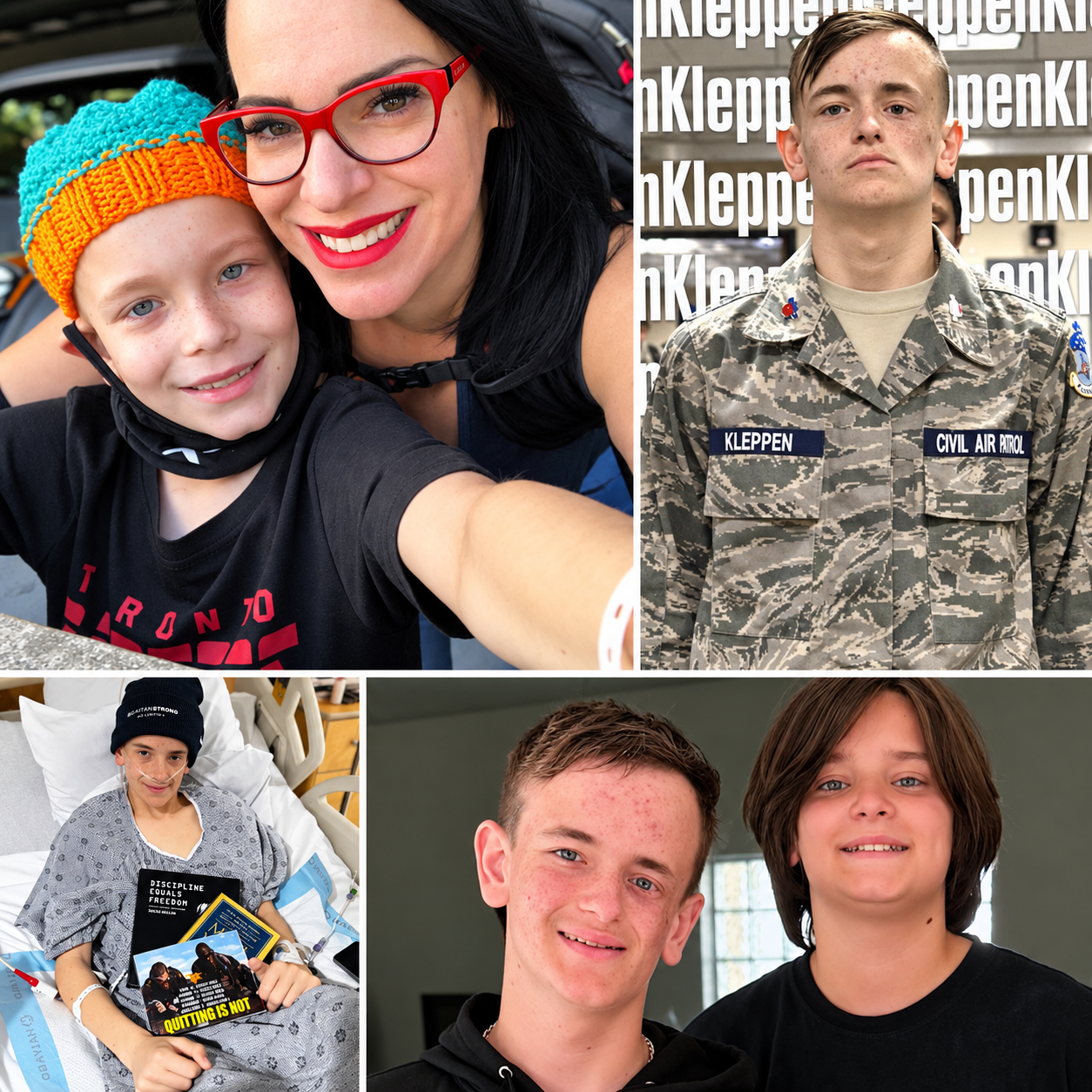
When Jake Kleppen was 8 years old, cancer entered his life without warning.
A routine visit to the pediatrician in September 2019 quickly turned into something much more serious after doctors noticed swelling around his left eye. Within days, Jake and his family were facing a diagnosis no parent expects to hear: Ewing sarcoma, an aggressive cancer that affects bone and soft tissue.
The disease was stage 3.
Jake began a long treatment journey that included 11 months of chemotherapy and about six weeks of proton radiation.
It was physically exhausting.
It disrupted school.
It changed his childhood.
But the treatment worked.
By June 2020, Jake had completed therapy and begun the slow process of rebuilding a normal life.
For nearly five years, his family moved toward the milestone every pediatric cancer family dreams about: the point when doctors could look back at years of clean scans and begin using the word “survivor.”
Jake almost made it.
Then, in January 2025, his family received another devastating diagnosis.
This time it was not Ewing sarcoma.
Jake had B-cell acute lymphoblastic leukemia.
Even more difficult to understand was what doctors believed had caused it.
The chemotherapy that had helped save his life years earlier had also increased his risk of developing a second cancer.
Now, at 14, Jake had to fight cancer all over again.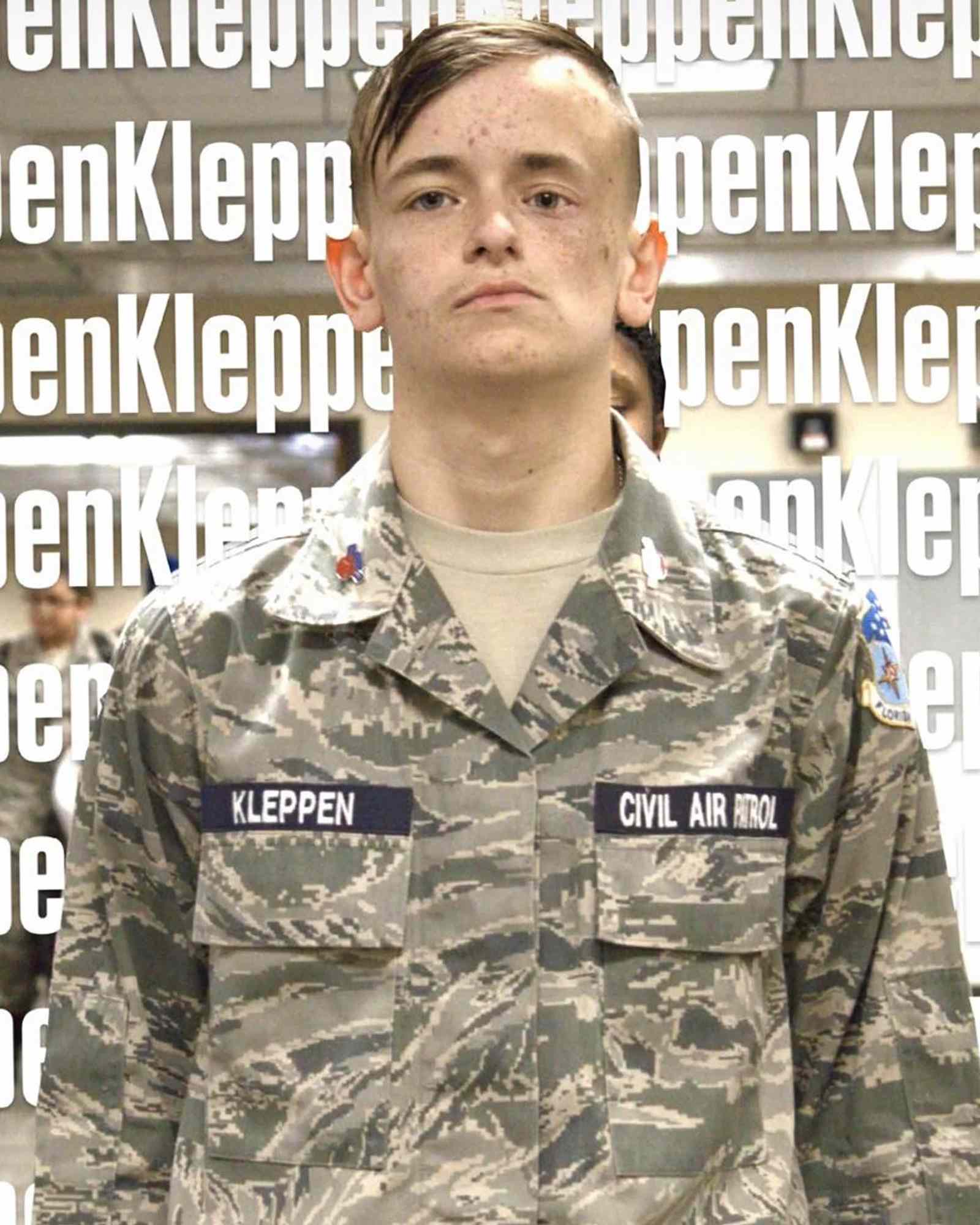
The Cancer Was Different, but the Fear Was Familiar
Jake had spent years trying to leave hospitals behind.
He was a history-loving teenager looking forward to ordinary things: an eighth-grade trip to Washington, D.C., a school dance and eventually starting high school.
Instead, he was told he would miss them.
Once again, his life became centered around treatment schedules, blood counts and hospital rooms.
Doctors initially treated the leukemia with chemotherapy.
But this time, Jake did not respond the way everyone had hoped.
By March 2025, the medical team changed direction.
They turned to immunotherapy, including a targeted medication designed to help the immune system identify and attack leukemia cells.
The goal was to push Jake’s disease into remission long enough for the next critical step.
He needed a bone marrow transplant.
Without one, his options were becoming increasingly limited.
His Younger Brother Did Not Hesitate
Finding a bone marrow donor can be complicated.
The closer the donor’s tissue markers match the patient’s, the better the chances that the transplant can work safely.
Jake’s mother, Marisel Jarrin, immediately wanted to be tested.
She was ready to donate whatever her son needed.
But she was told she was not an ideal candidate.
Jake’s siblings were then tested.
Before anyone even knew the results, his younger brother Justin made his decision.
If Jake needed his bone marrow, Justin wanted to give it to him.
Justin was only 14.
He did not know whether he would be a match.
He simply knew his brother needed help.
Then the results came back.
Justin was a perfect match.
For a family that had spent months moving from one frightening development to another, the news offered something they desperately needed: hope.
Marisel later surprised the boys with matching shirts.
Jake’s shirt announced that he had found his perfect match.
Justin’s jokingly asked why his brother would not want “a piece” of him.
The humor reflected something that would remain important throughout the experience.
Even in the middle of another cancer battle, Jake and Justin were still brothers.
They annoyed each other.
They joked.
They argued over beds and personal space.
And one of them was about to give the other something that could save his life.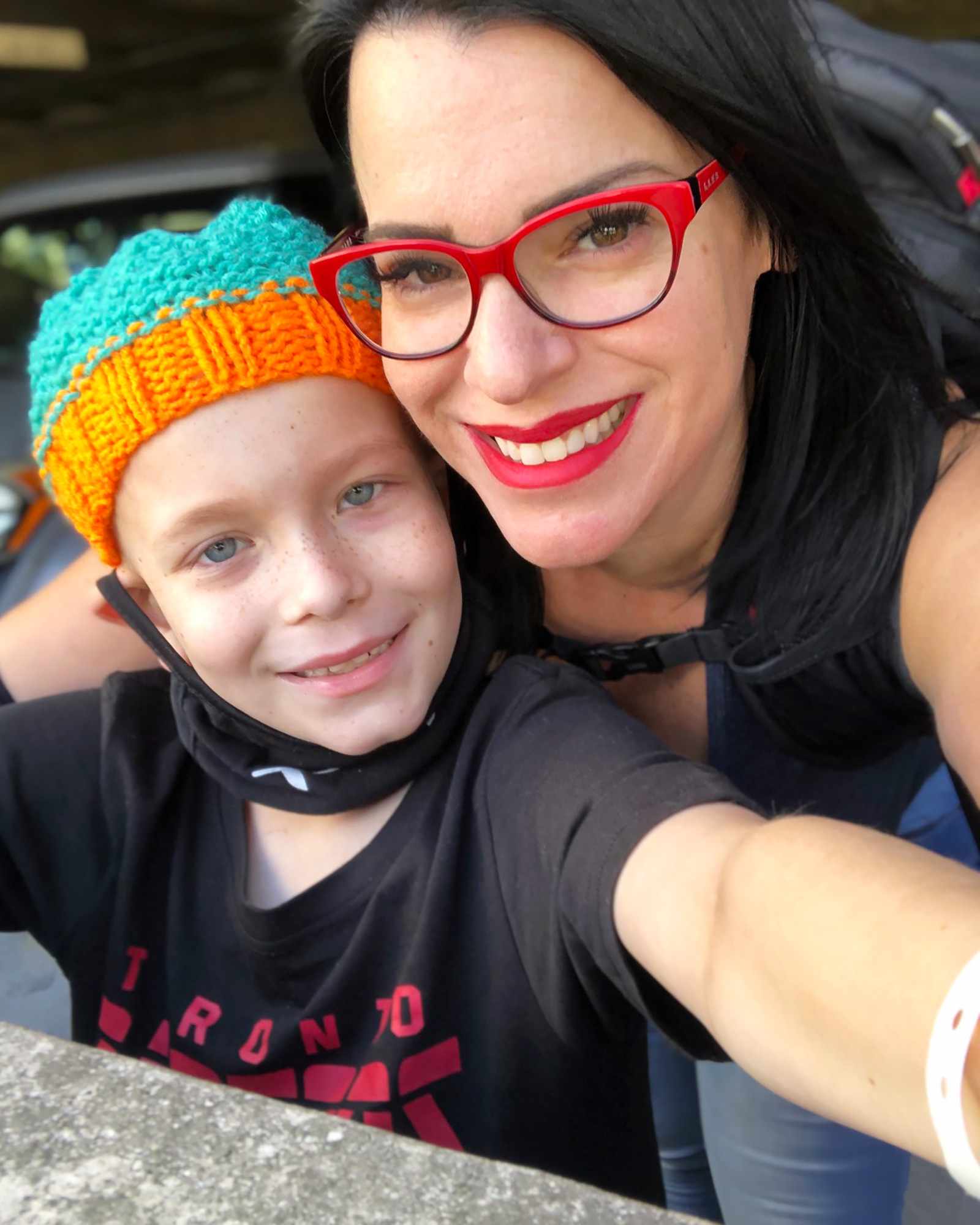
May 12 Became Jake’s Second Birthday
Before the transplant, Jake underwent more treatment to prepare his body.
That included chemotherapy, immunotherapy and radiation.
Then, on May 12, 2025, Justin’s donated stem cells were infused into his brother.
The transplant was successful.
Hospital staff treated the day almost like a birth.
They sang to Jake.
The family began calling May 12 his “re-birthday.”
Jake now celebrates two birthdays.
The first marks the day he entered the world.
The second marks the day his brother helped give him another chance to remain in it.
For Marisel, the meaning of the transplant is difficult to separate from Justin’s decision.
Her younger son had volunteered before anyone asked him to understand how important the donation might become.
When Jake’s chemotherapy failed, the family had reached one of the darkest points of the second cancer journey.
Justin’s match changed that.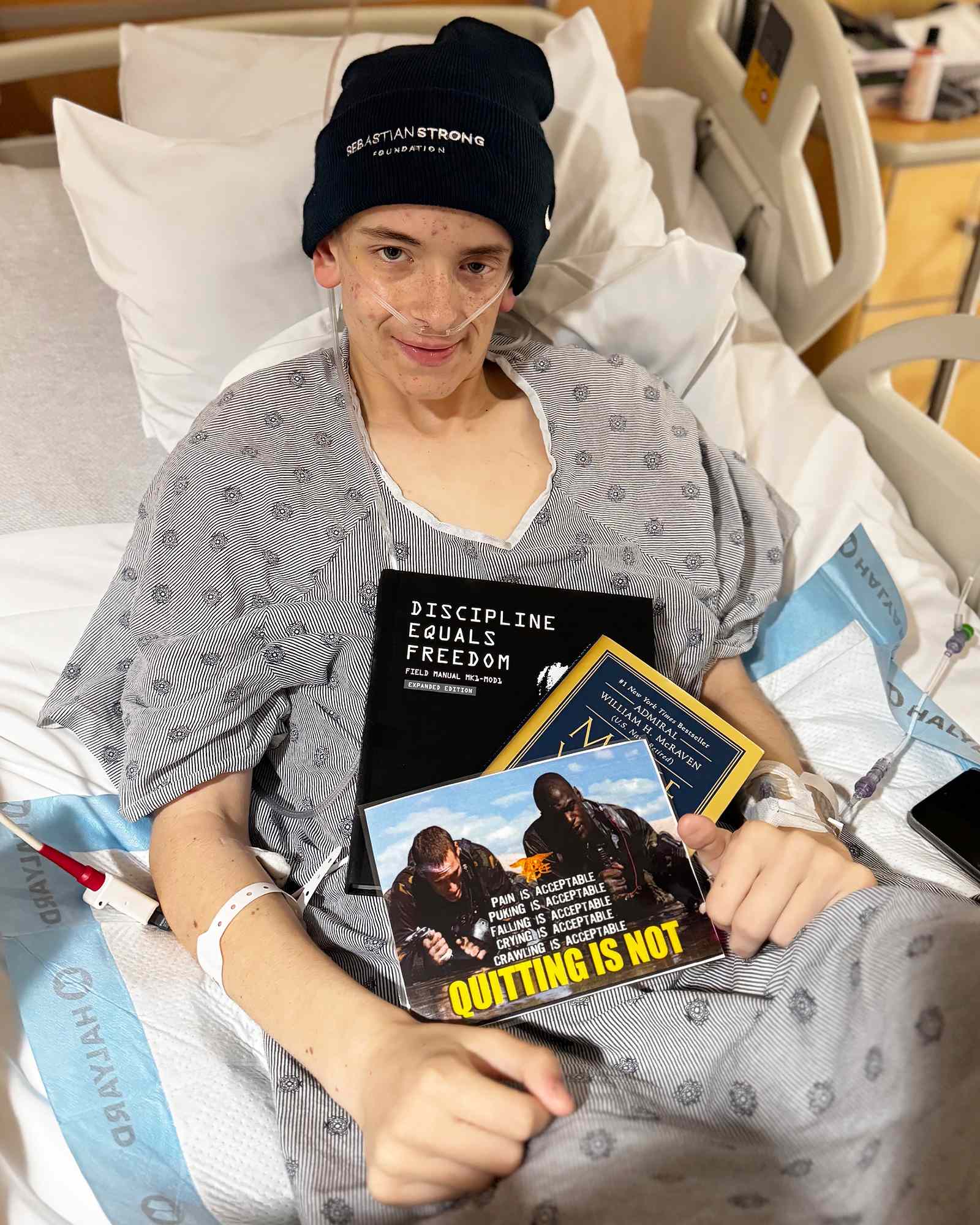
Nearly 200 Days of Hospitals
A successful bone marrow transplant is not an instant return to normal life.
Jake faced months of follow-up care while doctors monitored his new immune system, blood counts and risk of complications.
His family has described a period of roughly 200 days spent repeatedly moving in and out of medical care after the transplant.
For Jake, that meant more separation from school and friends.
It also meant living with precautions that many teenagers never have to think about.
His immune system needed time to rebuild.
Infections that might be minor for someone else could be dangerous.
Recovery required patience.
Finally, in January 2026 — about a year after the leukemia diagnosis — Jake was allowed to return to school.
After missing major milestones and spending so much of the previous year in treatment, simply walking back into a classroom represented progress.
By 2026, Jake had also passed the one-year milestone following his transplant and remained free of leukemia.
He was beginning to think about the future again.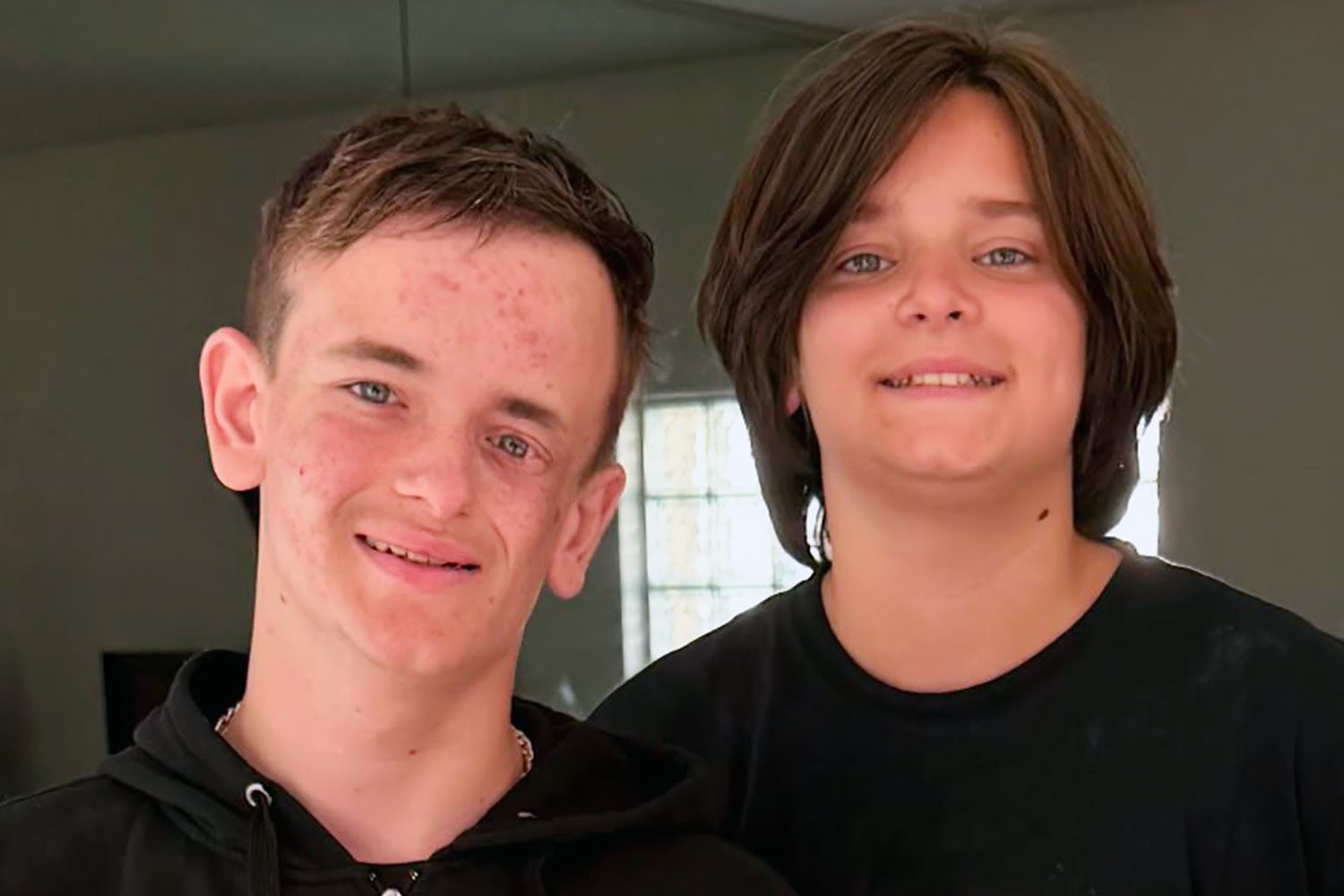
The Treatment That Saved Him Also Changed His Future
Jake’s story carries a difficult medical reality.
Cancer treatment can save a child’s life while also creating long-term risks.
Some chemotherapy drugs can damage healthy cells as they attack cancer cells. In rare cases, those changes can later contribute to a secondary malignancy.
That is what Jake’s doctors believe happened to him.
The chemotherapy that helped defeat his Ewing sarcoma years earlier likely contributed to the leukemia that appeared just before his five-year survivor milestone.
For Jake’s mother, the contradiction is painful.
The medicine that gave her son years he might otherwise not have had also helped create the next illness he had to survive.
That experience has changed what the family advocates for.
Jake and his mother now speak publicly about the need for better pediatric cancer treatments — therapies that not only cure children, but reduce the risk of serious long-term consequences.
He Now Talks to Teens Who Feel Alone
Jake’s second cancer battle also changed the way he thinks about other patients.
He knows what it feels like to watch friends move forward while his life is controlled by treatment.
He knows what it is like to miss school events.
He knows the isolation of being a teenager in a hospital environment where few people his age truly understand what he is experiencing.
Now he spends time talking with other teenagers undergoing cancer treatment.
His goal is not to pretend that cancer is easy.
It is to make other patients feel less alone.
Jake has said that maintaining hope and thinking about life after cancer helped him endure treatment.
Today, he encourages other young patients to do the same.
His own plans have changed.
At one point, Jake dreamed of becoming an Army medic. Because of the lasting effects of his health history, that path is no longer realistic.
So he is considering other possibilities, including engineering, teaching and management.
After spending much of childhood fighting to reach the future, having multiple futures to choose from means something.
Two Brothers, One Second Chance
Jake and Justin still behave like ordinary brothers.
They tease one another.
Jake jokes that Justin is stronger than him and takes over his bed.
Cancer did not suddenly turn them into sentimental versions of themselves.
But underneath those ordinary sibling arguments is something extraordinary.
When Jake needed someone whose bone marrow matched his own, his younger brother was there.
Justin did not know whether he could save Jake when he volunteered to be tested.
He only knew he was willing to try.
The treatment that saved Jake at 8 years old eventually contributed to another cancer.
Then, years later, the person who helped give him another chance was not a doctor, a researcher or a stranger on a donor registry.
It was his 14-year-old brother.
May 12 will always belong to both of them.
For Jake, it is the day he was given another beginning.
For Justin, it is the day part of him became part of his brother too.