WHY WAS THE TIGER NOT PUT DOWN AFTER A MAN DIED AT YORKSHIRE WILDLIFE PARK? THE REASON BEHIND THE CONTROVERSIAL DECISION
WHY WAS THE TIGER NOT PUT DOWN AFTER A MAN DIED AT YORKSHIRE WILDLIFE PARK? THE REASON BEHIND THE CONTROVERSIAL DECISION
Reports of warning shots during a fatal encounter sparked questions about why the animal was not euthanised. But wildlife experts say the decision involves more than public outrage—and the circumstances of the tragedy matter.
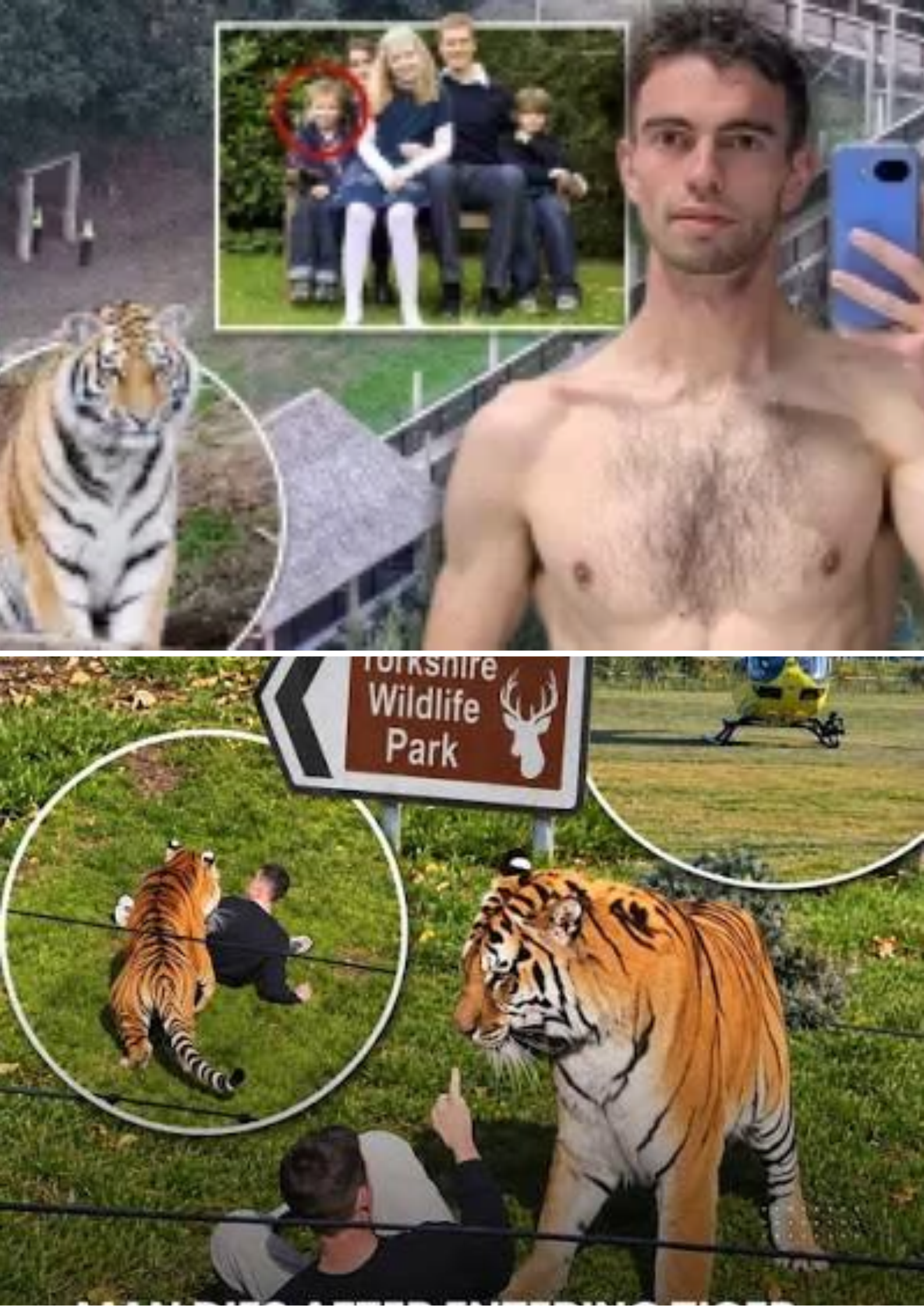
DONCASTER, SOUTH YORKSHIRE — A fatal incident at Yorkshire Wildlife Park has prompted widespread questions after a man entered a tiger enclosure and was fatally injured by the animal. Despite reports that staff fired warning shots in an attempt to distract the tiger, the park confirmed that the animal would not be euthanised.
The incident occurred on Saturday, October 10, 2026, at the park near Doncaster. South Yorkshire Police said officers received reports at approximately 1:35 p.m. that a man had entered the enclosure. Emergency services attended, but he was pronounced dead at the scene.
The tiger, an Amur tiger named Altai, remained in its enclosure and was reported to be uninjured. Police said there was no wider risk to the public.
 WHY WAS THE TIGER NOT EUTHANISED?
For many people following the story, the central question has been why the tiger was allowed to live after the fatal encounter.
Wildlife expert Will Travers, executive president of the Born Free Foundation, explained that zoos would generally aim to protect both the person involved and the animal wherever circumstances allow.
He said licensed zoos have emergency intervention plans, but the response depends on what is happening inside the enclosure. In a situation involving a large predator, staff may need to distract or secure the animal before they can safely reach the person.
Travers also cautioned against automatically blaming the tiger for behaving according to its natural instincts after a person entered its space.
The decision not to euthanise Altai was therefore consistent with the park’s position that the animal was not injured, remained contained and posed no further threat to visitors.
WHAT WERE THE REPORTED GUNSHOTS?
Witness accounts and media reports described loud bangs during the incident. Some reports said rangers fired two warning shots in an attempt to scare the tiger away from the man.
These were described as warning shots intended to distract the animal—not as an attempt to kill it. The tiger subsequently retreated, according to reporting by The Sun.
The precise sequence of the emergency response remains part of the wider investigation, and reports from witnesses should be distinguished from details formally confirmed by authorities.
 WHAT HAPPENED INSIDE THE ENCLOSURE?
Police confirmed that the man entered the tiger enclosure before the animal attacked him. Later reports identified him as William Chapman, a man in his early twenties, although police had not initially released his identity in their first statements.
Witnesses described seeing him approach the tiger, named Altai, inside the enclosure. Some accounts suggested that visitors had tried to dissuade him from entering.
Authorities have urged the public not to circulate videos of the incident, citing the distress they could cause to the man’s family and others affected by the tragedy.
AN ENDANGERED ANIMAL AT THE CENTRE OF A TRAGEDY
Altai is an Amur tiger, a threatened subspecies that the park houses in its purpose-built Land of the Tigers habitat.
Yorkshire Wildlife Park said it was deeply saddened by the man’s death and extended its condolences to his family and loved ones. It also confirmed that the tiger was safe and well and would not be euthanised as a result of the incident.
The park closed following the incident while staff received support and authorities began investigating. Doncaster Council also launched a health and safety investigation into the circumstances surrounding the tragedy.
WHAT HAPPENS NEXT?
The investigation will examine how the man entered the enclosure and the circumstances of the emergency response. Until more information is established, speculation about the actions of individual staff members or the precise sequence of events should be treated cautiously.
The central facts remain that a man lost his life, the tiger was not injured, and officials determined that the animal would not be euthanised.
For wildlife experts, the case raises difficult questions about enclosure safety, emergency planning and the responsibility to protect both people and animals.
Should a zoo ever euthanise a wild animal after a fatal incident involving a person, or should the decision depend on the circumstances and evidence?
Share your thoughts respectfully in the comments.