LUCY LETBY CASE: NEW EVIDENCE AND A MAJOR EXPERT DISPUTE PUT HER CONVICTIONS UNDER FRESH SCRUTINY
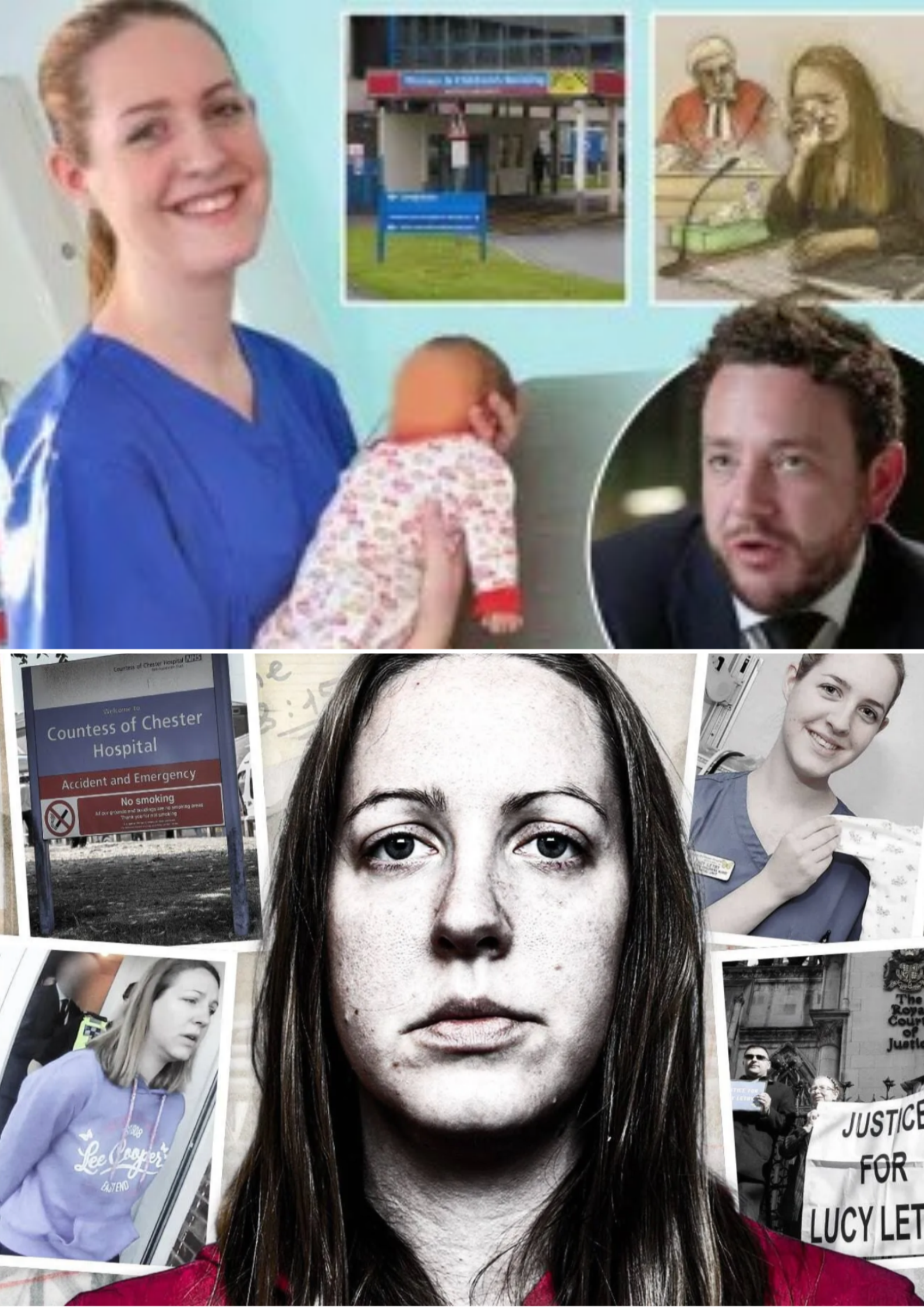
LUCY LETBY CASE: NEW EVIDENCE AND A MAJOR EXPERT DISPUTE PUT HER CONVICTIONS UNDER FRESH SCRUTINY
The former nurse remains behind bars — but an ongoing review and a growing scientific dispute are keeping one of Britain’s most controversial criminal cases in the spotlight.
Lucy Letby remains in prison serving 15 whole-life orders after being convicted of murdering seven babies and attempting to murder seven others at the Countess of Chester Hospital.
But her legal battle is far from over.
The Criminal Cases Review Commission (CCRC) is examining new material submitted on Letby’s behalf, including expert reports challenging aspects of the medical evidence used during her trials. The commission says its role is to determine whether there is a “real possibility” that a conviction might not be upheld — not to decide whether Letby is innocent or guilty.
And now, the case has entered another complicated chapter.
 A HUGE BODY OF NEW MEDICAL EVIDENCE
Letby’s defence has argued that new evidence from international specialists raises serious questions about parts of the prosecution’s medical case.
The CCRC confirmed that it received expert reports and further submissions over a period stretching from 2025 into January 2026.
The review remains ongoing.
That does not mean Letby’s convictions have been overturned or that the CCRC has concluded there was a miscarriage of justice.
Any eventual decision to refer a case would have to go back to the appellate courts.
TWO EXPERTS HAVE NOW WALKED AWAY
One of the most striking recent developments came in September, when two experts who had worked with Letby’s defence withdrew from the team.
Chemical engineering expert Helen Shannon and bioengineering professor Geoff Chase said they continued to stand by their assessment that it was “very unlikely” that two of the babies were deliberately poisoned.
However, they said they could not support other arguments being advanced by the defence because they believed some were inconsistent with available evidence, scientific principles and established physiology.
Their decision immediately intensified the debate surrounding the case.
It does not, by itself, determine whether Letby’s convictions are safe.
But it demonstrates how sharply divided experts remain over some of the medical evidence.
LETBY’S LAWYER SAYS THE CASE HAS NOT COLLAPSED
Letby’s barrister Mark McDonald has rejected the suggestion that the withdrawal of the two experts undermines the wider defence case.
He argues that the challenge to the convictions does not depend on a single expert and says evidence from specialists in different countries and medical disciplines raises fundamental questions about the scientific evidence presented to the original jury.
That disagreement is now at the heart of the legal battle.
One side argues that new medical analysis exposes serious weaknesses in the original prosecution case.
The other points to the convictions already reached by two juries and stresses that the new arguments must still pass the legal tests required for an appeal.
 THE CCRC IS STILL WATCHING THE CASE
The CCRC’s February statement was unusually clear about its position.
The commission said it had received a preliminary application in February 2025, followed by expert reports, submissions and defence material over the following year.
It also stressed that it makes impartial, evidence-based decisions and does not determine guilt or innocence.
For Letby, that means the current process is potentially important — but it is not yet a new trial.
There is no official finding that her convictions are unsafe.
ANOTHER DEVELOPMENT: NO FURTHER CHARGES
The wider investigation into Letby has also produced another important development.
In January 2026, prosecutors decided not to bring further criminal charges relating to additional babies whose deaths or collapses had been investigated.
After families requested reviews under the Victims’ Right to Review scheme, the Crown Prosecution Service reconsidered six alleged attempted-murder offences.
On August 5, the CPS confirmed that the original decision not to bring further charges had been upheld.
The CPS said the evidential test required for prosecution had not been met.
That decision does not overturn Letby’s existing convictions, but it has become part of the wider public debate surrounding the case.
THE THIRLWALL INQUIRY IS A SEPARATE MATTER
The publication of the Thirlwall Inquiry report has also renewed discussion around the events at Countess of Chester Hospital.
The inquiry examined the hospital’s management, culture and response to concerns raised by doctors.
It concluded that senior managers failed to act quickly enough and criticised delays in involving police.
But the inquiry was not established to determine whether Letby was wrongly convicted.
Its conclusions were made on the basis that Letby’s criminal convictions stood.
That distinction is crucial.
The hospital’s failures and the safety of Letby’s convictions are two separate legal questions.
SO WHAT HAPPENS NEXT?
For now, there is no dramatic courtroom reversal.
There is no confirmed secret legal file that has destroyed the prosecution case.
There is no official decision releasing Letby from prison.
Instead, there is an ongoing review, competing medical interpretations and a growing dispute over how some of the evidence should be understood.
The CCRC must decide whether the new material creates the required “real possibility” that the convictions would not be upheld.
Until then, Lucy Letby’s convictions remain in force and she remains imprisoned under her whole-life orders.
But the scientific and legal debate surrounding the case is clearly not over.
And whatever the CCRC ultimately decides, its conclusion could become one of the most significant developments yet in a case that has continued to divide experts, lawyers and the public.
👇 FULL STORY AND LATEST UPDATES IN THE COMMENTS.