Presley Gerber Dies at 27 After Years of Speaking Openly About Mental Health and Recovery

Presley Gerber, the model and only son of Cindy Crawford and Rande Gerber, has died at age 27, bringing a devastating loss to a family whose lives have been closely watched for decades.
Gerber died on Sunday, Sept. 20, at a rehabilitation facility, according to Los Angeles County Medical Examiner records. An autopsy had not yet been completed when news of his death emerged.
His family — including Crawford, Rande Gerber and his younger sister, model and actress Kaia Gerber — asked for privacy as they faced what their representative described as an extraordinarily painful period.
For Presley, the story of his life had increasingly become about far more than fashion or growing up in a famous household. During his later years, he spoke publicly about depression, mental health, substance abuse and recovery, repeatedly describing his hope that sharing his own difficult experiences might make someone else feel less alone.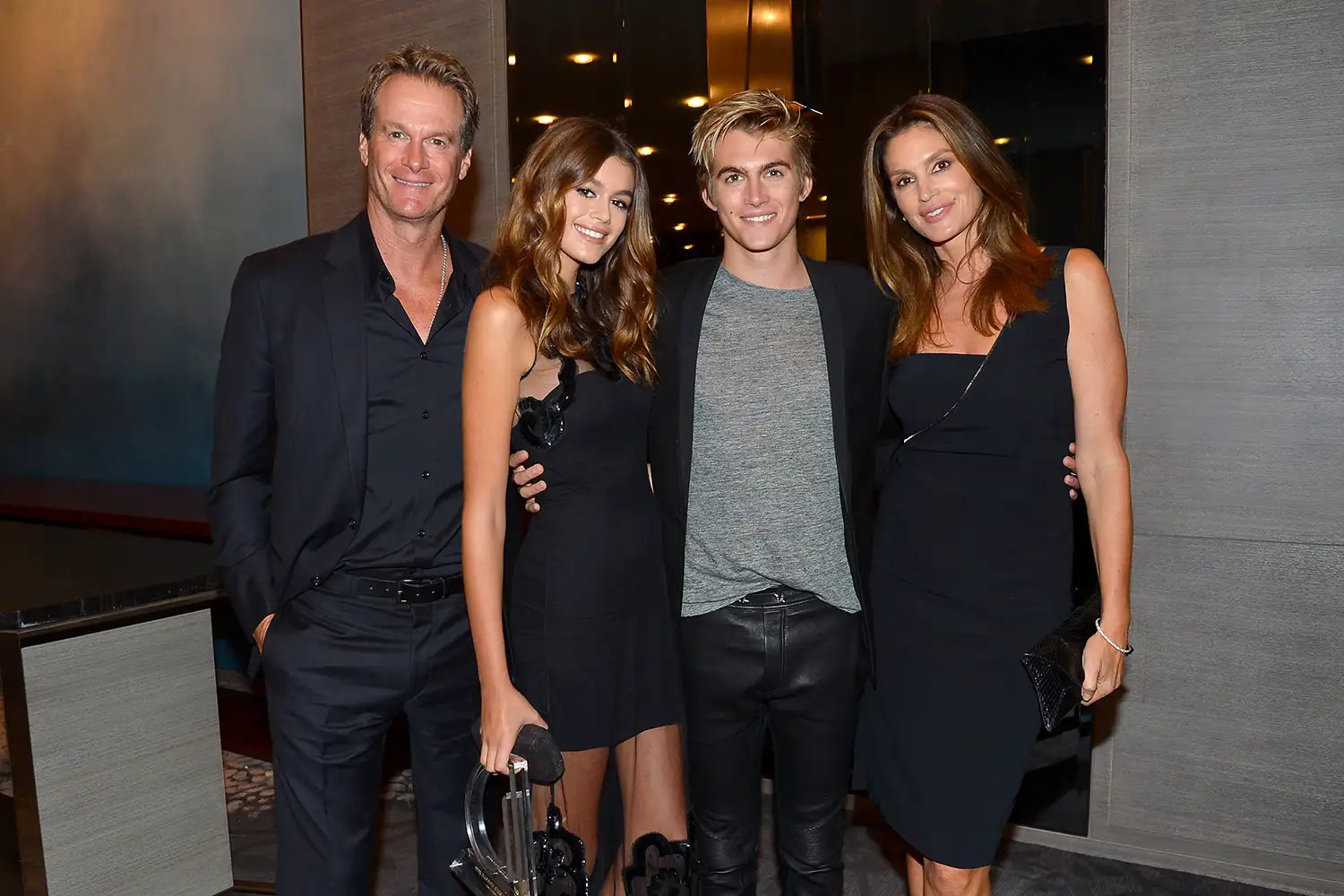
Born in Beverly Hills in 1999, Presley entered modeling while still a teenager. He signed with IMG Models at only 15, stepping into an industry already deeply familiar to his family because of his mother’s legendary modeling career.
By his late teens, both Presley and Kaia were attracting major attention in fashion. Presley made his runway debut in Los Angeles for Moschino, later walked for Dolce & Gabbana in Milan and appeared in a Calvin Klein campaign. The siblings’ growing careers placed them together at fashion events, campaigns and public appearances around the world.
Presley once acknowledged that those early runway experiences could be nerve-racking. His main goal, he joked at the time, was simply to reach the end without tripping.
But behind the highly visible career was a much more complicated personal journey.
Presley was charged with driving under the influence in December 2019. The following year, he drew widespread attention after tattooing the word “MISUNDERSTOOD” on his face. By 2021, the tattoo appeared to have been removed.
Over time, however, Presley became increasingly willing to speak directly about what he had been experiencing.
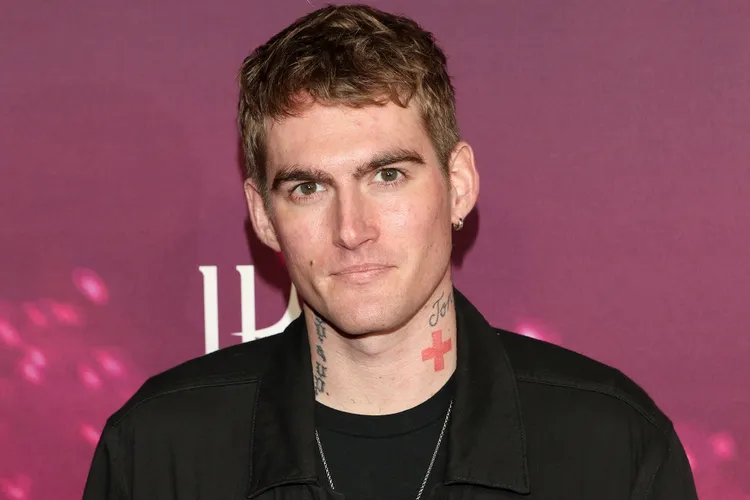 He described mental health as something that required constant attention rather than a problem that could simply be solved once and forgotten. His goal, he explained in a podcast appearance, was to use what he had learned from his own mistakes to potentially help other people avoid making the same ones.
That desire eventually became part of his social-media presence.
Presley began posting a series he called “Mental Health Mondays,” discussing subjects including recovery, connection and finding common experiences with other people going through difficult periods. In a 2024 installment, he spoke about his experiences around recovery communities and the importance of discovering common ground rather than judging people by their struggles.
A year later, he reflected on another part of his life that he believed had changed dramatically after he began working.
Growing up, Presley said, he had been extremely active. Sports, surfing, swimming and water polo had been regular parts of his childhood. Once work took over, that active lifestyle gradually disappeared, and he felt his quality of life deteriorated with it.
It took years, he said, before he understood how important returning to physical activity could be for him.
His public discussions became even more personal toward the end of 2025.
In a subsequently deleted Instagram video, Presley said he was taking several depressant medications, including Buprenorphine, Xanax and Valium, while dealing with panic attacks. He also spoke about experiencing substantial loss in different areas of his life.
What stood out was his explanation for making those struggles public.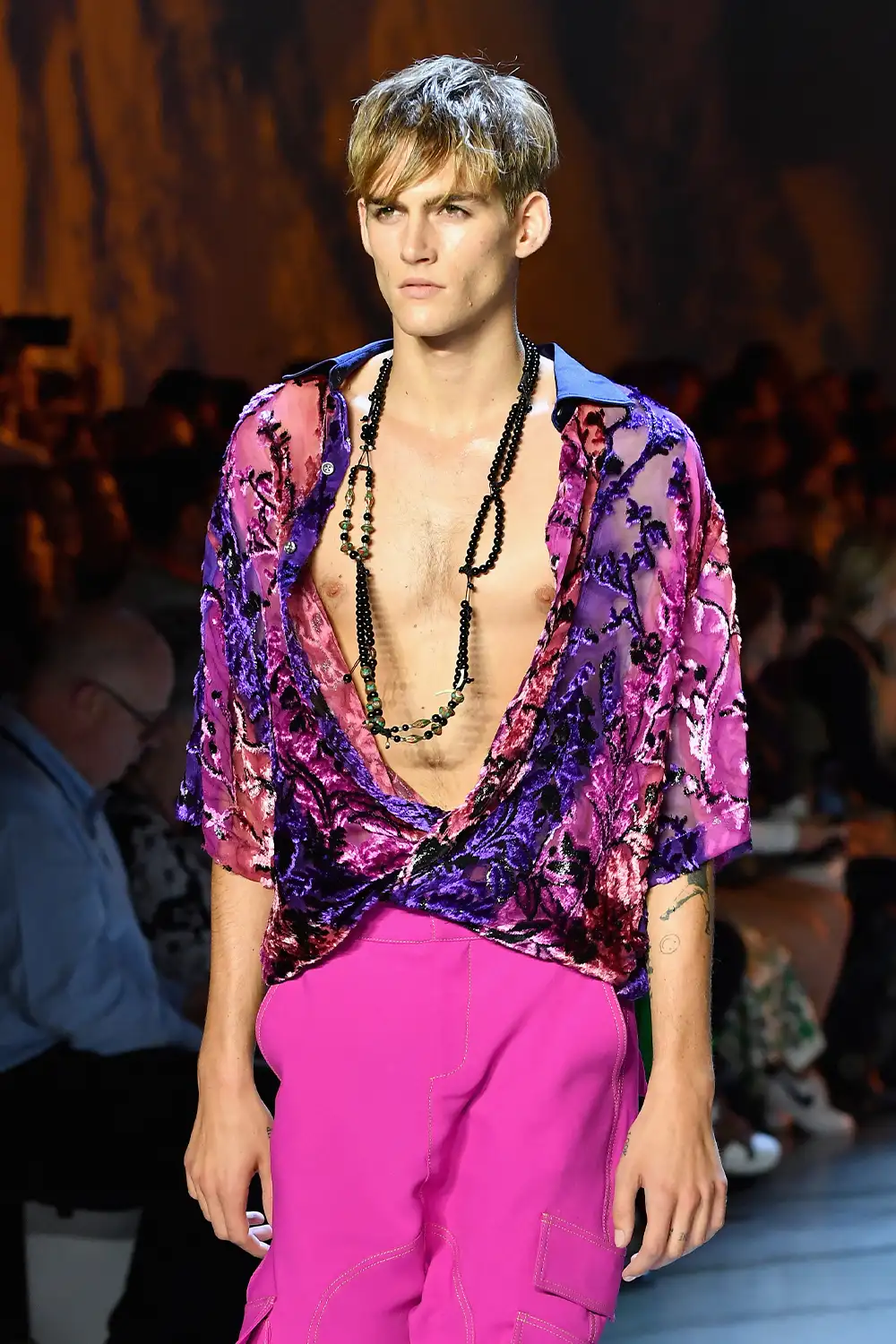
Presley said he wanted people watching him to understand that they were not the only ones going through difficult periods. At the same time, he acknowledged that he was seeking help himself.
His openness also affected the way his family talked about their experiences.
In September 2026, Kaia discussed the effect her brother’s long struggle with addiction had on their family. She described how those circumstances changed family dynamics and contributed to her seeing herself as the sibling who should require less attention or assistance.
Kaia also viewed Presley’s willingness to speak so openly as a significant departure from the family’s traditionally private approach to personal difficulties. Rather than hiding what he was experiencing, Presley increasingly chose to let people see the human reality behind the famous surname.
That public vulnerability became one of the clearest contrasts of his adult life.
From the outside, Presley had entered adulthood surrounded by opportunities. He was the son of one of the world’s most recognizable supermodels and a successful businessman. He had a younger sister building her own major modeling and acting career. He had walked prestigious runways and appeared in high-profile fashion work before reaching his twenties.
Yet his own later reflections repeatedly turned away from celebrity and toward subjects that could affect people from almost any background: isolation, depression, unhealthy patterns, recovery and the difficulty of asking for help.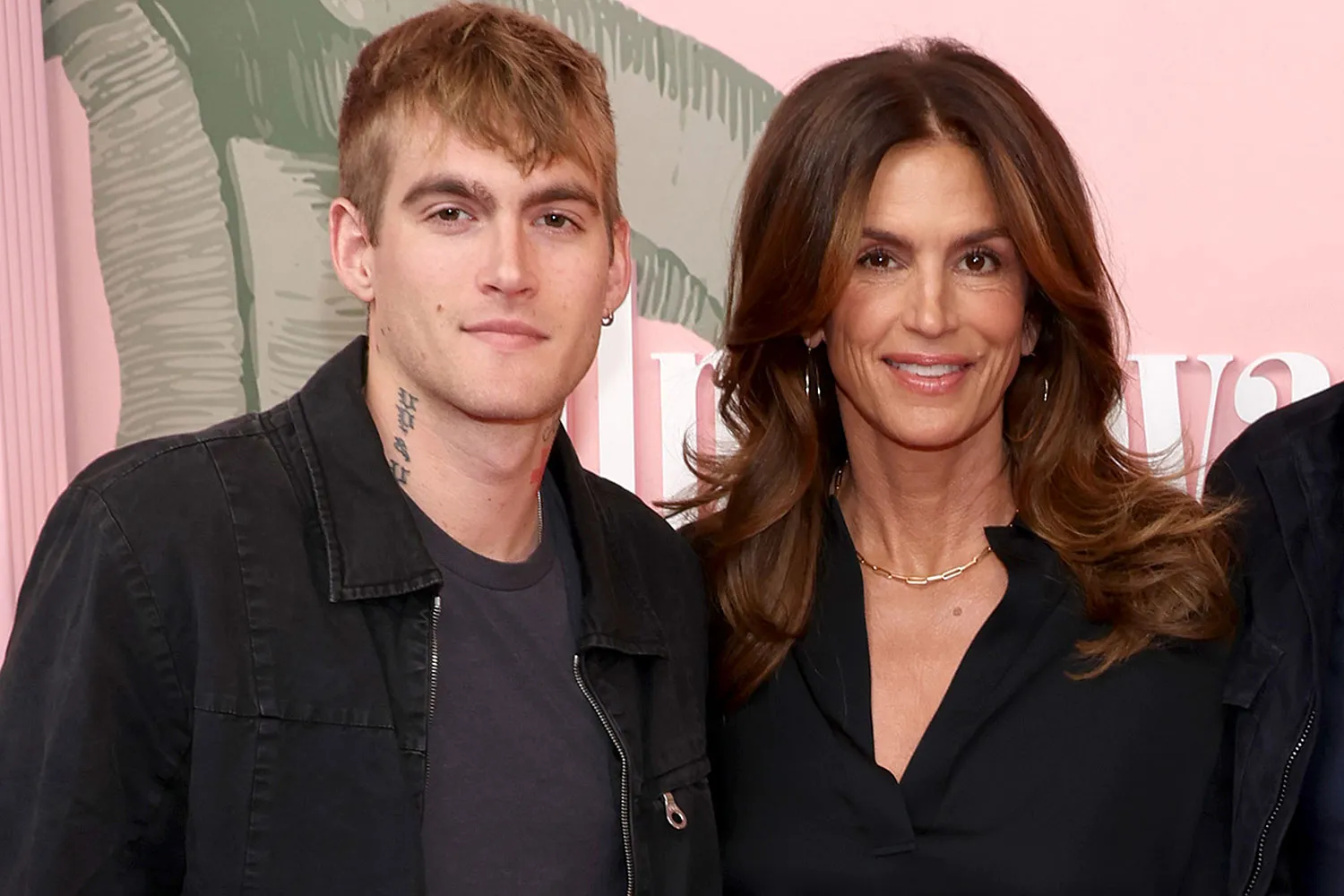
Presley also spoke warmly about sharing the modeling world with Kaia. In 2018, he said having his sister involved in the same industry made the experience feel considerably less lonely. At the time, he was enjoying his career enough that he decided against immediately pursuing college after high school.
Years later, loneliness would take on a much deeper meaning in the conversations he chose to have publicly.
Presley repeatedly returned to the idea that speaking honestly might create a connection with someone facing similar circumstances. He did not present himself as someone who had everything figured out. Instead, his message often centered on what he had experienced, what he had learned and what he hoped others might take from it.
His death at 27 leaves Cindy Crawford and Rande Gerber mourning their only son, while Kaia has lost the older brother with whom she shared childhood, family life and the unusual experience of entering the fashion industry at a remarkably young age.
Presley is survived by his parents and his sister.
For those who followed his later years, his legacy will include not only runway photographs and appearances alongside one of fashion’s most famous families, but also a young man increasingly determined to speak publicly about parts of his life that were considerably less polished.
In doing so, Presley tried to turn some of his most difficult experiences into something another person might recognize in themselves — a reminder that behind a familiar face and famous name could be a deeply human struggle that was often invisible from the outside.