🚨 SIX TEXAS OFFICIALS INDICTED IN VOTE-HARVESTING INVESTIGATION — HERE’S WHAT THE CASE ALLEGES
🚨 SIX TEXAS OFFICIALS INDICTED IN VOTE-HARVESTING INVESTIGATION — HERE’S WHAT THE CASE ALLEGES
A Texas election investigation has placed several local officials at the center of a criminal case involving allegations of illegal mail-ballot collection.
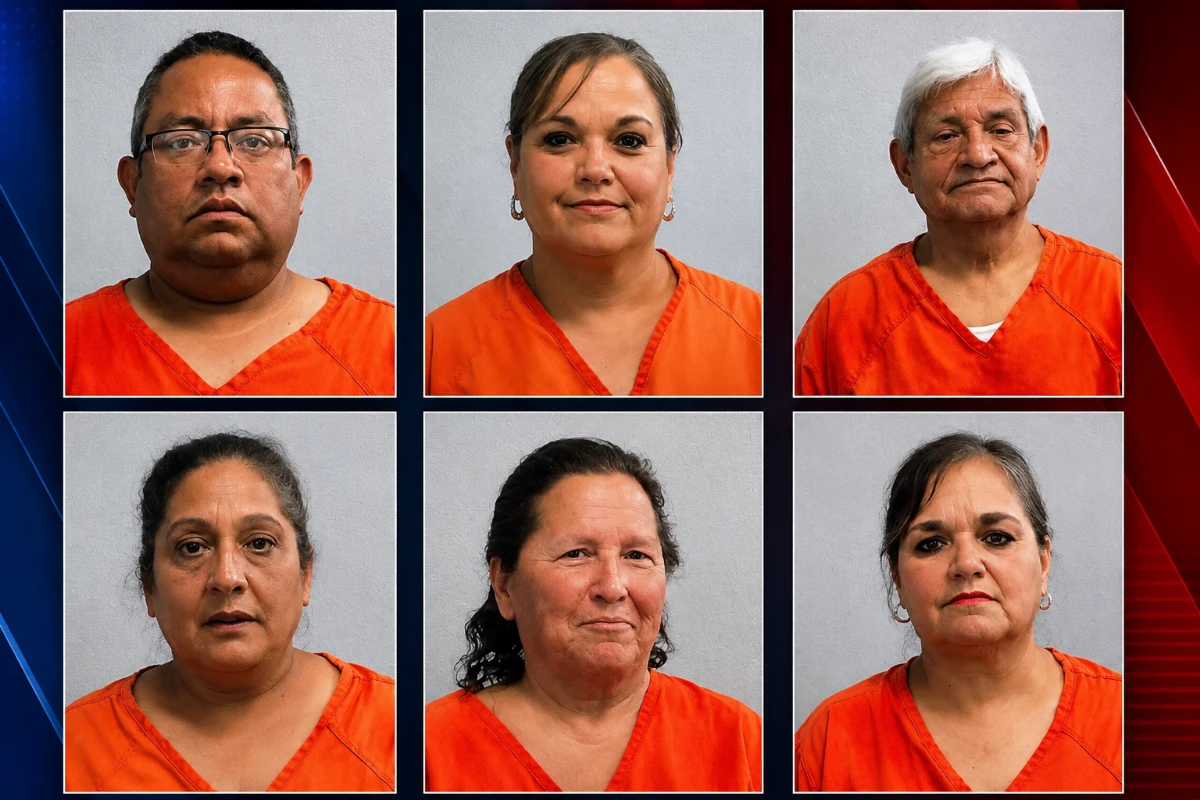
In May 2025, a Frio County grand jury returned indictments against six people, including a county judge, two city council members, a school board trustee, a former elections administrator and another local resident.
The case was brought by the Frio County District Attorney’s Office in cooperation with the Texas Attorney General’s Election Integrity Unit.
WHO WAS INDICTED?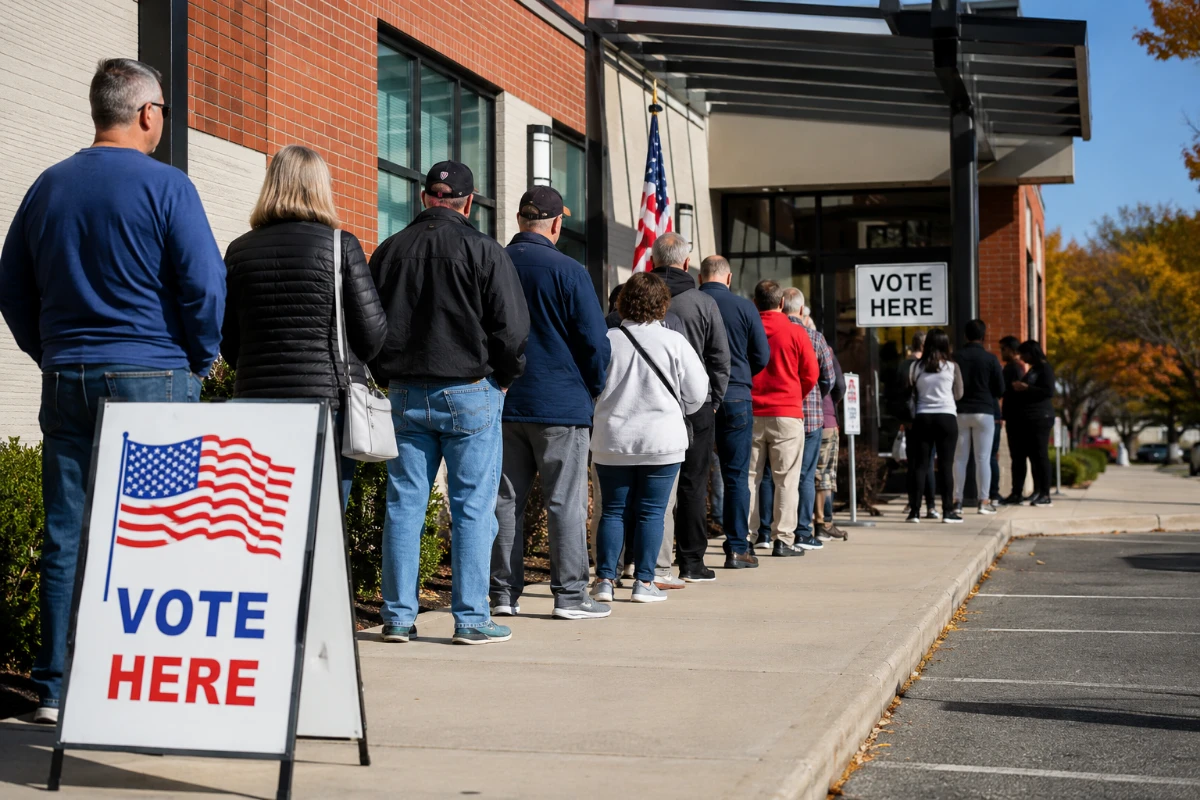
The defendants named by prosecutors were:
- Rochelle Camacho, Frio County Judge — three counts of vote harvesting
- Adriann Ramirez, Pearsall ISD trustee — three counts of vote harvesting
- Ramiro Trevino, Pearsall City Council member — one count of vote harvesting
- Racheal Garza, Pearsall City Council member — one count of vote harvesting
- Rosa Rodriguez — two counts of vote harvesting
- Carlos Segura, former Frio County elections administrator — one count of tampering with or fabricating physical evidence.
The vote-harvesting charges are third-degree felonies under Texas law. Prosecutors said the potential punishment ranges from two to 10 years in prison and can include a fine of up to $10,000.
WHAT ARE PROSECUTORS ALLEGING?
According to court documents and investigators cited by The Associated Press, the investigation centers on allegations that some defendants participated in or paid for the collection and delivery of other people’s mail ballots.
Investigators alleged that some payments were made through Cash App.
The investigation also focused on allegations involving elderly voters in a Pearsall-area subdivision.
According to search-warrant affidavits cited by AP, investigators were told that ballots and ballot applications had allegedly been collected on behalf of political candidates.
Prosecutors also accused former elections administrator Carlos Segura of tampering with physical evidence.
Segura denied wrongdoing and described the allegations as ridiculous, according to AP.
THE CASE STARTED YEARS EARLIER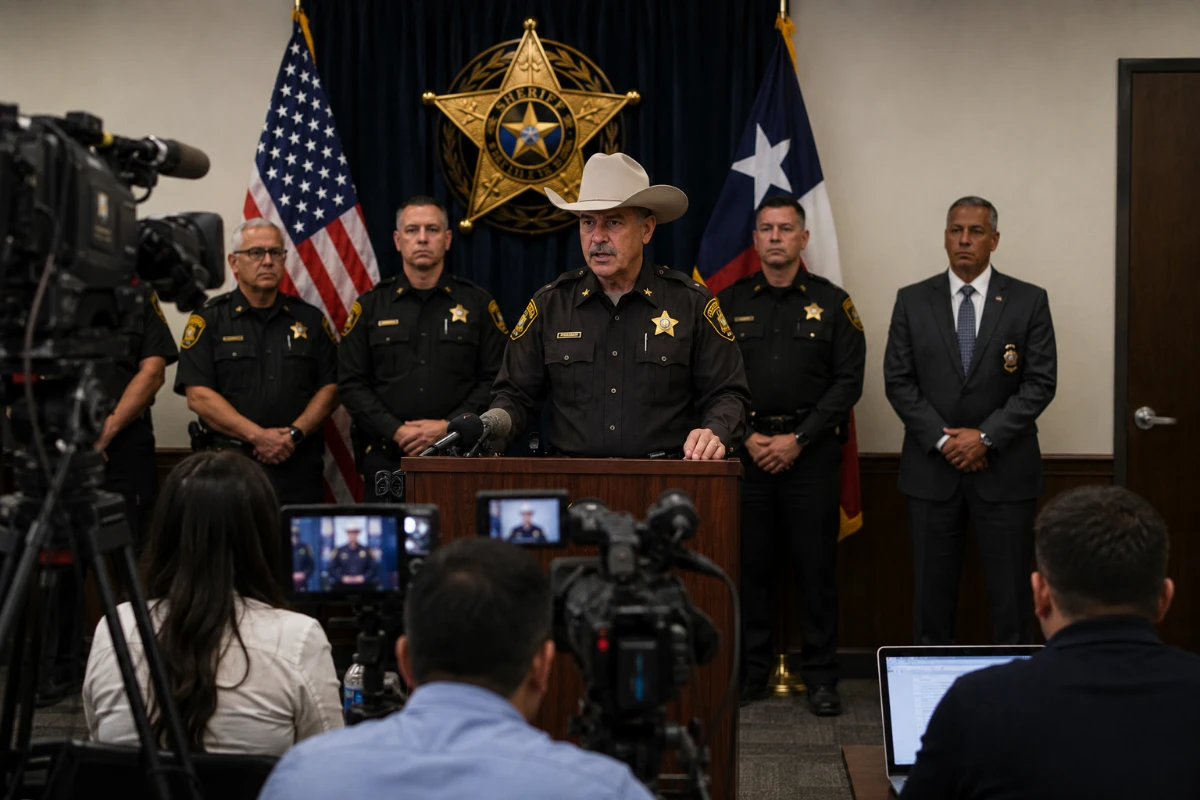
This investigation did not begin with the 2025 indictments.
The Texas Attorney General’s Office said investigators had been working on allegations of vote harvesting for years.
Search warrants were executed in Frio, Atascosa and Bexar counties in August 2024 as part of the investigation.
The case was then presented to a Frio County grand jury on May 1, 2025.
The grand jury returned the indictments.
THE DEFENDANTS HAVE DENIED THE ALLEGATIONS
The indictments triggered an immediate political and legal dispute.
The defendants pleaded not guilty at a May 23, 2025 court appearance, according to the San Antonio Express-News.
Defense attorneys challenged the prosecution’s case, while civil-rights and Latino advocacy groups questioned the broader investigation.
The League of United Latin American Citizens, or LULAC, criticized the investigation and argued that the charges were part of a broader effort that could discourage Latino voters.
Those are allegations about the investigation itself, not a court finding about the defendants’ guilt or innocence.
THE INVESTIGATION DID NOT END WITH THE FIRST SIX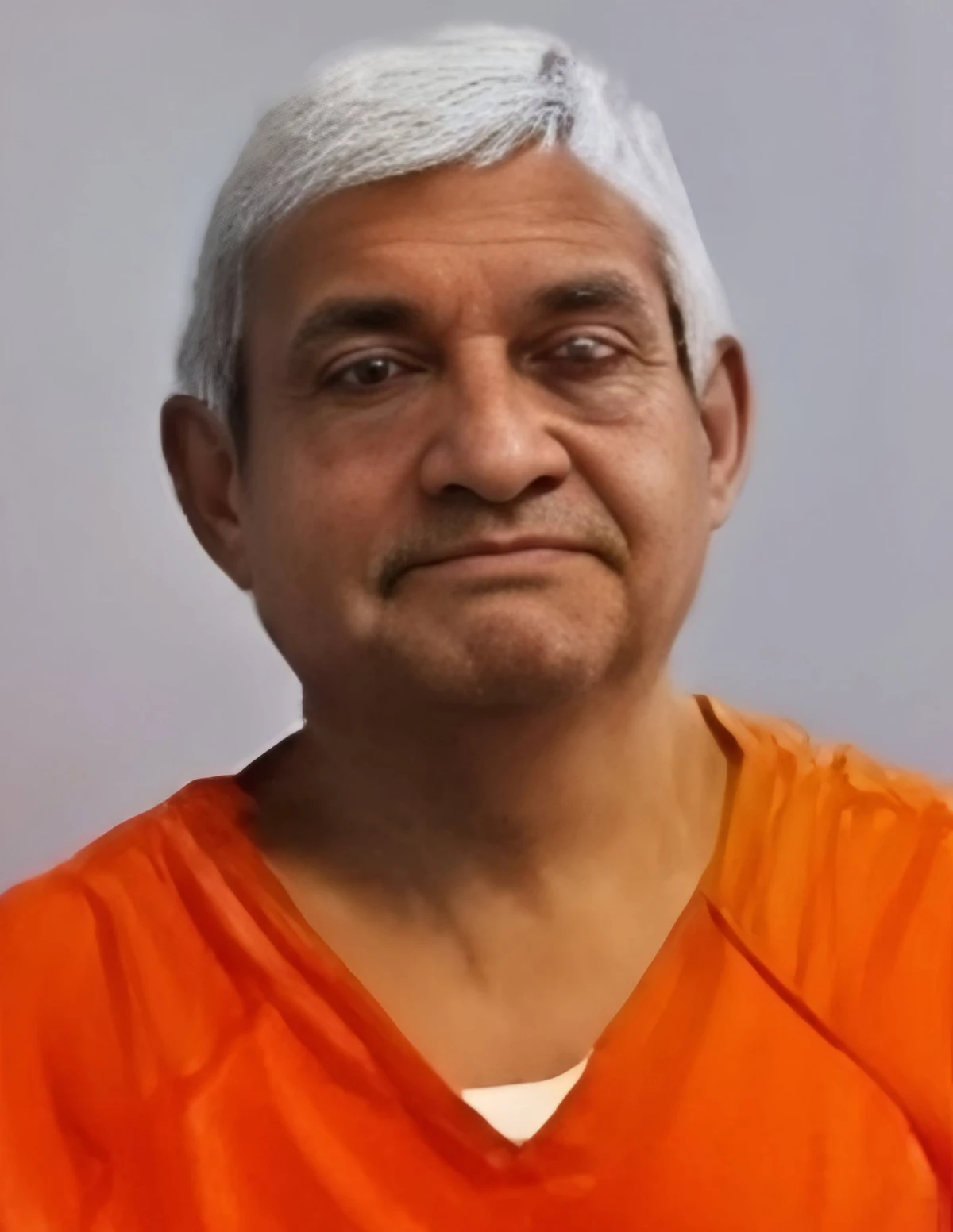
The six indictments were only the beginning of the wider Frio County investigation.
By June 2025, prosecutors had announced additional indictments involving other people, bringing the number of defendants connected to the broader investigation to 15, according to KSAT.
Among those later charged were former Bexar County Democratic Party chair Juan Manuel Medina, state House candidate Cecilia Castellano and several other former or current local officials.
Camacho was also suspended without pay from her position as Frio County Judge by the State Commission on Judicial Conduct while the criminal matter remained pending.
WHY THIS CASE MATTERS
The investigation has become part of a larger national debate over absentee voting, ballot collection and election security.
Texas has enacted restrictions on compensated vote harvesting, including provisions under Senate Bill 1.
In February 2026, the Fifth Circuit Court of Appeals allowed Texas to enforce its ban on certain compensated vote-harvesting activity after a lower court had blocked enforcement.
At the same time, research and election experts have repeatedly noted that documented mail-voting fraud is rare overall. A 2025 Brookings analysis estimated extremely low rates of mail-voting fraud in recent U.S. general elections, while emphasizing that individual criminal cases can still occur.
THE CASE IS STILL ABOUT ALLEGATIONS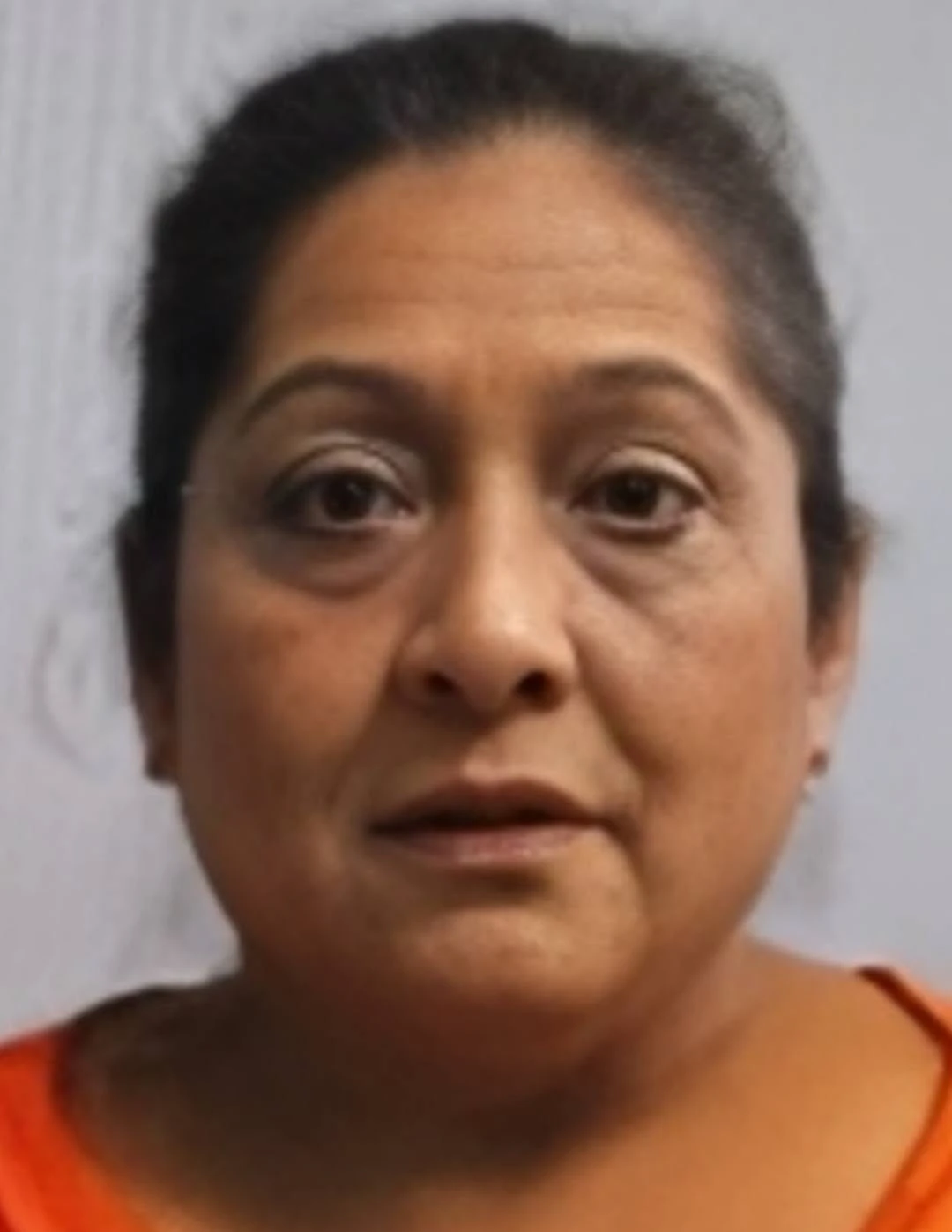
The most important distinction is this:
An indictment is not a conviction.
The six people named in the original Frio County case were accused of specific election-related crimes, but their guilt must be determined through the criminal justice process.
The allegations have already produced political controversy, legal challenges and additional investigations.
And what began as a local investigation in one Texas county has grown into a much broader election-integrity case involving multiple public officials.
For now, the central question remains one for the courts:
Did the alleged ballot-collection activities violate Texas election law — or will the defendants ultimately defeat the charges?