NETFLIX DOCUSERIES REOPENS QUESTIONS ABOUT THE DETECTIVE WHO INVESTIGATED WADE WILSON
NETFLIX DOCUSERIES REOPENS QUESTIONS ABOUT THE DETECTIVE WHO INVESTIGATED WADE WILSON
Months before Wade Wilson became a convicted double murderer, another investigation had already put him on law enforcement’s radar.
A Netflix docuseries has brought renewed attention to a Palm Beach County detective who investigated allegations against Wade Wilson months before Wilson murdered two women in Cape Coral in 2019.
The renewed scrutiny centers on Detective Louis Potter, who investigated allegations made by Wilson’s former girlfriend, Kelly Matthews, in February 2019.
According to an internal Palm Beach County Sheriff’s Office investigation later obtained by WPTV, Potter failed to conduct a thorough sex-crimes investigation.
The findings have now become one of the most closely examined parts of Wilson’s story — because the investigation happened before the murders that ultimately sent Wilson to death row.
THE CASE THAT CAME BEFORE THE MURDERS
Matthews reported that Wilson had allegedly assaulted, kidnapped and raped her.
She told investigators she had suffered multiple injuries during the alleged attack and sought medical treatment.
Wilson denied the allegations.
Potter collected Wilson’s DNA as part of the investigation.
But according to records reviewed by WPTV, the case was closed 34 days later, before the laboratory results had returned.
The later internal investigation found that when the DNA results eventually came back and indicated Wilson’s DNA was present at the scene, Potter did not follow up on those results.
Investigators also concluded that he failed to pursue an arrest for dating violence.
That sequence of events is now at the center of renewed public attention.
Because several months later, Wilson would become the suspect in the killings of Kristine Melton and Diane Ruiz in Cape Coral.
THE INTERVIEW THAT VIEWERS ARE NOW REEXAMINING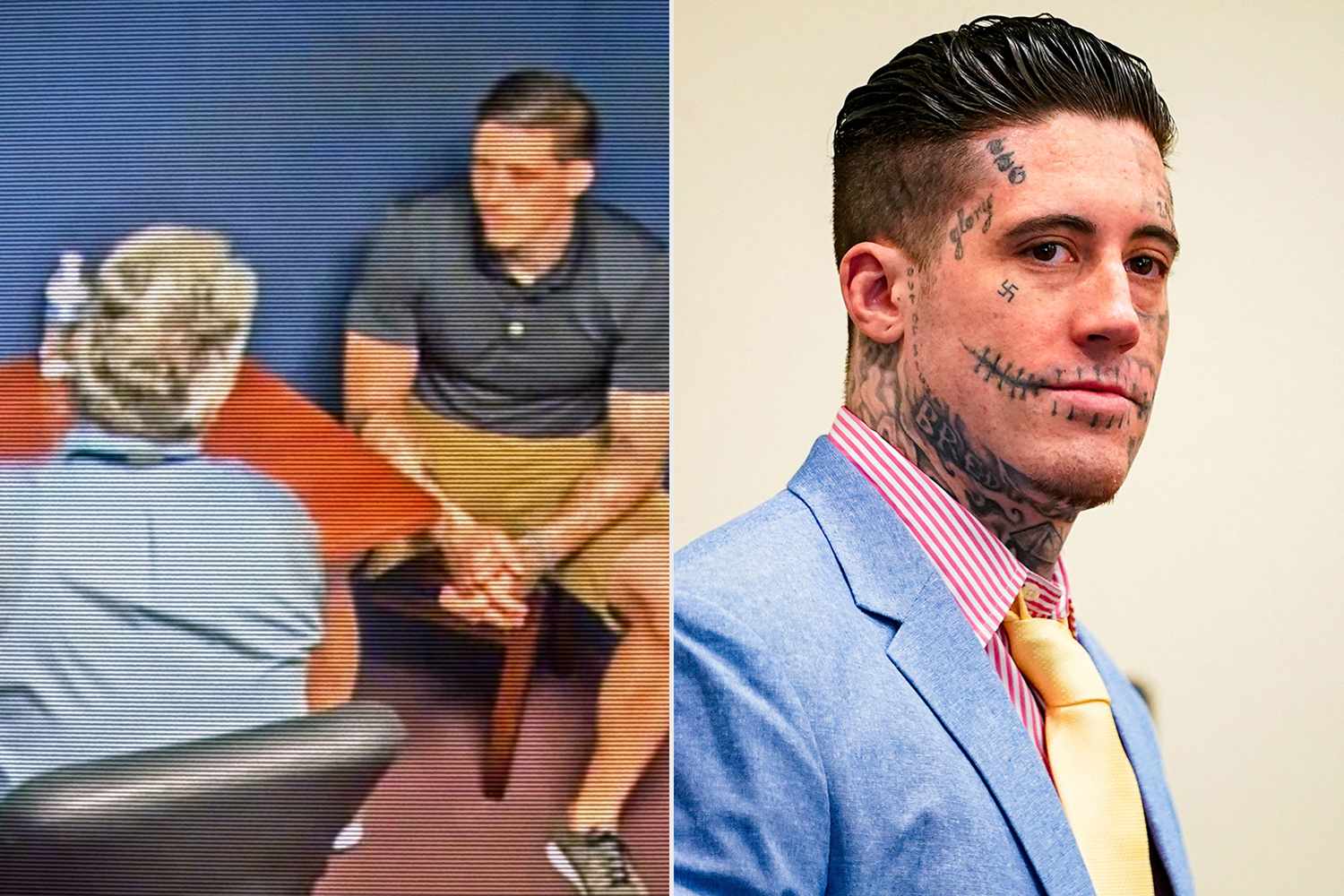
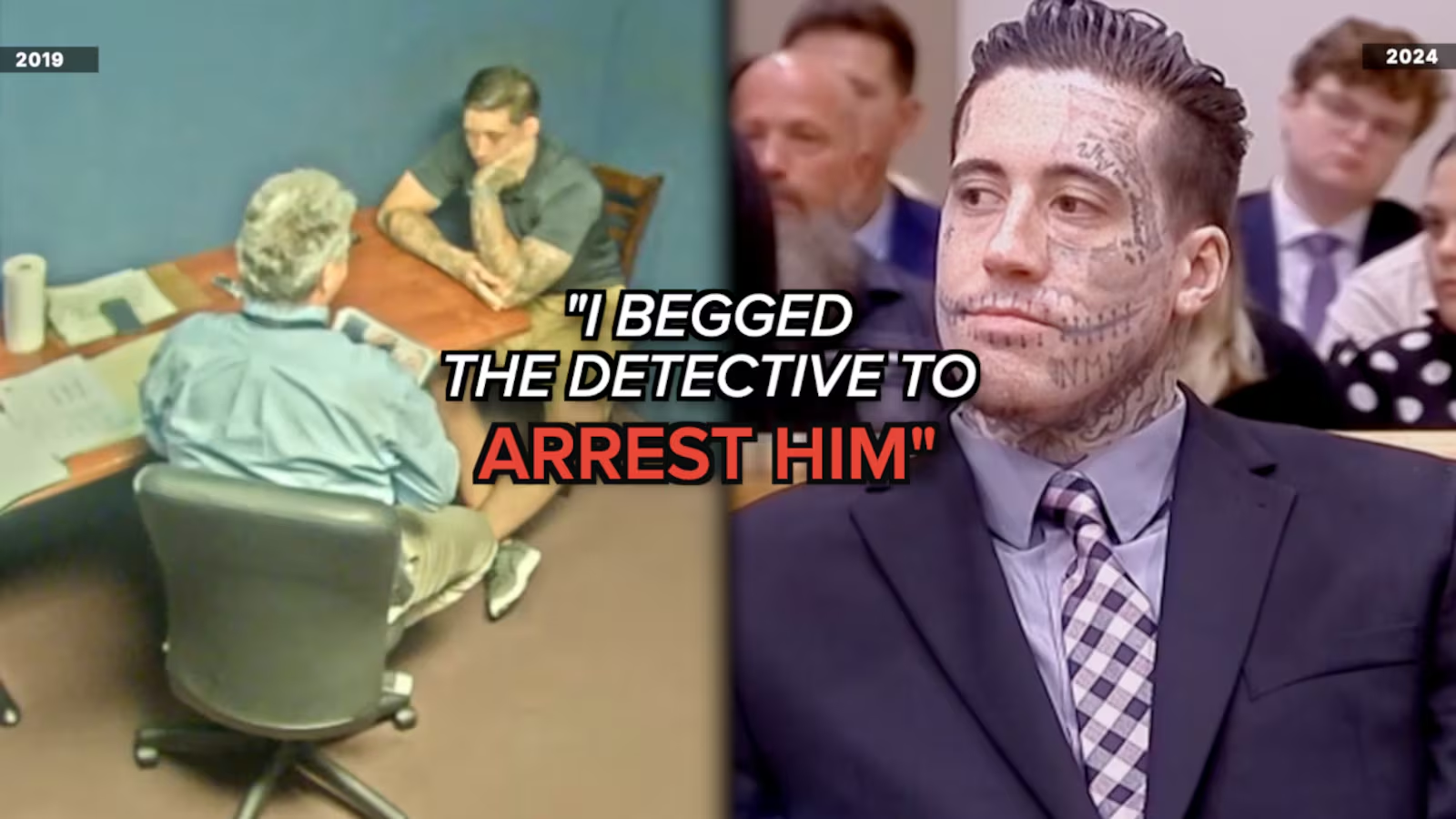
One of the most discussed moments from the Netflix series is Potter’s interview with Wilson.
The footage shows the detective explaining that he was investigating Matthews’ allegations while also giving Wilson an opportunity to deny them.
Wilson denied the allegations.
The exchange has prompted viewers to question whether the interview reflected an overly accepting approach to Wilson’s denials.
But the documentary footage itself does not establish that Potter could have predicted the later murders.
That distinction is important.
The internal investigation addressed how the earlier case was handled.
It did not establish that Potter knew Wilson would later kill two women.
WHAT THE INTERNAL REVIEW FOUND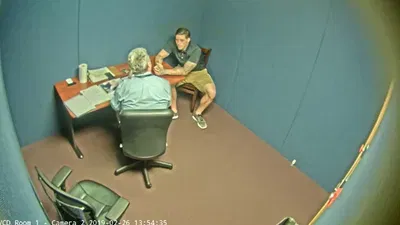
The later Palm Beach County Sheriff’s Office review concluded that Potter had used poor discretionary judgment and had not followed established agency procedures.
According to WPTV’s reporting, investigators found several problems with the way the case was handled, including closing the investigation before DNA results were available and failing to follow up after those results were returned.
Potter was subsequently suspended without pay for 120 hours and reassigned to administrative duties.
The sheriff’s office said the discipline was appropriate based on its review.
The agency has also said that detectives need probable cause before referring a case to prosecutors.
Former Palm Beach County State Attorney Dave Aronberg, who was in office at the time, said the Wilson investigation never reached his office.
He also cautioned against judging every decision solely through the lens of what happened later.
At the same time, Aronberg said the earlier case raised serious concerns and that his office would have taken a closer look had it been referred.
THE DNA RESULT BECAME A KEY DETAIL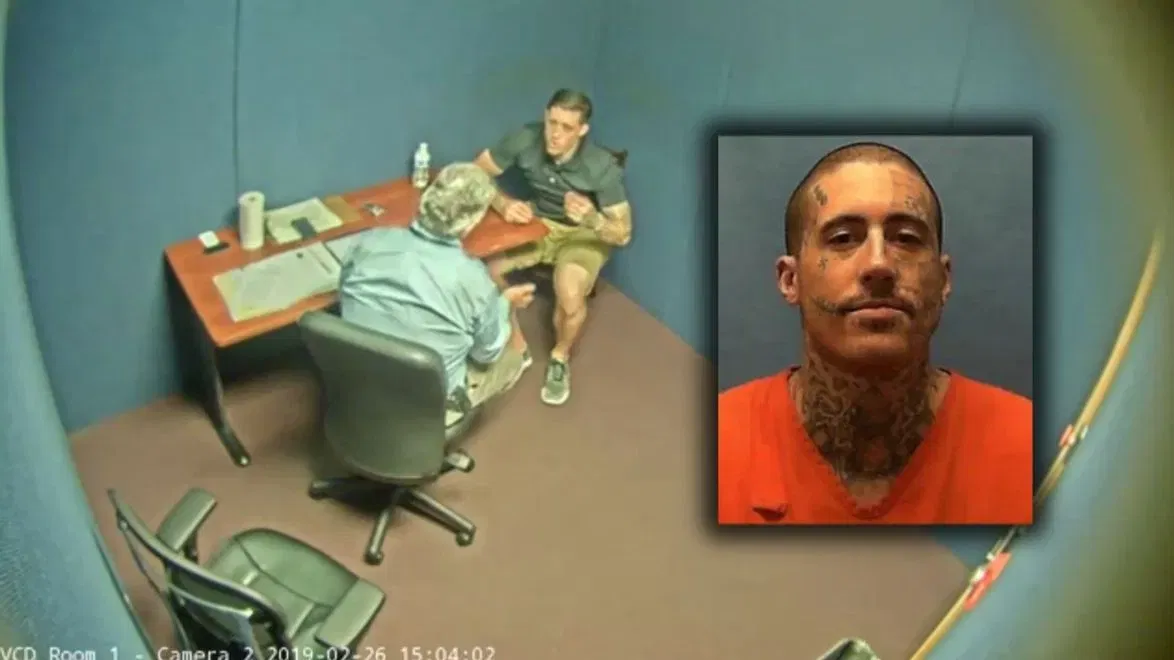
Perhaps the most striking detail in the renewed scrutiny is the timeline surrounding the DNA.
Wilson’s DNA had been collected.
The case was closed before the laboratory results came back.
And when the results later indicated Wilson’s DNA was found at the scene, the internal review found that Potter did not follow up.
That does not prove that a different decision would have prevented the later murders.
But it explains why the case has attracted renewed scrutiny years later.
Matthews herself has said she believes a different response could have changed what happened afterward.
That is her belief, not an established finding that the murders would have been prevented.
THEN CAME OCTOBER 2019
Months after the Palm Beach County investigation, Wilson was accused of killing two women in Cape Coral.
He was ultimately convicted of the murders of Kristine Melton and Diane Ruiz.
In August 2024, a Florida judge sentenced Wilson to death for both killings.
The case later became a major online phenomenon, with Wilson’s appearance, courtroom footage and death sentence attracting widespread attention.
That fascination is also examined in the Netflix documentary series.
But the new attention surrounding Potter focuses on something different:
What happened before Wilson became nationally known?
THE WOMAN WHO FIRST REPORTED HIM
For Matthews, watching the documentary reportedly brought back an experience she had carried for years.
She said she did not know about some of Potter’s comments during the interview until she saw the documentary.
The experience has also affected her trust in law enforcement.
Her original complaint against Potter was filed years after the alleged assault and after Wilson’s murder conviction.
That complaint ultimately contributed to the internal investigation that examined how the earlier case had been handled.
POTTER IS NOW RETIRING
The renewed attention comes as Potter’s career with the Palm Beach County Sheriff’s Office is coming to an end.
PBSO said Potter decided to retire effective July 31, 2026.
The department has said it will not fire him as a result of the renewed attention surrounding the case.
Potter did not respond to WPTV’s requests for comment, according to the station.
That timing has added another layer to the story.
A detective whose handling of an earlier investigation is now being discussed nationally is leaving the agency years after that case was closed.
THE QUESTION THAT WILL NOT GO AWAY
The Netflix series cannot change what happened in 2019.
It cannot determine with certainty what would have happened if the earlier investigation had been handled differently.
And it cannot establish that a different police decision would necessarily have prevented the deaths of Melton and Ruiz.
But it has brought an uncomfortable question back into public view:
What might have happened if the earlier warning signs had been investigated differently?
That question has no definitive answer.
What is documented is the timeline.
An allegation was reported.
Wilson’s DNA was collected.
The case was closed before the laboratory results returned.
The results later indicated Wilson’s DNA was present at the scene.
An internal review subsequently found shortcomings in the investigation.
And months later, Wilson killed two women.
Those facts are now being examined again — not because the past can be rewritten, but because the decisions made before a tragedy can sometimes become just as important as the tragedy itself.
For Kelly Matthews, the Netflix series offered something she had not had for years:
the chance for people to see a part of the story that had remained largely outside the spotlight.
And for the public, it has reopened a question surrounding Wade Wilson that goes far beyond the courtroom:
Was there a missed opportunity to stop what came next?
The evidence can document what investigators did.
It cannot tell us with certainty what would have happened if they had done something different.