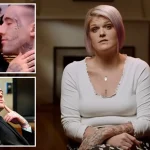
THE INTERVIEW BEFORE THE MURDERS — AND WHY NETFLIX HAS PEOPLE LOOKING AT WADE WILSON’S CASE AGAIN
THE INTERVIEW BEFORE THE MURDERS — AND WHY NETFLIX HAS PEOPLE LOOKING AT WADE WILSON’S CASE AGAIN
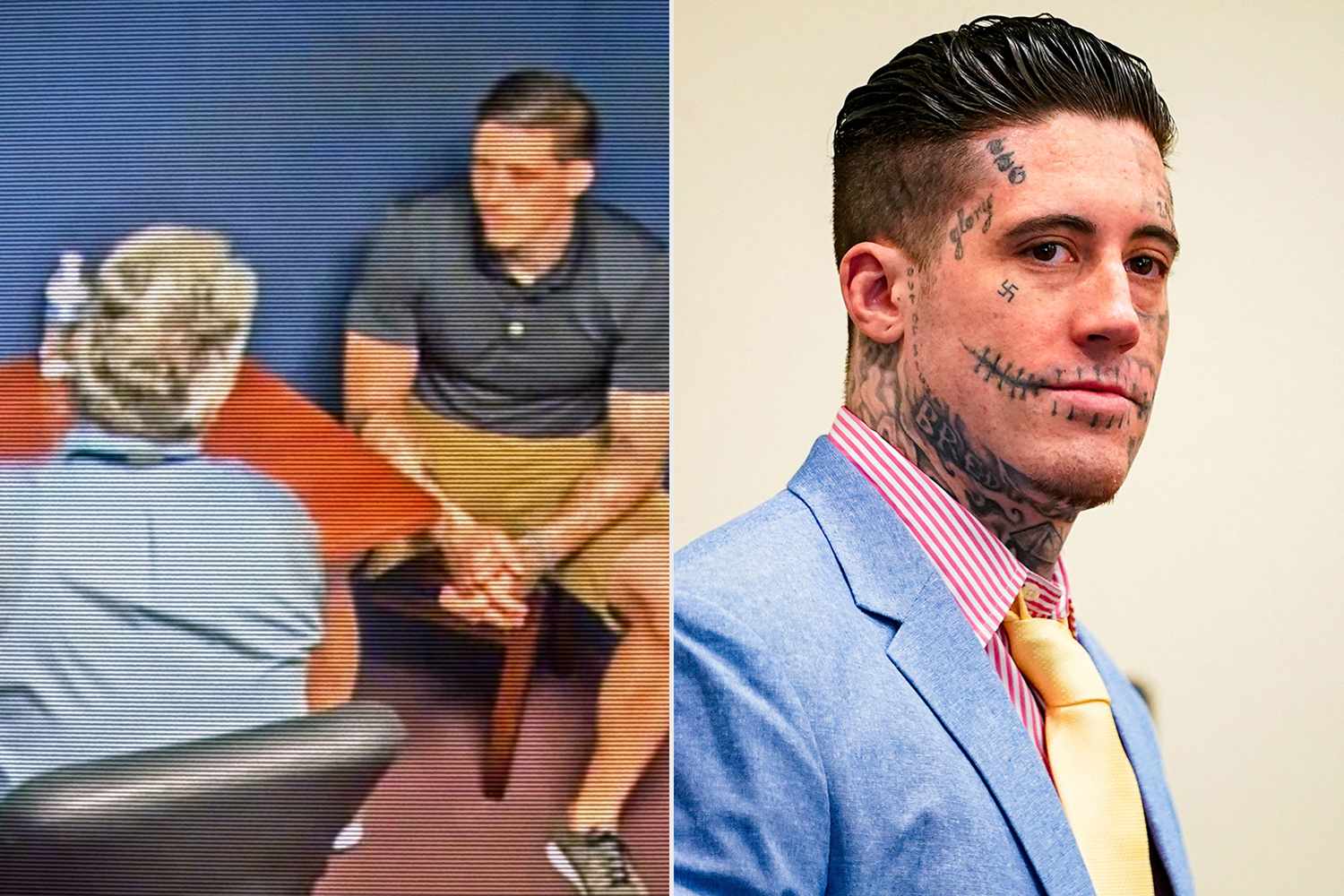
Before Wade Wilson became known as the “Deadpool Killer,” a detective was sitting across from him asking about another violent accusation.
The footage lasts only moments.
Detective Louis Potter is questioning Wilson about allegations made by his former girlfriend, Kelly Matthews.
Matthews had reported that Wilson had assaulted, kidnapped and raped her. She said she had suffered visible injuries and sought medical treatment.
Wilson denied the allegations.
And during the interview, Potter told him he had to give Wilson the opportunity to explain his side — adding that he had to believe Wilson.
Wilson responded:
“Thank you.”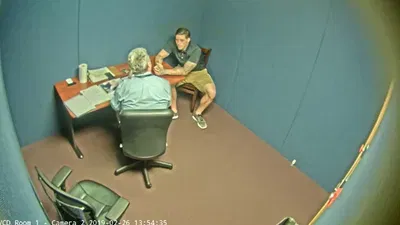
Years later, that exchange has become one of the most discussed moments surrounding the case.
A Netflix documentary has brought renewed attention to the interview and to the investigation that happened months before Wilson would be convicted of killing two women in Cape Coral.
But the most important part of the story may not be what viewers saw on camera.
It may be what happened after the camera stopped recording.
THE CASE WAS CLOSED
According to a later Palm Beach County Sheriff’s Office internal investigation, Potter collected Wilson’s DNA as part of the investigation into Matthews’ allegations.
But 34 days later, the case was closed before the laboratory results had returned.
That detail would become significant.
When the DNA results eventually came back, WPTV reports they indicated that Wilson’s DNA was found at the scene.
The internal investigation concluded that Potter did not follow up on those results.
Investigators also found that he failed to seek an arrest for dating violence.
The original report, however, recorded Potter’s conclusion that there was not probable cause for an arrest.
He cited the lack of witnesses and evidence and Wilson’s denial of the allegations.
That decision would later be examined by the department itself.
THEN EVERYTHING CHANGED
Months after the investigation involving Matthews, Wilson became accused of killing Kristine Melton and Diane Ruiz in Cape Coral.
The murders transformed the trajectory of his life.
He was eventually convicted and sentenced to death.
The earlier Palm Beach County investigation suddenly looked very different when viewed alongside what happened afterward.
But there is an important distinction:
The later murders do not prove that the earlier investigation could have prevented them.
No official finding has established that Wilson would necessarily have been arrested or that the murders would necessarily have been prevented had the earlier case been handled differently.
What is documented is the sequence of events.
An allegation was made.
DNA was collected.
The case was closed before the results came back.
The results later indicated Wilson’s DNA was present.
The internal review found the detective did not follow up.
And months later, Wilson killed two women.
That timeline is the reason the old investigation has returned to the spotlight.
MATTHEWS NEVER FORGOT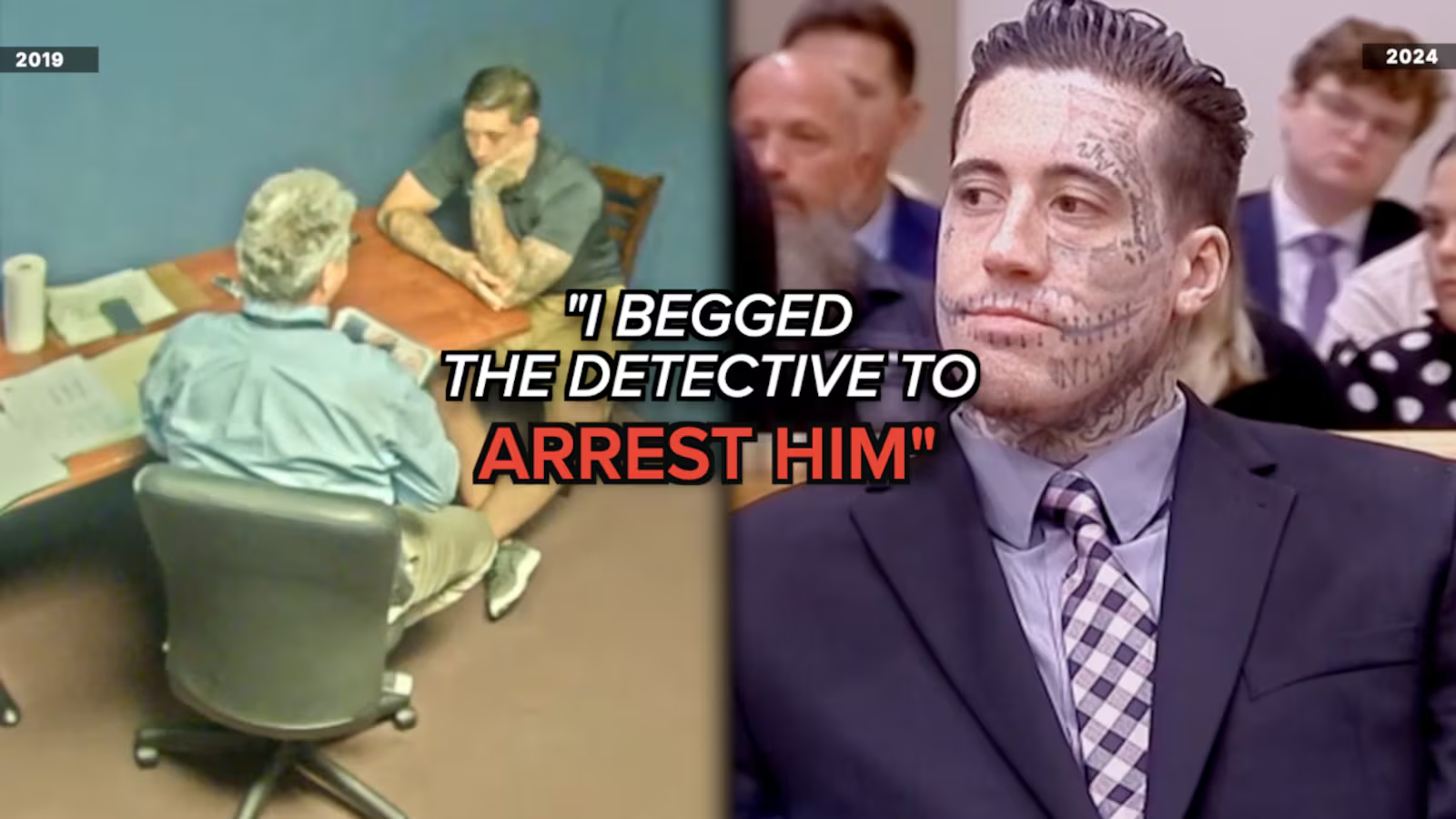
For Kelly Matthews, the investigation was never simply an old police file.
She had reported what she said happened to her and later watched Wilson’s murder case unfold.
After seeing his trial, she filed a complaint against Potter.
In that complaint, Matthews argued that had Wilson been arrested, he might not have gone on to kill two women.
That is Matthews’ belief, rather than a finding that establishes what would have happened.
Her complaint, however, triggered the internal investigation that ultimately examined Potter’s handling of the case.
And that investigation produced a significant conclusion.
PBSO investigators found that Potter had failed to conduct a thorough sex-crimes investigation.
THE DEPARTMENT’S OWN REVIEW
The internal investigation found Potter had used poor discretionary judgment and had not followed established agency procedures.
He was suspended without pay for 120 hours and reassigned to administrative duties.
PBSO said the discipline was appropriate.
The department has also maintained that detectives need probable cause before sending a case to the State Attorney’s Office.
Former Palm Beach County State Attorney Dave Aronberg offered another perspective.
He said the case never reached his office in 2019.
He also cautioned against judging the original decision entirely through hindsight.
At the same time, he said there were aspects of the investigation that could have received greater scrutiny had the case been referred.
That tension is central to the story.
There is the decision that was made in 2019.
And there is what everyone knows now.
THE QUESTION OF HINDSIGHT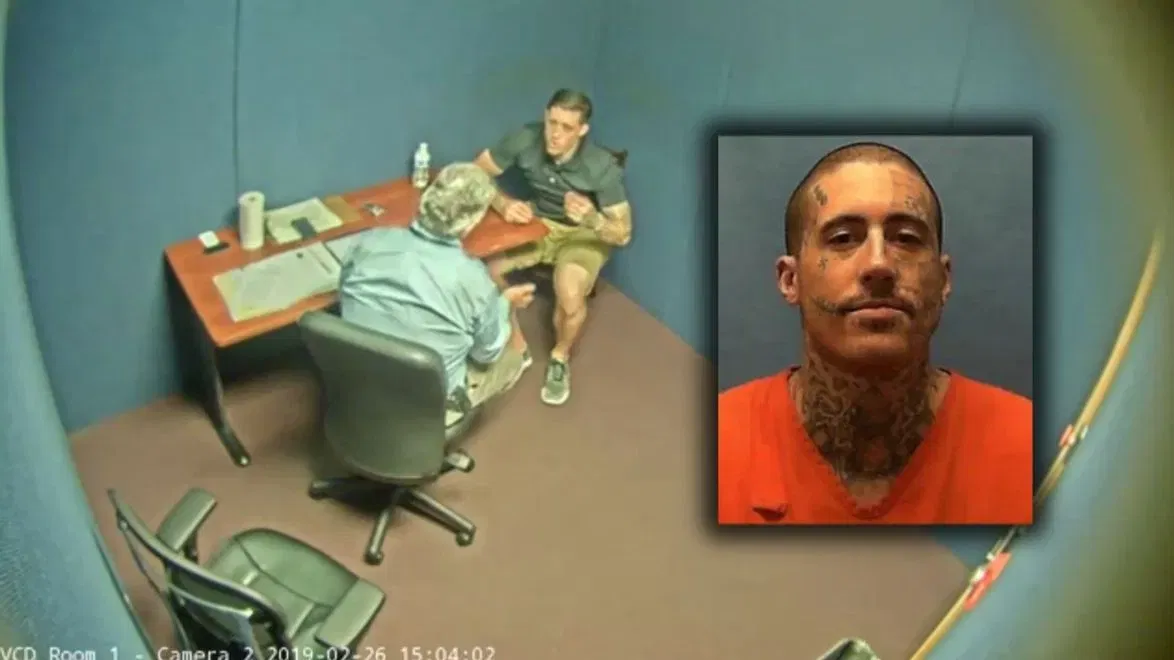
Hindsight changes how people see old decisions.
In 2019, investigators did not know that Wilson would later become a convicted double murderer.
They did not know the future.
They were dealing with an allegation that Wilson denied.
That matters.
But so does what the internal investigation later found.
The question is therefore not simply whether Potter knew what Wilson would eventually do.
He could not have known.
The harder question is whether the earlier investigation was handled according to the standards expected of a sex-crimes investigation.
PBSO’s internal review said it was not.
NETFLIX BROUGHT THE MOMENT BACK
The documentary has now introduced that old interrogation to a much larger audience.
Viewers are seeing Potter and Wilson in the same room.
They are hearing the detective explain his approach.
And they are seeing an interaction that occurred months before the murders that eventually made Wilson infamous.
Matthews told WPTV that she did not know about some of Potter’s comments during the interrogation until she watched the documentary.
For her, seeing the footage was not simply watching television.
It was seeing a piece of her own case that she had never fully understood.
She has said the renewed attention gave her a sense of relief because more people were finally hearing her side of the story.
POTTER IS LEAVING THE SHERIFF’S OFFICE
The renewed scrutiny comes as Potter’s career with the Palm Beach County Sheriff’s Office is ending.
PBSO said Potter plans to retire effective July 31, 2026.
The department has said it will not fire him because of the renewed attention surrounding the case.
Potter did not respond to WPTV’s requests for comment, according to the station.
So the documentary arrives at an unusual moment.
The detective at the center of the renewed controversy is preparing to leave the agency.
The old investigation has been reopened in the court of public attention.
And the woman who originally reported Wilson is once again telling her story.
ONE INTERVIEW. ONE CLOSED CASE. TWO LATER VICTIMS.
That is why the footage has attracted so much attention.
Not because it proves what might have happened.
It doesn’t.
Not because it establishes that a different police decision would certainly have saved anyone.
It doesn’t.
But because it captures a moment that happened before everything changed.
Before Wilson was convicted.
Before the death sentences.
Before millions of people knew his name.
Before the murders of Kristine Melton and Diane Ruiz.
There was simply a detective, a suspect and an allegation from a woman who said she had been violently attacked.
The investigation was eventually closed.
And years later, after Wilson became a convicted murderer, that decision was examined again.
Now Netflix has placed the footage in front of a new audience.
The past cannot be changed.
But the questions surrounding that investigation have not disappeared.
What was known then?
What was missed?
And perhaps most importantly:
When an old case is viewed with everything that happened afterward, where should the line be drawn between legitimate accountability and hindsight?
Those questWPTV — Netflix series spotlights detective who investigated Wade Wilson