🚨 HE’S ON DEATH ROW — SO WHY ARE WOMEN STILL SENDING HIM LOVE LETTERS?
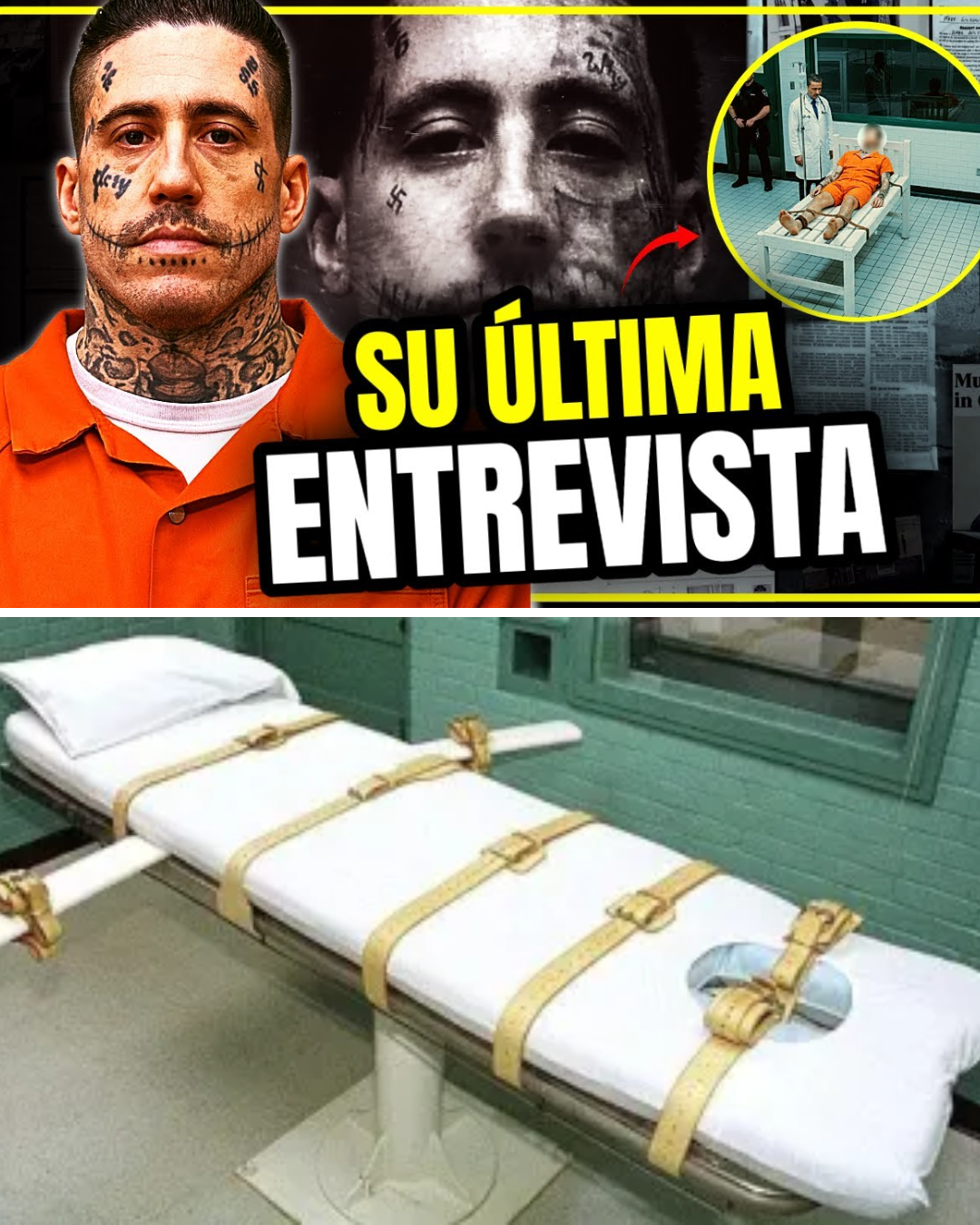
🚨 HE’S ON DEATH ROW — SO WHY ARE WOMEN STILL SENDING HIM LOVE LETTERS?
Wade Wilson was convicted of killing two women.
He was sentenced to death.
He now spends his days behind the walls of a Florida prison, largely isolated from the outside world.
And yet somehow, the attention hasn’t stopped.
Letters keep coming.
Messages keep appearing.
Some women reportedly write to Wilson with sympathy. Others have expressed something far more disturbing — romantic interest in a man convicted of two murders.
Thousands of messages have reportedly surrounded his case since it exploded across social media.
And that leaves one haunting question:
How does a convicted killer end up with admirers while the families of his victims are still grieving?
⚖️ TWO WOMEN. TWO FAMILIES. ONE DEVASTATING CASE.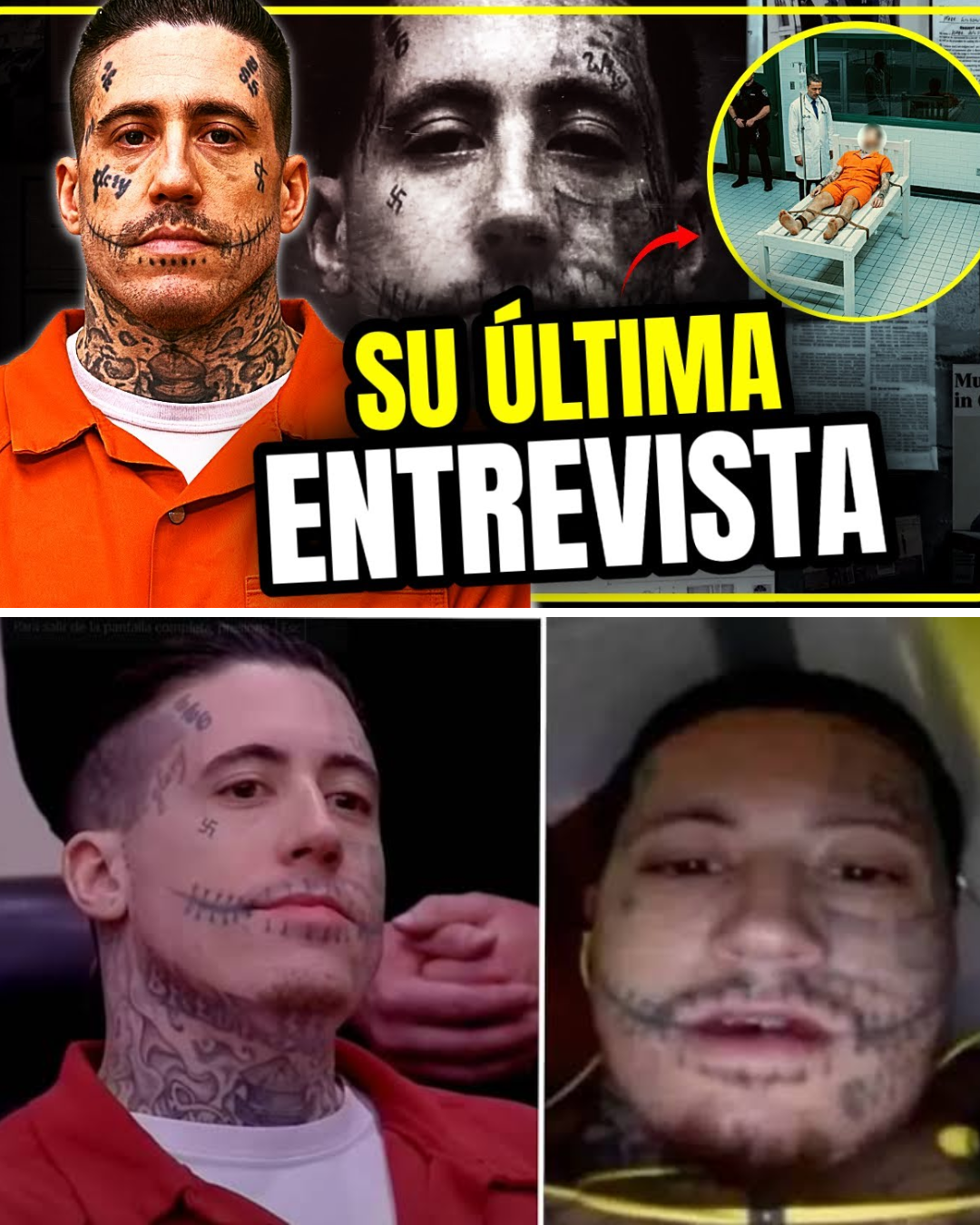
Wilson was convicted of murdering Kristine Melton, 35, and Diane Ruiz, 43, in Cape Coral, Florida, in 2019.
The prosecution’s case painted a horrifying picture of what happened.
Melton encountered Wilson before he allegedly took her vehicle and killed her.
Ruiz, a mother of two, was later approached while she was on her way to work.
Prosecutors argued that Wilson lured her into his vehicle before attacking her.
The evidence presented at trial shocked the public.
But for the families, there was nothing shocking or sensational about what followed.
There was simply an empty space where someone they loved used to be.
A phone that would never ring again.
A chair that would remain empty.
A future that disappeared.
🔒 NOW HE LIVES ON DEATH ROW
Wilson’s world today is almost unimaginably different from the attention he receives online.
There are no crowds.
No freedom.
No normal life.
No walking away whenever he wants.
He remains incarcerated on Florida’s death row while his legal challenges continue.
Reports describe long periods of confinement and isolation, with only limited time outside his cell.
And despite the public fascination surrounding him, there is currently no execution date set.
His case remains tied up in the legal process.
That means the story is far from over.
💌 BUT THEN SOMETHING STRANGE HAPPENED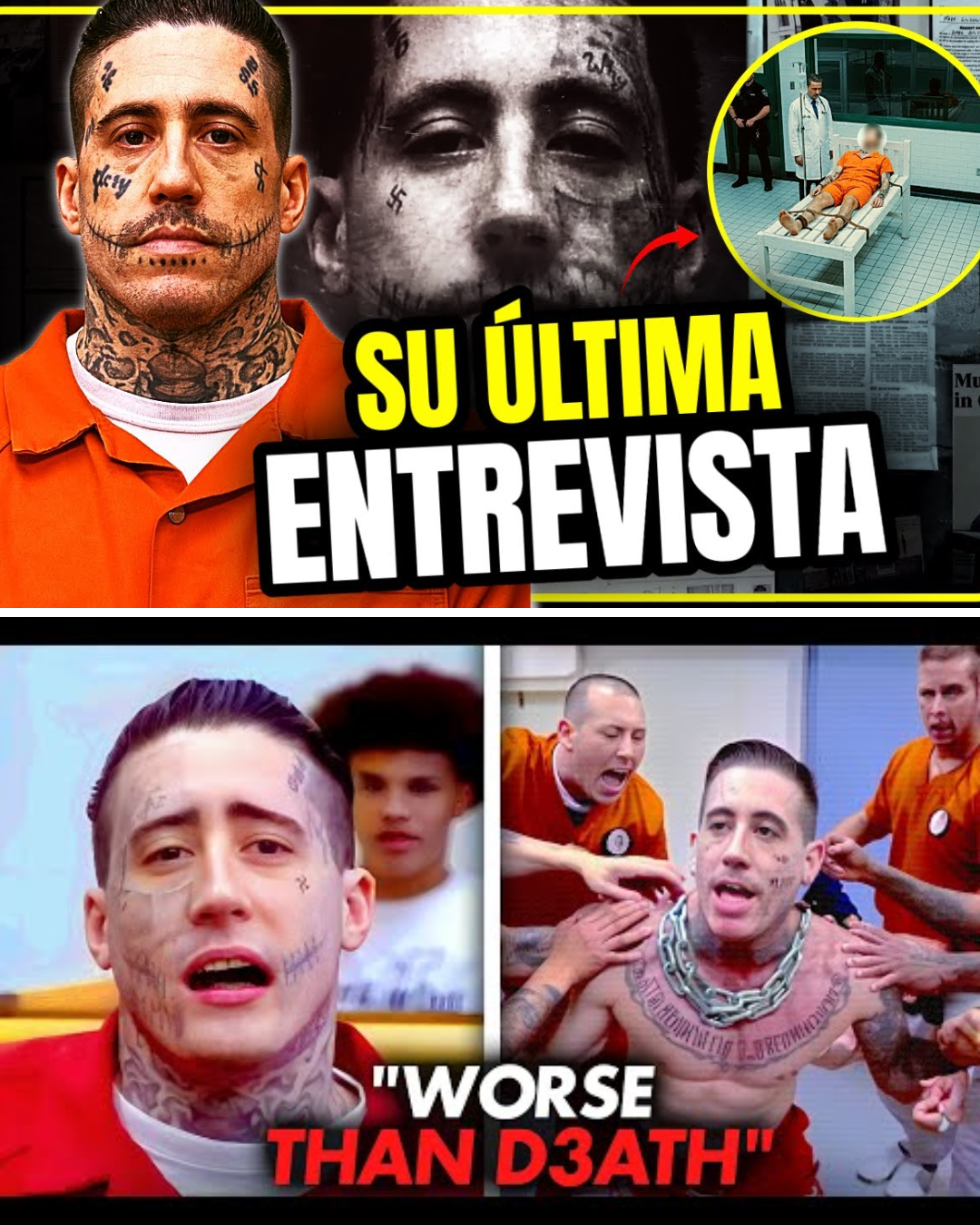
As Wilson’s name spread across the internet, something happened that many people found difficult to understand.
Women began writing to him.
Lots of them.
The attention reportedly grew into thousands of messages connected to the case.
Some people wanted to know more about him.
Some defended him.
And some appeared to develop an emotional or romantic attachment to him.
For the families of the victims, the phenomenon is difficult to comprehend.
Imagine losing someone you love in a violent crime — and then watching strangers online turn the person convicted of killing them into a fascination.
A celebrity.
A crush.
Even a romantic figure.
That is the part of the story that many people simply cannot understand.
😳 THE INTERNET TURNED A MURDER CASE INTO A FANDOM
True crime has become one of the biggest forms of entertainment on the internet.
Millions of people watch documentaries.
They follow court hearings.
They analyze photographs.
They discuss suspects and convicted criminals.
But sometimes, fascination crosses a line.
The Wilson case became a particularly disturbing example of what can happen when a criminal case becomes part of internet celebrity culture.
His face became recognizable.
His name became searchable.
His appearance became a topic of discussion.
And suddenly, the victims risked becoming secondary characters in their own story.
That is what makes the case so uncomfortable.
Kristine Melton wasn’t a character.
Diane Ruiz wasn’t a character.
They were real women with families, memories and people who loved them.
💔 THE FAMILIES NEVER GOT TO MOVE ON
For the people closest to the victims, there is no “next episode.”
There is no scrolling past the story.
There is no turning off the documentary.
There is no closing the app and forgetting what happened.
The grief follows them home.
Every birthday.
Every holiday.
Every family gathering.
Every moment when someone instinctively reaches for the phone to call a person who will never answer.
And while strangers debate Wilson online, those families continue to live with the consequences of what happened.
📺 THEN THE CASE FOUND A NEW AUDIENCE
Years after the murders, Wilson’s story continued to attract attention through documentaries, social media and renewed true-crime coverage.
That brought a new generation of viewers into the case.
Some wanted to understand the psychology behind the crimes.
Others were simply fascinated by the shocking details.
But the renewed attention also created another uncomfortable question:
When does true crime stop being about understanding a tragedy — and start turning the criminal into the star?
That question has followed Wilson’s case everywhere.
🕯️ DON’T LET THE VICTIMS DISAPPEAR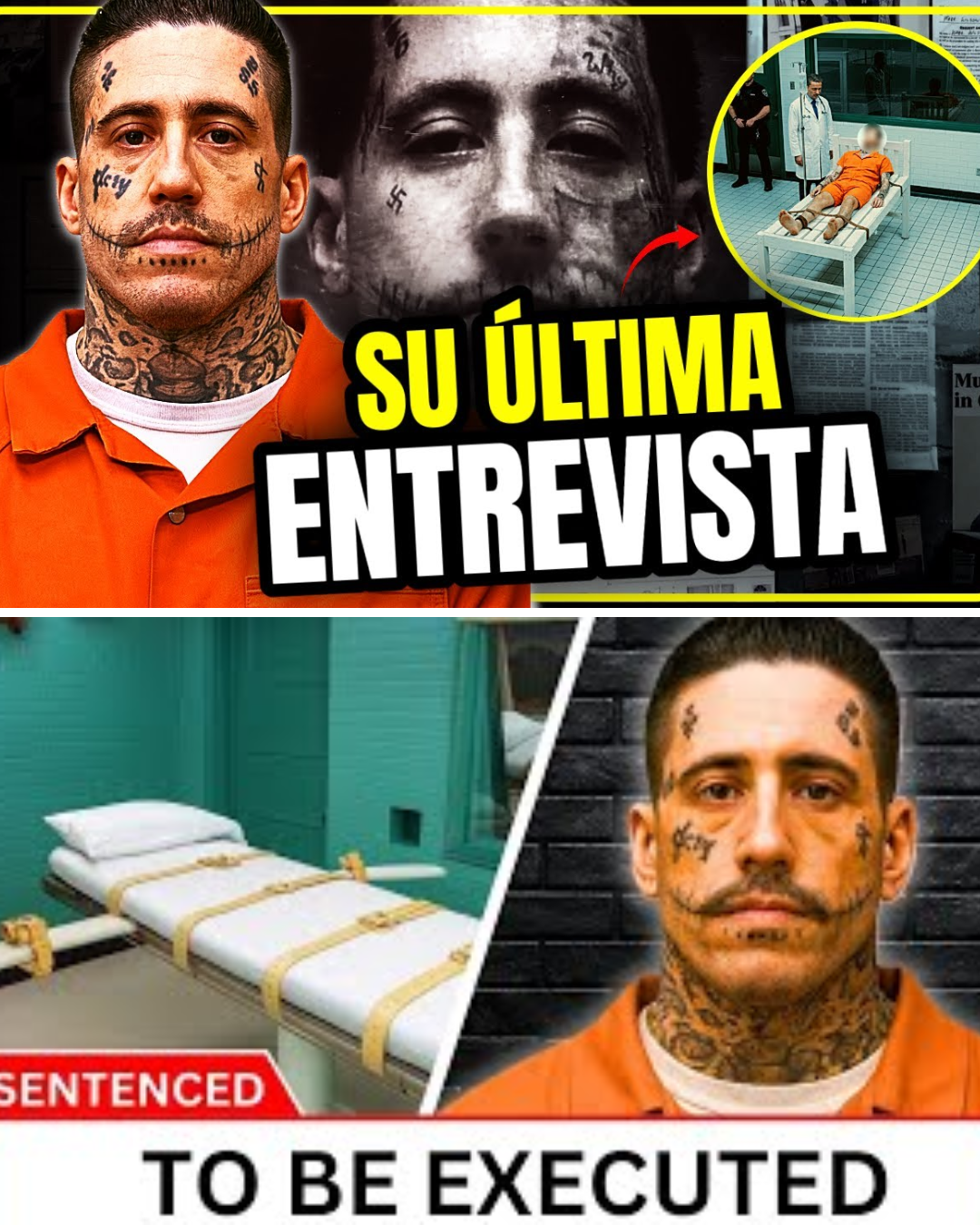
Perhaps the most important thing to remember is what existed before the headlines.
Before “Deadpool Killer.”
Before death row.
Before the documentaries.
Before the thousands of online comments.
There were two women.
Kristine Melton had a life.
Diane Ruiz had a life.
Their families had plans for the future.
And then everything changed.
No amount of internet attention can give those women another day.
No letter can bring them home.
No court hearing can erase what their families experienced.
⏳ AND THE FINAL CHAPTER HASN’T BEEN WRITTEN
Wade Wilson remains on death row.
His legal battle continues.
The attention surrounding him shows no sign of completely disappearing.
But perhaps the most important story is not about the letters he receives.
It is about the people who will never receive another letter from the women they loved.
Because while the internet may continue asking:
“Why are women obsessed with Wade Wilson?”
The families are left asking something much simpler:
“Why did we have to lose them?”
And that is the question no documentary, courtroom appeal or viral post can ever answer.