AILEEN WUORNOS’ FINAL MOMENTS: THE LAST WORDS OF FLORIDA’S INFAMOUS FEMALE SERIAL KILLER
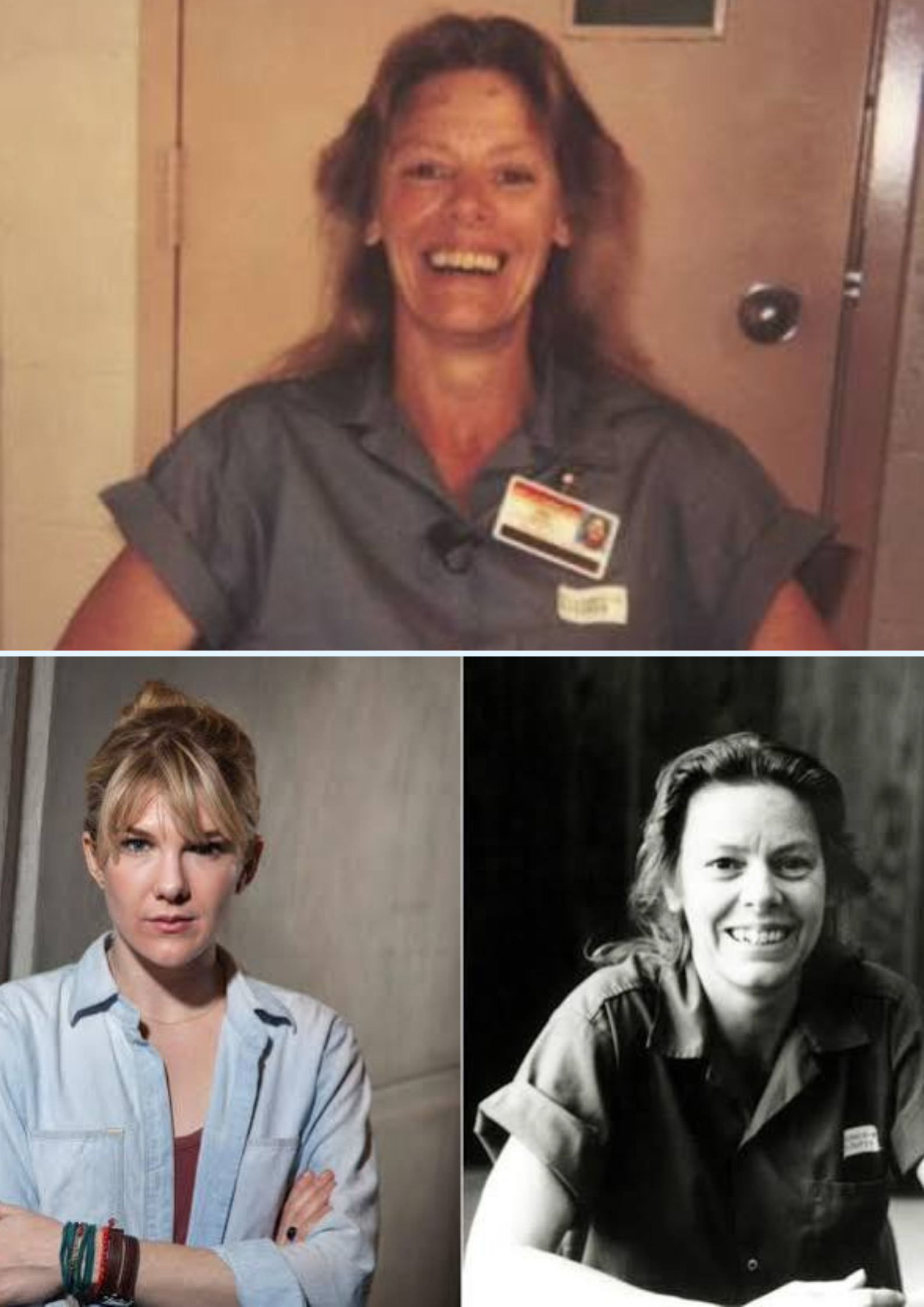
AILEEN WUORNOS’ FINAL MOMENTS: THE LAST WORDS OF FLORIDA’S INFAMOUS FEMALE SERIAL KILLER
On the morning of October 9, 2002, Aileen Wuornos walked into Florida’s death chamber for the final time. Minutes later, the woman whose crimes had shocked the nation was dead.
Wuornos was 46 when she was executed by lethal injection at Florida State Prison near Starke, bringing an end to more than a decade on death row.
She had been convicted of killing six men along Florida highways in 1989 and 1990. Her case became one of the most notorious criminal stories in the United States, later inspiring books, documentaries and films.
On the morning of her execution, Wuornos was reported to be calm.
She had declined to pursue further appeals and had dismissed her attorneys. Two last-minute attempts to stop the execution were rejected by the  Florida Supreme Court.
There had also been questions about whether she was mentally competent to understand the punishment she was about to face. Governor Jeb Bush had previously ordered a mental-health evaluation after concerns were raised about her condition.
Three psychiatrists ultimately concluded that Wuornos understood that she was going to be executed.
Her execution proceeded.
According to contemporary reports, dozens of witnesses were present, including representatives of victims’ families, members of the media and state officials. CNN reported ahead of the execution that 24 witnesses were expected, while another contemporary account reported that 32 people ultimately witnessed it.
When the curtain to the execution chamber opened, witnesses saw Wuornos strapped to a gurney.
A reporter who witnessed the execution described her briefly looking toward the witness area before turning her attention upward.
She was then given an opportunity to make a final statement.
What she said was not a conventional apology or plea for mercy.
Instead, Wuornos spoke about Jesus and a return resembling the ending of the science-fiction film Independence Day.
“I’m sailing with the Rock and I’ll be back like Independence Day with Jesus.”
Her statement continued with a reference to June 6 and a “big mother ship.”
The remarks were spoken softly, and witnesses did not initially hear every word clearly. Contemporary reports differed slightly in their transcription, but they agreed on the central message.
At approximately 9:30 a.m., the execution began.
The lethal drugs were administered through an intravenous line in her right arm.
Reports from witnesses described Wuornos making a brief facial expression and then becoming still. One contemporary account reported that the injection process lasted approximately six minutes.
At 9:47 a.m., officials pronounced her dead.
Her death ended a case that had remained deeply controversial for years.
Wuornos had initially claimed that she killed the men in self-defense, saying that some of them had attacked or sexually assaulted her. During later proceedings, however, she changed her account and admitted killing the men.
She was sentenced to death for the murder of Richard Mallory, her first known victim, and later pleaded guilty or no contest in connection with five additional killings.
Before her execution, Wuornos repeatedly expressed a desire for the process to end.
In a letter to the Florida Supreme Court, she had indicated that she wanted to “get on with the execution.” She ultimately became a so-called volunteer for execution, meaning she stopped pursuing appeals that could have delayed her death.
Her final hours were therefore different from those of many condemned prisoners who continue fighting their sentences until the final legal moment.
Even so, questions surrounding her mental state persisted until the end.
British filmmaker Nick Broomfield, who had previously interviewed Wuornos, expressed his own concerns about her condition after conducting a final interview with her shortly before the execution. State officials, however, maintained that she understood the nature and consequences of the punishment.
After the execution, Wuornos’ body was transported to the medical examiner’s office for a mandatory autopsy.
Her case would continue to attract public attention long after her death.
Wuornos became one of the most recognizable female serial-killer figures in American popular culture, with her life portrayed in books, documentaries and films. Her story also became the subject of intense debate over sexual violence, mental illness, self-defense, capital punishment and the treatment of women accused of violent crimes.
But on October 9, 2002, the story ended inside a Florida prison.
At 9:47 a.m., after the lethal injection had been administered, Aileen Wuornos was pronounced dead.
She was 46 years old.