TRACY SHAW: FORMER CORONATION STREET STAR BREAKS DOWN AS BREAST CANCER BATTLE TAKES ITS TOLL
TRACY SHAW: FORMER CORONATION STREET STAR BREAKS DOWN AS BREAST CANCER BATTLE TAKES ITS TOLL
“I CAN’T GO THROUGH WITH THIS ANYMORE”
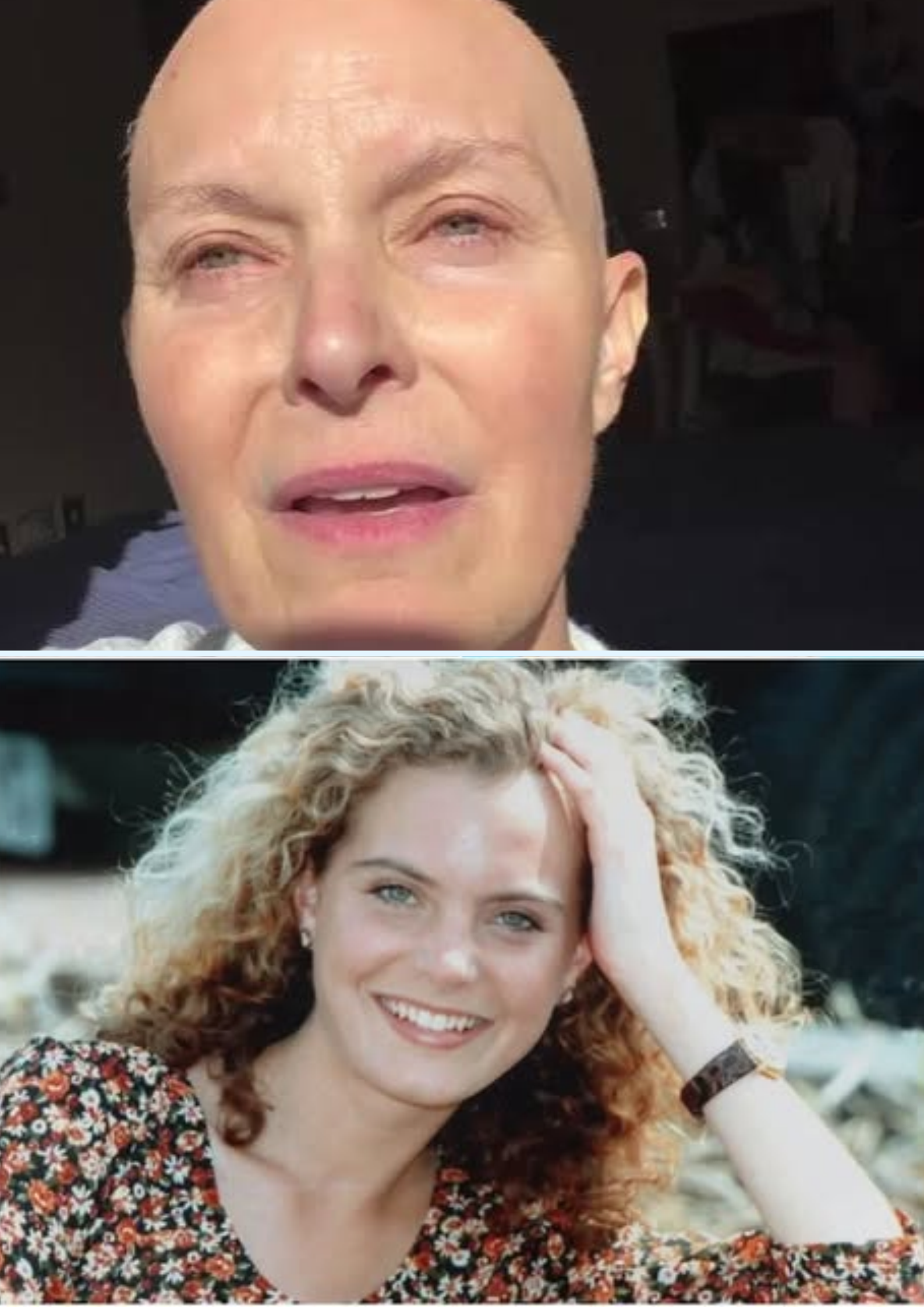
Former Coronation Street actress Tracy Shaw has opened up about the fear and emotional exhaustion surrounding her breast cancer diagnosis, revealing how difficult it was to face the beginning of chemotherapy.
The 53-year-old actress, best known for playing Maxine Peacock on the ITV soap, announced in April 2026 that she had been diagnosed with breast cancer after discovering a lump.
As she prepared to begin treatment, Shaw shared an emotional video in which she admitted that the uncertainty had become overwhelming.
“Each morning I wake up and know that I have to go into hospital and receive more news,” she said, describing the experience as a constant battle with the unknown.
At one point, fighting back tears, she said:
“I just think, ‘I can’t go through with this anymore,’ but I’ve not even started my journey.”
She then explained that she was about to meet other women who were beginning treatment alongside her.
“I’ll go in later today and I’ll meet some other ladies who will start the treatment with me – chemo,” she said.
 A DIAGNOSIS THAT CHANGED EVERYTHING
Shaw discovered the lump earlier this year and was subsequently diagnosed with breast cancer.
The actress has since documented much of her treatment journey on social media, giving followers an unusually personal look at the physical and emotional impact of chemotherapy.
Before beginning treatment, she made the decision to cut her long hair and donate it to the Little Princess Trust, which provides real-hair wigs to children and young people affected by hair loss.
Shaw explained that she wanted to donate her hair before chemotherapy caused it to fall out.
“Another step on this breast cancer journey,” she wrote at the time.
She also addressed cancer survivors directly, writing:
“To all you cancer survivors, I’m coming.”
The decision turned an understandably painful moment into something positive for other people facing illness.
 THE “MOUNTAIN” AHEAD
For Shaw, however, the hardest part was not simply the physical treatment.
It was the uncertainty.
She described waking each morning knowing she would have to return to hospital for more information and more treatment.
Every new symptom could become frightening.
A headache.
A pain.
A small “twinge.”
Instead of dismissing these sensations, Shaw said they could immediately trigger fear about what they might mean.
That anxiety became part of the psychological burden of her diagnosis.
Her emotional video showed just how difficult it was to contemplate months of treatment while knowing that the journey had only just begun.
CHEMOTHERAPY BEGINS
Shaw subsequently began chemotherapy and has continued to update followers throughout the treatment.
By August, she had undergone several rounds.
After her fourth round, she described the treatment as particularly difficult, saying she felt “absolutely rubbish” and that the chemotherapy had hit hard.
She also wrote that knowing what was coming with each cycle did not make the experience easier.
Yet she continued to emphasise the importance of focusing on one day at a time.
“This too shall pass,” she wrote in one update.
She also spoke about finding moments of joy despite the pain and expressed gratitude for the people she had met during treatment.
DOCTORS RAISE CONCERNS ABOUT SIDE EFFECTS
By August, Shaw’s doctors were becoming concerned about the toll chemotherapy was taking on her body.
After her fifth round, she reported repeated bouts of shingles, nerve pain, swollen hands, nail problems and peeling skin.
She said her heart and organs were doing well, but that the treatment was placing significant strain on her body.
Her oncologist was particularly concerned about whether her body would be strong enough for further treatment before surgery.
The situation became more complicated because Shaw’s tumours needed to shrink before surgery could take place.
She later revealed that the cancer was currently considered inoperable until the tumours became smaller.
That meant chemotherapy was not simply one stage of her treatment.
It was an important part of preparing her body for the possibility of surgery.
A SIXTH ROUND COULD AFFECT SURGERY
Doctors were also considering whether Shaw could safely undergo another, stronger round of chemotherapy.
According to reports in August, there were concerns that another intensive treatment could weaken her body further and potentially delay her operation.
Shaw said the side effects had become increasingly difficult to cope with, including repeated shingles and problems affecting her nerves, hands, nails and skin.
For someone already dealing with the uncertainty of cancer, the possibility that treatment itself could affect the timing of surgery added another layer of anxiety.
Yet Shaw continued to share her experience publicly.
EVEN GETTING TO THE HOSPITAL BECAME AN ORDEAL
In September, another seemingly ordinary problem became an emotional breaking point.
Shaw arrived at Royal Berkshire Hospital for a cancer appointment but could not find a parking space.
She said she had arrived early and spent approximately 45 minutes driving around the car park.
Eventually, she missed the appointment.
In an emotional Instagram Story, Shaw explained that she had contacted the hospital and was told the appointment would have to be rearranged.
“The anxiety it’s brought up is horrendous,” she said.
She also recalled that she had previously been late for chemotherapy because of parking difficulties.
For Shaw, the incident was more than an inconvenience.
After months of appointments, scans, chemotherapy and uncertainty, missing an appointment she had been looking forward to added another source of stress to an already difficult period.
THE WOMAN BEHIND MAXINE PEACOCK
Shaw is perhaps best known to British television audiences for playing Maxine Peacock in Coronation Street.
She joined the ITV soap in 1995 and remained on the programme until 2003.
Her character became part of one of the show’s most memorable storylines when Maxine was murdered by serial killer Richard Hillman, played by Brian Capron.
Decades after leaving Weatherfield, Shaw has found herself in a very different kind of public spotlight.
This time, she is not playing a character.
She is documenting her own battle with cancer.
TURNING PAIN INTO SUPPORT FOR OTHERS
One of the recurring themes in Shaw’s updates has been her desire to find something positive even during the hardest moments.
Her decision to donate her hair before chemotherapy was one example.
The hair was given to the Little Princess Trust, which uses donated hair to create wigs for children and young people experiencing hair loss.
Shaw has also repeatedly thanked followers for their messages and encouragement.
She has described the women she met during treatment as “life sisters” and spoken about sharing the experience with others who understand what the journey feels like.
Her posts have therefore become more than personal updates.
They have also offered an unfiltered glimpse into the emotional reality of undergoing cancer treatment.
ONE DAY AT A TIME
Shaw’s journey is still continuing.
The actress has faced multiple rounds of chemotherapy, difficult side effects and uncertainty over when surgery will become possible.
But amid the fear, she has continued trying to focus on small moments of happiness.
She has repeatedly encouraged herself to take the treatment one day at a time, rather than allowing the entire journey ahead to become overwhelming.
There are still important medical decisions ahead.
Her doctors must balance the need to treat the cancer aggressively with the effects that treatment is having on her body.
For Shaw, the road ahead may still feel like a mountain.
But she has continued to document each step — the tears, the pain, the fear and the moments of hope — as she works toward the next stage of her treatment.
And after initially saying, “I can’t go through with this anymore,” she has continued going.
One appointment.
One treatment.
One day at a time.