SHE KNEW SHE WAS ABOUT TO DIE — THEN KARLA FAYE TUCKER HANDED TEXAS OFFICIALS A PLAN TO REFORM PRISONS
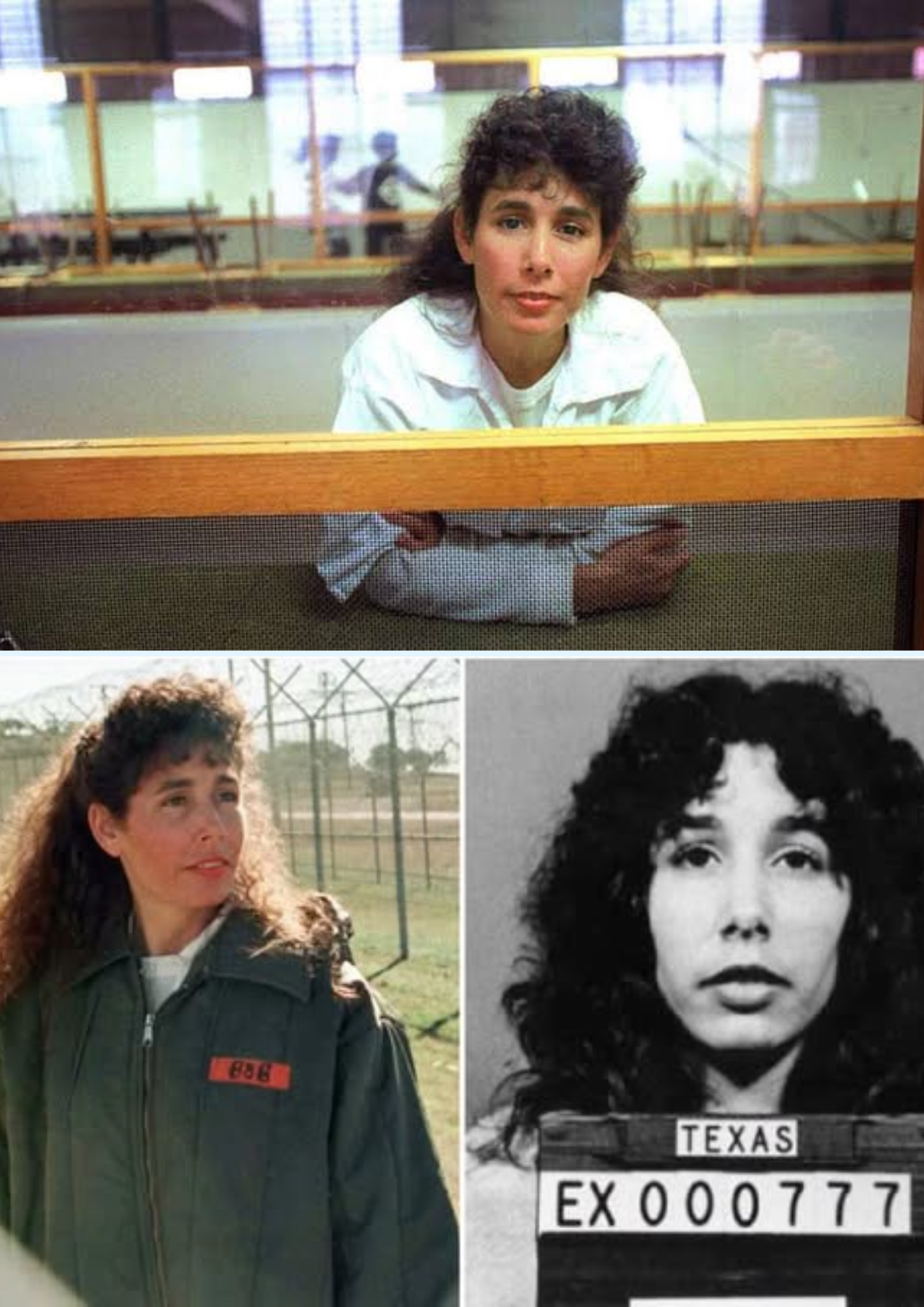
SHE KNEW SHE WAS ABOUT TO DIE — THEN KARLA FAYE TUCKER HANDED TEXAS OFFICIALS A PLAN TO REFORM PRISONS
In the final hours before her execution, Karla Faye Tucker did something unexpected.
Rather than spending all of her remaining time focused solely on her own fate, Tucker wrote a three-page, handwritten proposal about how she believed Texas prisons could better prepare inmates to return to society.
She handed the document to Allan Polunsky, chairman of the Texas Board of Criminal Justice, only hours before she was executed on February 3, 1998.
Tucker had spent 14 years on death row after being convicted in connection with the 1983 murders of Jerry Dean and Deborah Thornton in Houston.
By the final day, her legal efforts to stop the execution had reached their last stages.
She had already been transferred from the women’s death row facility in Gatesville to the Huntsville Unit, where Texas executions were carried out. Contemporary reports said the journey was roughly 175 miles.
There, she waited as her final legal and clemency efforts failed to prevent the scheduled execution.
But amid those final hours, Tucker presented Polunsky with something that was not simply another request for mercy.
 A THREE-PAGE PLAN FOR PRISON REFORM
Tucker called her proposal “A Rehabilitation Plan for Inmates.”
One of her central ideas was that prisoners should be paid for their work, with the money then used to cover costs such as food, clothing, housing and medical care, or directed toward restitution.
Her argument was based on what she had observed during her years in prison.
She believed that providing inmates with everything without requiring them to earn it could contribute to dependency and irresponsibility.
Tucker also argued that prisoners needed greater emphasis on work, life skills and rehabilitation so they could become more responsible before returning to society.
The proposal was striking because Tucker was writing about the future of people who might leave prison — while she herself would never have that opportunity.
Polunsky reportedly described parts of the letter as insightful and said he intended to share it with other members of the board. At the time, however, officials indicated that adopting her proposals was highly unlikely.
 SHE ALSO ASKED FOR A SECOND CHANCE
Tucker’s prison-reform letter was separate from the broader pleas she had made for her own life.
In an earlier letter seeking commutation, Tucker accepted responsibility for the 1983 killings and argued that she had undergone a profound personal transformation during her years in prison.
She wrote that she could not bring back the lives she had taken, but believed she could contribute to society by helping other inmates change and preventing future violence and suicides.
She asked that her death sentence be changed to life imprisonment so she could continue that work.
Her case had attracted enormous national and international attention.
Supporters pointed to her conduct in prison, religious conversion and rehabilitation efforts as reasons to spare her life. Others, including relatives of the victims, opposed clemency and maintained that the severity of the crimes warranted the sentence. Contemporary reporting reflected the intense division surrounding the case.
THE FINAL HOURS
On February 3, 1998, Tucker remained at the Huntsville Unit awaiting the scheduled execution.
The U.S. Supreme Court had rejected her final appeals, and Texas Governor George W. Bush declined to issue a stay.
At approximately 6 p.m. local time, Tucker was taken to the execution chamber.
She was pronounced dead after receiving a lethal injection.
The Texas Department of Criminal Justice records her final statement, in which she apologized to the families of the victims and expressed love for those who had supported her.
She was 38 years old.
A DOCUMENT WRITTEN FOR A FUTURE SHE WOULD NEVER SEE
Tucker’s three-page proposal has remained one of the more unusual details from the final hours of her highly publicized case.
She was facing the end of her own life, yet she used part of those final hours to describe what she believed could be changed inside the prison system.
Her ideas did not alter the outcome of her case.
But the letter became a final record of how, during her years on death row, she wanted her experience to be interpreted: not only as punishment for the crimes she had committed, but also as an argument that people in prison could potentially be taught responsibility, given opportunities for rehabilitation and prepared differently for life beyond prison.
Karla Faye Tucker was executed on February 3, 1998.
The prison-reform proposal she handed over just hours before her death was advice for a future she would never live to see.