SERIAL KI//ER OR POSSIBLE MISCARRIAGE OF JUSTICE? THE LUCY LETBY DEBATE CONTINUES
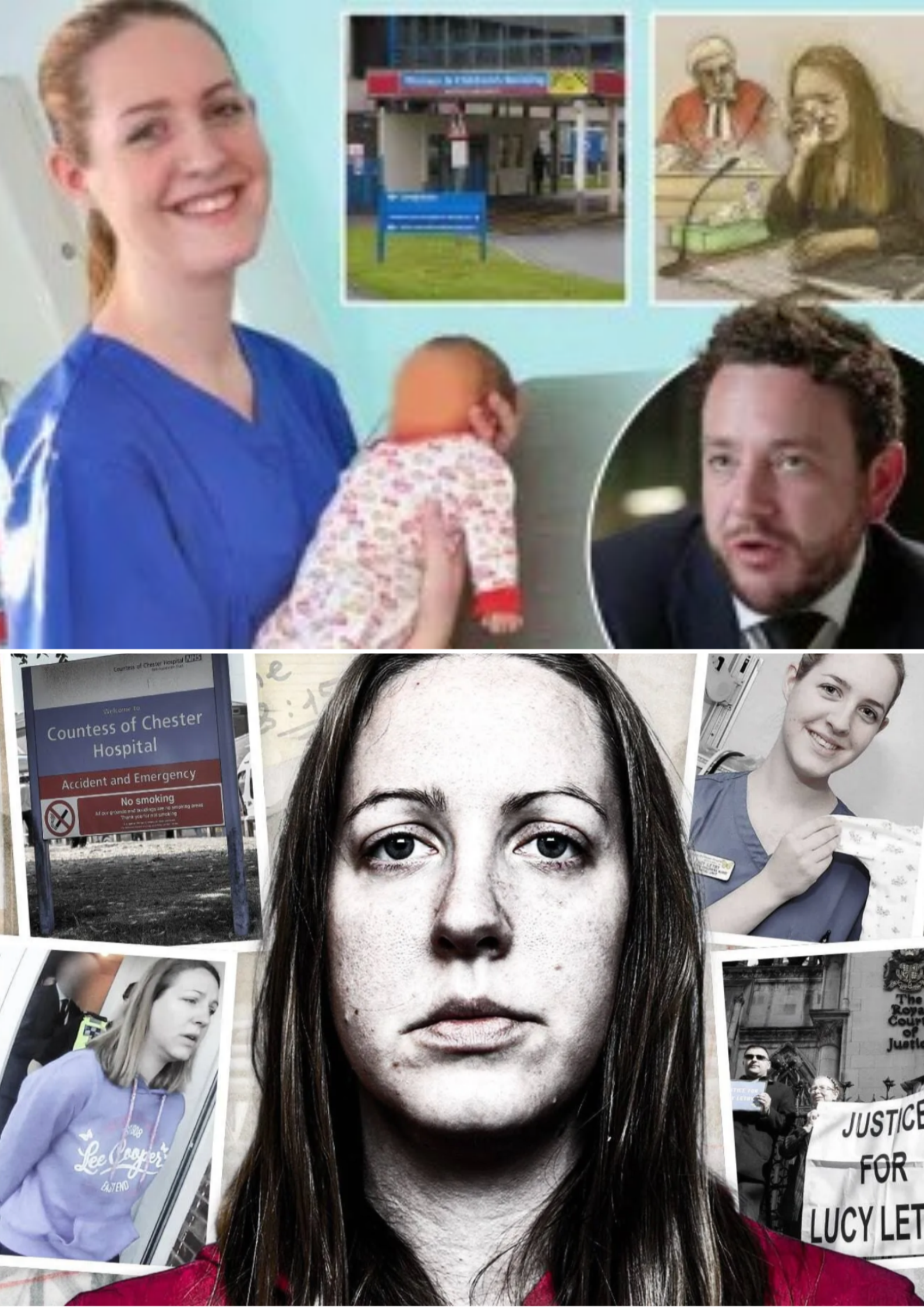
SERIAL KILLER OR POSSIBLE MISCARRIAGE OF JUSTICE? THE LUCY LETBY DEBATE CONTINUES
The case of Lucy Letby remains one of the most fiercely debated criminal cases in Britain, years after the former neonatal nurse was convicted of murdering seven babies and attempting to murder seven others at the Countess of Chester Hospital.
Letby was convicted in her first trial in 2023 of murdering seven babies and attempting to murder six others. In a separate retrial in 2024, she was convicted of attempting to murder another baby.
She is serving 15 whole-life sentences and continues to maintain her innocence.
Yet the legal controversy surrounding the case has not ended.
In recent years, a number of medical and scientific experts have questioned aspects of the evidence presented during Letby’s trials, while her legal team has submitted new expert material to the Criminal Cases Review Commission (CCRC).
The CCRC confirmed in February 2026 that its review of Letby’s convictions was underway. The commission stressed that its role is not to decide whether Letby is innocent or guilty, but to determine whether there is a real possibility that a conviction might not be upheld because of new evidence or legal argument.
 THE EVIDENCE AT THE CENTRE OF THE DISPUTE
The prosecution case at trial relied heavily on medical evidence concerning sudden collapses and deaths among babies in the neonatal unit.
One of the most controversial areas has been the allegation that Letby deliberately injected two premature babies with insulin.
A group of international experts brought together by Letby’s defence has challenged aspects of that interpretation, arguing that some of the babies’ medical conditions could have had natural explanations or could have been associated with problems in their medical care.
In 2025, Canadian paediatrician Dr Shoo Lee and other specialists publicly questioned aspects of the prosecution’s medical evidence. The experts argued that the evidence did not establish murder in the cases they reviewed. These views have been strongly disputed by those who support the convictions and by lawyers representing the families of the babies.
The controversy is particularly significant because the defence argues that changes in blood-test results and other medical evidence were interpreted incorrectly.
However, these alternative interpretations have not overturned Letby’s convictions.
TWO EXPERTS WITHDRAW FROM HER DEFENCE TEAM
The debate took another turn in September 2026.
Chemical engineering expert Helen Shannon and bioengineering professor Geoff Chase, who had previously produced expert material questioning the prosecution’s interpretation of the insulin cases, withdrew from Letby’s defence team.
The two experts said they continued to stand by their assessment that it was very unlikely that two of the babies had been poisoned with insulin.
However, they said they could not support other arguments being advanced on Letby’s behalf, describing some of those arguments as inconsistent with available evidence, science and established physiology.
Their withdrawal did not amount to a finding that Letby was guilty or that the convictions were necessarily safe. Instead, it highlighted the continuing disagreement among experts over how particular medical evidence should be interpreted.
 QUESTIONS ABOUT THE HOSPITAL
At the same time, the Thirlwall Inquiry examined what happened inside the Countess of Chester Hospital before and during the period when babies were dying or suffering unexplained collapses.
Its final report, published on September 15, 2026, identified serious failures in management, governance and safeguarding.
Lady Justice Kathryn Thirlwall concluded that there had been a major failure to respond appropriately when doctors raised concerns about possible deliberate harm.
The inquiry found a disconnect between hospital leadership and clinicians and concluded that safeguarding procedures were not properly understood or followed. It also found that senior management delayed contacting police after doctors raised concerns.
The report further found that some babies’ deaths or collapses might have been avoided if safeguarding procedures had been followed and concerns had been acted upon earlier.
But the inquiry’s findings about hospital management are separate from the criminal question of whether Letby committed the offences for which she was convicted.
The inquiry was not an appeal court and did not overturn her convictions.
WHAT HAPPENS NEXT?
Letby’s legal team continues to pursue a review through the Criminal Cases Review Commission.
The CCRC has received multiple submissions and expert reports on her behalf since the initial application was submitted in February 2025. As of February 2026, the commission said its review was ongoing.
For a case that has already gone through two trials and unsuccessful appeals, the CCRC process represents another potential legal route.
However, it does not automatically mean that a retrial will take place.
The commission can refer a case to an appellate court only if it concludes that the legal threshold for doing so has been met.
Until that happens, Letby’s convictions remain in force.
A CASE STILL DIVIDING OPINION
The Lucy Letby case now sits at the intersection of two very different questions.
The first is the criminal verdict: a jury convicted Letby of murdering seven babies and attempting to murder seven others, and those convictions remain legally valid.
The second concerns the interpretation of the medical evidence, the handling of concerns inside the hospital and whether new expert analysis could eventually affect the legal position.
The Thirlwall Inquiry’s findings have established serious institutional failures at the hospital. Meanwhile, the CCRC is examining the fresh material submitted on Letby’s behalf.
Neither development, by itself, establishes that Letby was wrongly convicted.
For now, the central legal question remains unresolved: will the new evidence be sufficient to persuade the courts to reconsider any of her convictions?
Until the CCRC and the courts reach further decisions, the convictions remain in place — while the debate over the evidence continues.