HOURS BEFORE HER EXECUTION, KARLA FAYE TUCKER WROTE A PRISON REFORM PLAN FOR A FUTURE SHE WOULD NEVER SEE
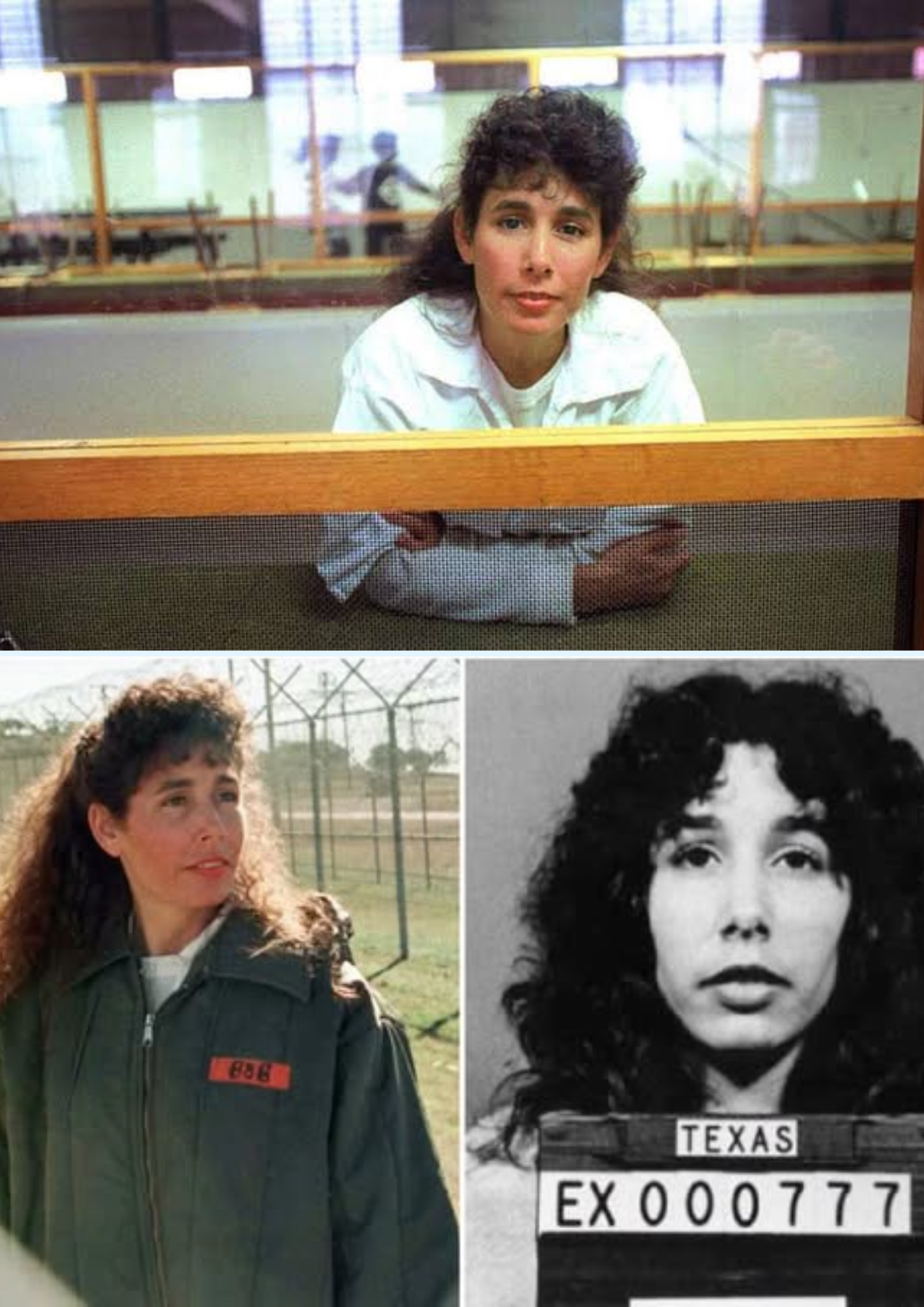
HOURS BEFORE HER EXECUTION, KARLA FAYE TUCKER WROTE A PRISON REFORM PLAN FOR A FUTURE SHE WOULD NEVER SEE
Hours before her execution, Karla Faye Tucker did something few people would have expected.
She wrote a three-page proposal for prison reform.
Tucker was scheduled to be executed in Texas on February 3, 1998, for her role in the 1983 killings of Jerry Dean and Deborah Thornton.
But instead of using her final hours solely to ask for mercy, Tucker handed Texas Board of Criminal Justice Chairman Allan Polunsky a handwritten plan outlining how she believed prisons could better prepare inmates to return to society.
The document was titled “A Rehabilitation Plan for Inmates.”
 A PLAN FOR PRISONERS SHE WOULD NEVER SEE IMPLEMENTED
Tucker argued that inmates should be required to work and learn responsibility while incarcerated.
She proposed that prisoners be paid for their work, with part of that money going toward the cost of their food, clothing, housing and medical care.
Her broader argument was that prison should not simply provide basic necessities without requiring inmates to develop responsibility and useful skills.
The proposal reflected Tucker’s own transformation during her years on death row and her belief that rehabilitation should play a greater role in the prison system.
It was advice directed toward a future she knew she was unlikely to live to see.
 HER FINAL LEGAL FIGHT
Tucker had spent about 14 years on death row.
On the day before her execution, she was transferred to the Huntsville Unit, where Texas carried out executions.
Her lawyers continued pursuing last-minute legal challenges while supporters appealed to officials for clemency.
The case had attracted international attention because Tucker was set to become the first woman executed by Texas since the Civil War.
She had also become a prominent figure in debates over rehabilitation, redemption and the death penalty after becoming a born-again Christian while in prison.
But the final appeals failed.
The U.S. Supreme Court rejected her last appeals on February 3, 1998, and Gov. George W. Bush declined to grant a 30-day reprieve.
HER FINAL HOURS
Tucker spent her final hours meeting with family members and friends.
She also continued expressing remorse for the two lives she had taken.
Her case had divided public opinion. Supporters argued that her transformation and rehabilitation should be considered, while victims’ relatives and death-penalty supporters argued that the punishment should stand.
Tucker was executed by lethal injection at the Huntsville Unit at 6:45 p.m. on February 3, 1998.
She was 38.
Her final statement included apologies to the families of her victims and expressions of love toward those who had supported her.
A LETTER THAT OUTLIVED ITS AUTHOR
Tucker’s three-page prison reform proposal never became a second chance for her.
But the document remains part of the unusual final chapter of her life: while waiting to learn whether the courts would allow her execution to proceed, she was still thinking about what could happen to other prisoners after she was gone.
Whatever one’s view of her crime or punishment, the letter captured a striking contradiction of her final days — she was facing the end of her own life while writing about how the prison system might give others a different future.