HOURS BEFORE HER EXECUTION, KARLA FAYE TUCKER WROTE A PRISON REFORM PLAN FOR A FUTURE SHE WOULD NEVER SEE
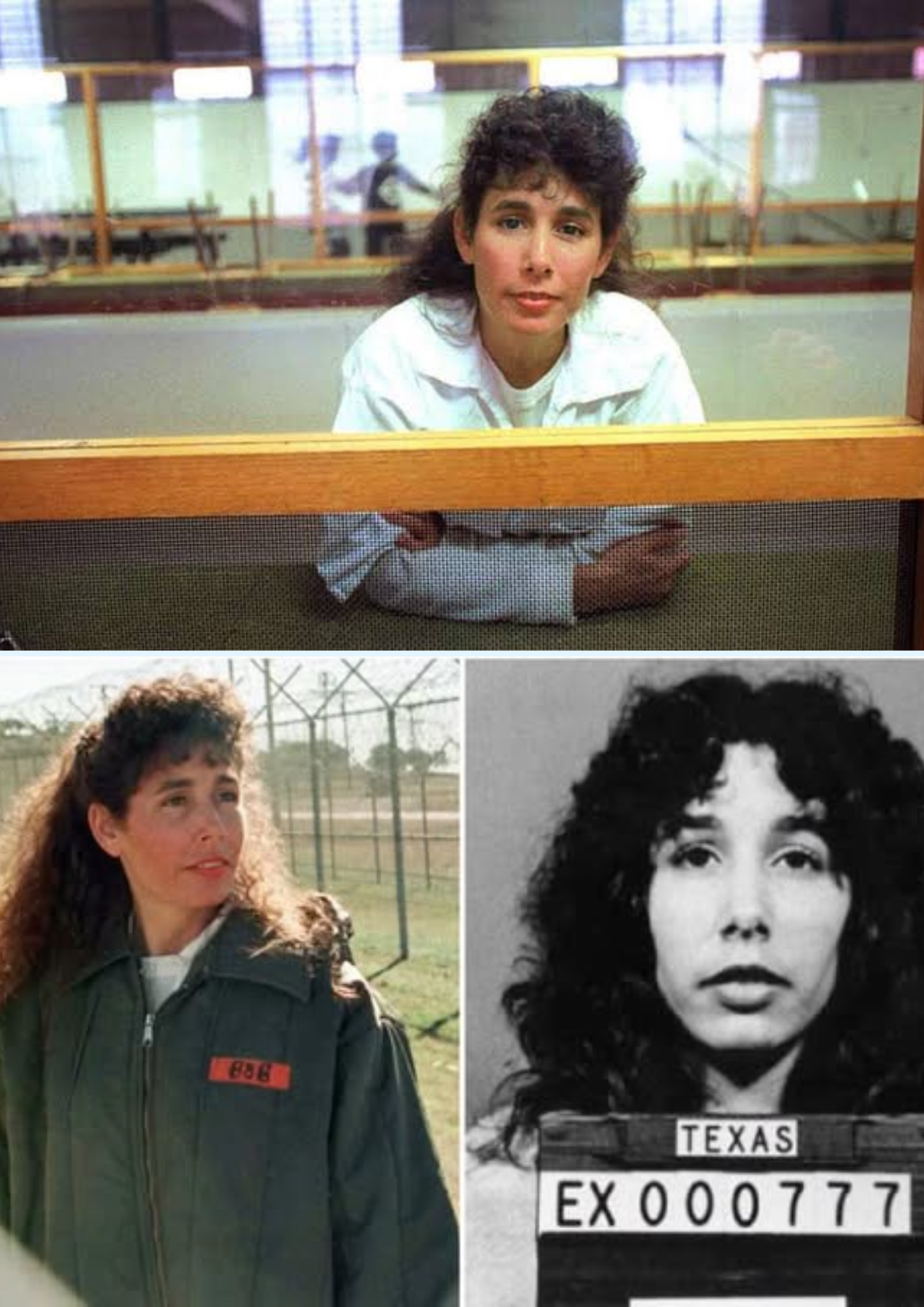
HOURS BEFORE HER EXECUTION, KARLA FAYE TUCKER WROTE A PRISON REFORM PLAN FOR A FUTURE SHE WOULD NEVER SEE
The night before her scheduled execution, Karla Faye Tucker was not simply writing about her own fate.
From death row in Texas, Tucker handed prison officials a three-page handwritten letter addressed to Allan Polunsky, chairman of the Texas Board of Criminal Justice.
It was not a last-minute legal argument.
Instead, Tucker used the letter to outline her ideas for changing the prison system — including rehabilitation, work and greater personal responsibility for inmates.
According to contemporary reports, Tucker argued that prisoners should have opportunities to work and contribute rather than simply receive everything from the state. She believed such a system could help inmates become more responsible and better prepared for life.
It was advice about a future she would never live to see.
 A WOMAN WAITING FOR HER FINAL APPEALS
Karla Faye Tucker was 38 when Texas scheduled her execution for February 3, 1998.
She had spent roughly 14 years on death row after being convicted of the 1983 murders of Jerry Lynn Dean and Deborah Thornton during a robbery in Houston.
Tucker did not deny her role in the killings.
Instead, during her years in prison, she underwent a highly publicized religious transformation and became an advocate for rehabilitation and spiritual change.
Her case attracted international attention, with religious leaders including Pat Robertson and Jerry Falwell publicly supporting clemency. Sister Helen Prejean, the anti-death-penalty campaigner whose book Dead Man Walking had brought renewed attention to capital punishment, also became involved in Tucker’s case.
But Texas officials ultimately refused to commute her sentence.
 THE LETTER TO THE PRISON BOARD
Tucker’s three-page letter focused on what she believed was wrong with the way prisoners were treated.
She argued that simply providing inmates with food, housing and other necessities without requiring meaningful responsibility could encourage dependence.
Her proposal emphasized work, rehabilitation and accountability.
The letter was striking because it was written by someone who knew she might not live long enough to see any of her suggestions implemented.
Polunsky later discussed the letter publicly, saying Tucker had offered ideas about how Texas prisons could better rehabilitate inmates.
It became one of the final pieces of writing associated with Tucker’s life.
THE LAST LEGAL FIGHT
Even as Tucker prepared for the possibility of death, her lawyers continued pursuing legal options.
Her request for clemency had been rejected by the Texas Board of Pardons and Paroles, leaving the courts as her remaining avenue.
The U.S. Supreme Court was ultimately asked to intervene.
Contemporary reporting described the Supreme Court appeal as Tucker’s final legal hope as the execution time approached.
The court did not stop the execution.
Texas carried out the lethal injection at the Huntsville Unit on February 3, 1998.
Tucker was pronounced dead shortly after 6 p.m.
A CASE THAT DIVIDED THE COUNTRY
Tucker’s execution became one of the most closely watched capital-punishment cases in the United States at the time.
Supporters argued that her transformation in prison demonstrated the possibility of rehabilitation and redemption.
Others, including relatives of her victims, continued to believe that the death sentence was justified by the killings.
The debate extended far beyond Tucker herself, raising questions about punishment, rehabilitation and whether a person should be defined permanently by the worst act of their life.
Her three-page prison-reform letter added another unusual dimension to that debate.
While waiting for the state to decide whether she would live or die, Tucker was still thinking about what should happen to people who remained behind prison walls.
She would not see whether her ideas changed the system.
But the letter survived as a final record of the future she imagined — even as her own future was rapidly disappearing.