LUCY LETBY CASE: DOCTOR WHO HELPED CONVICT HER NOW SAYS HE IS “NOT CERTAIN” DELIBERATE CRIMES TOOK PLACE
LUCY LETBY CASE: DOCTOR WHO HELPED CONVICT HER NOW SAYS HE IS “NOT CERTAIN” DELIBERATE CRIMES TOOK PLACE
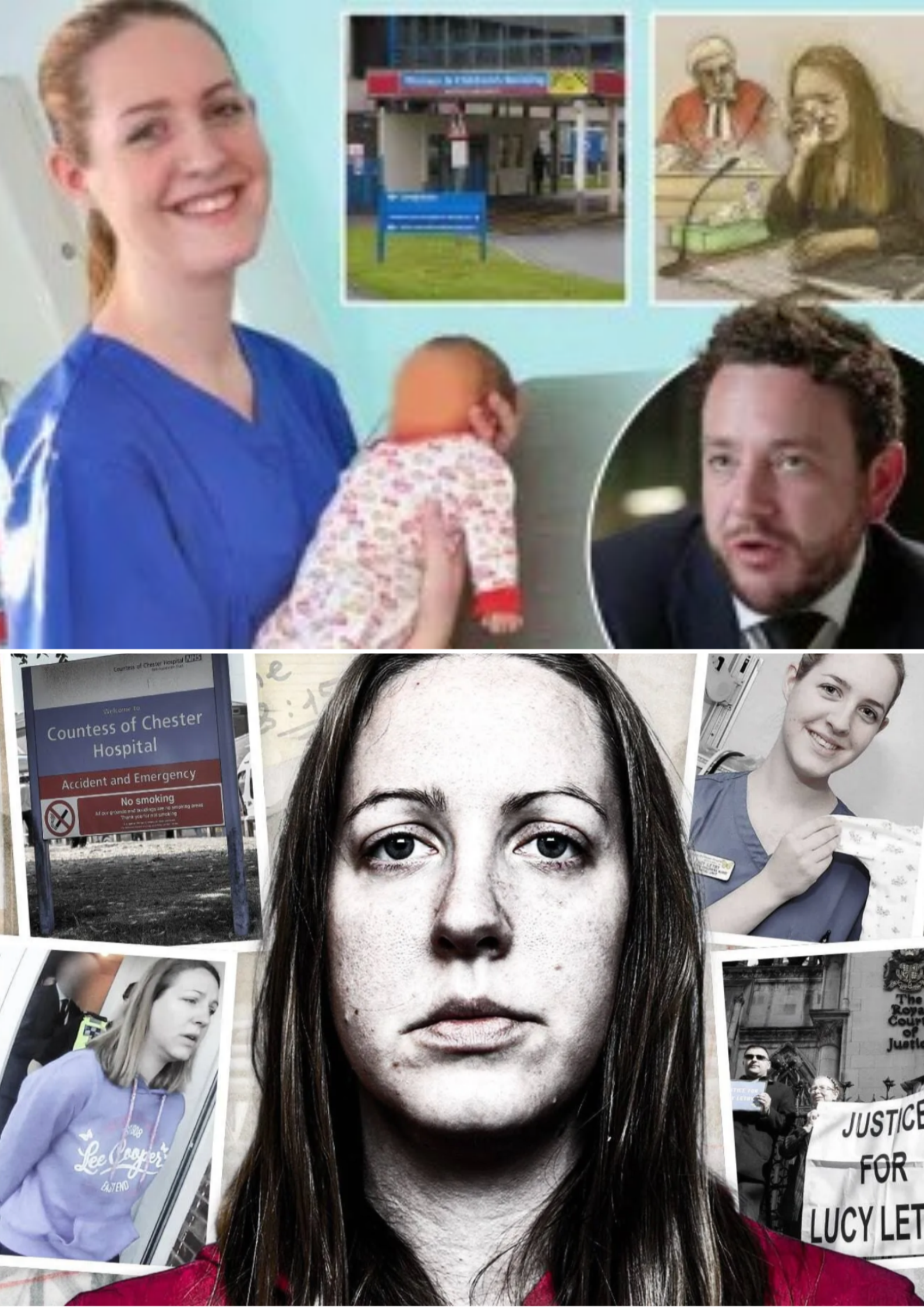
A dramatic new development has reignited the debate surrounding the Lucy Letby case.
Dr John Gibbs, the retired paediatrician whose evidence contributed to the prosecution case, has reportedly said he is no longer certain that the babies were deliberately harmed — and believes a retrial could now be appropriate if compelling new evidence emerges.
Gibbs was one of the consultants whose evidence helped prosecutors build their case against Letby, who was convicted of murdering seven babies and attempting to murder seven others at the Countess of Chester Hospital between 2015 and 2016.
Letby continues to deny the offences, and her convictions remain in place.
 A PIVOTAL CHANGE OF VIEW
According to recent reporting, Gibbs has expressed a “very small concern” that no deliberate harm may have taken place.
He has also suggested that a retrial could potentially be the most appropriate course if the new evidence surrounding the case proves compelling.
That does not mean the convictions have been overturned.
Instead, it adds another significant voice to an increasingly complex debate over the medical evidence that was presented to the original juries.
 NEW MEDICAL EVIDENCE IS BEING EXAMINED
Letby’s legal team has submitted extensive new material to the Criminal Cases Review Commission (CCRC), including reports from medical and scientific experts.
The CCRC confirmed in February that its review of Letby’s convictions is underway. It said additional expert reports and submissions had continued to arrive and stressed that its role is to investigate potential miscarriages of justice — not to determine guilt or innocence itself.
Among the experts challenging aspects of the original prosecution evidence is an international group examining issues including insulin, endocrinology and laboratory medicine.
Letby’s barrister Mark McDonald has argued that this new evidence raises fundamental questions about the scientific basis of parts of the prosecution case.
BUT EXPERTS DO NOT ALL AGREE
The controversy has become more complicated rather than simpler.
Two scientists who previously produced evidence supporting challenges to the insulin-related convictions recently withdrew from Letby’s defence team.
Helen Shannon and Geoff Chase said they continued to stand by their assessment that it was highly unlikely that two babies had been poisoned with insulin, but said they could not support some other arguments being advanced by the defence because they considered them inconsistent with available evidence, science and established physiology.
Letby’s barrister disputes that this undermines the wider case, saying the defence has evidence from other international experts and that its arguments do not depend on any single expert.
THE CCRC HAS NOT REACHED A DECISION
The most important legal point is that there has been no decision yet to overturn Letby’s convictions.
The CCRC is still examining the material submitted by her legal team.
If it concludes that new evidence creates a real possibility that a conviction would not be upheld, it can refer the case to an appellate court.
The commission has specifically stressed that it makes independent, evidence-based decisions and does not determine whether a person is innocent or guilty.
WHAT ABOUT THE CPS?
Claims circulating online that the Crown Prosecution Service is “terrified” of releasing hidden laboratory data are not established by the official record.
What is documented is that the CPS reviewed further allegations involving other babies and decided in January 2026 that the evidential test for additional charges had not been met.
That decision was independently reviewed after requests under the Victims’ Right to Review scheme, and the CPS confirmed in August that its original decision would stand.
That separate decision does not overturn Letby’s existing convictions.
THE THIRLWALL INQUIRY ADDED ANOTHER LAYER
The recent Thirlwall Inquiry also examined what happened at the Countess of Chester Hospital before and during the period in which the babies became critically ill.
Its findings strongly criticised hospital management and the delay in escalating concerns to police.
However, the inquiry was not established to determine whether Letby was wrongly convicted, and its conclusions do not amount to a ruling on the validity of her criminal convictions.
SO WHAT HAPPENS NEXT?
For now, the legal position remains unchanged: Lucy Letby is serving 15 whole-life sentences following her convictions, while the CCRC continues examining the new evidence submitted on her behalf.
The extraordinary development is that some people who previously supported elements of the prosecution case are now raising questions about whether the medical evidence has been interpreted correctly.
Dr John Gibbs’ reported change in position is therefore likely to receive significant attention — but whether it ultimately leads to a retrial or any change to the convictions is a matter for the legal process.
The case remains one of the most closely watched and fiercely debated criminal cases in Britain, with bereaved families, prosecutors, defence experts and independent medical specialists offering sharply different interpretations of the same events.