LUCY LETBY CASE THROWN INTO A NEW GLOBAL LEGAL STORM — INTERNATIONAL MEDICAL EXPERTS CHALLENGE KEY EVIDENCE AS FRESH DOCUMENTS AND STATISTICAL QUESTIONS PUT HER CONVICTIONS UNDER INTENSE SCRUTINY
LUCY LETBY CASE THROWN INTO A NEW GLOBAL LEGAL STORM — INTERNATIONAL MEDICAL EXPERTS CHALLENGE KEY EVIDENCE AS FRESH DOCUMENTS AND STATISTICAL QUESTIONS PUT HER CONVICTIONS UNDER INTENSE SCRUTINY
Britain’s most controversial neonatal murder case is facing renewed scrutiny as independent medical experts, statisticians and newly reported evidence raise questions about some of the scientific reasoning used at trial.
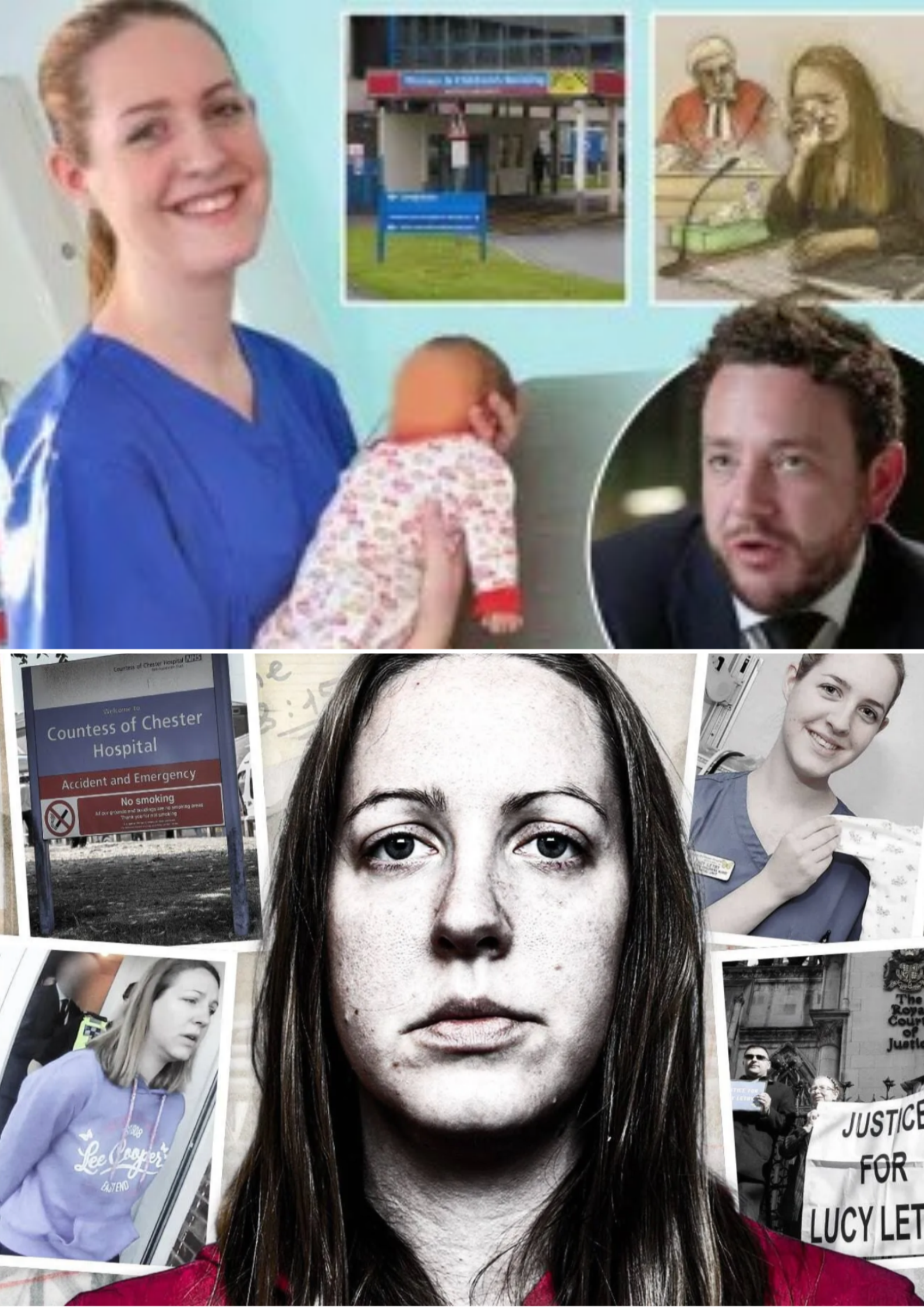
Lucy Letby remains behind bars, serving 15 whole-life orders after being convicted across two trials of murdering seven babies and attempting to murder seven others at the Countess of Chester Hospital.
But the legal battle surrounding her convictions is far from over.
The Criminal Cases Review Commission — the body responsible for investigating potential miscarriages of justice — is currently examining a substantial dossier submitted on Letby’s behalf.
And new developments have placed some of the evidence at the centre of an increasingly intense scientific debate.
INTERNATIONAL EXPERTS HAVE RAISED SERIOUS QUESTIONS
One of the most significant challenges has involved the medical evidence surrounding two babies whom Letby was convicted of attempting to murder by insulin poisoning.
A panel of international medical experts led by retired Canadian neonatologist Professor Shoo Lee has argued that the medical evidence does not establish that the babies were deliberately poisoned.
The panel included specialists from several countries and disciplines.
Its conclusions have been strongly disputed by those who support the original convictions, meaning the claims remain part of an ongoing legal and scientific dispute rather than a judicial finding that Letby was wrongly convicted.
Meanwhile, two experts who had been assisting Letby’s defence team — chemical engineering expert Helen Shannon and bioengineering professor Geoff Chase — recently withdrew after raising concerns about some arguments being advanced by the defence.
Importantly, they said they continued to stand by their assessment that it was “very unlikely” that two babies had been poisoned, while saying they could not support other arguments they believed were scientifically unsound.
 QUESTIONS ABOUT THE STATISTICS
Statistics have also become a major point of controversy.
During Letby’s original trial, prosecutors relied partly on charts showing the nurses present during incidents involving babies who died or collapsed.
Some statisticians have argued that the way such information was presented could be misleading and that presence on a shift does not, by itself, demonstrate causation.
Professor Richard Gill, a statistician who has previously worked on cases involving wrongful convictions of nurses in Europe, has been among those challenging aspects of the statistical reasoning surrounding the Letby case.
A 2026 paper by Gill also criticised statistical analysis of the roster evidence, while arguing that the roster chart should not have been presented to jurors as evidence of guilt.
 THEN CAME THE MATERNITY RECORDS
Another major development emerged in July.
The BBC reported that maternity notes relating to babies in the Letby case had been seized by Cheshire Police but were not reviewed by the prosecution’s chief medical expert or disclosed to Letby’s defence before trial.
The records contained information about the mothers’ pregnancies, labour and births — potentially relevant medical background when assessing why premature or seriously ill babies deteriorated.
That revelation has intensified questions from those already examining whether alternative medical explanations received sufficient consideration.
BUT LETBY’S CONVICTIONS HAVE NOT BEEN OVERTURNED
Despite the growing debate, it is crucial to separate new challenges to the evidence from an actual legal reversal.
Letby remains convicted.
The Court of Appeal has previously rejected attempts to overturn her convictions, and the CCRC has not announced that it has referred the case back to the courts.
The commission itself has stressed that its role is not to declare someone innocent or guilty. Its job is to determine whether new evidence or arguments create a real possibility that a conviction might not be upheld.
THE BIGGER QUESTIONS ARE NOW HARDER TO IGNORE
The controversy has also unfolded alongside the Thirlwall Inquiry, which examined what happened at the Countess of Chester Hospital and how concerns about the neonatal unit were handled.
Its final report was published on September 15, 2026.
The inquiry is separate from the criminal appeal process and does not itself decide whether Letby’s convictions were safe.
At the same time, the CPS confirmed in August that it would not bring additional charges against Letby over six further infants after an independent review of the evidence.
SO, COULD THE VERDICT ACTUALLY CHANGE?
That remains an open legal question.
The evidence being examined by Letby’s lawyers and the CCRC has not yet resulted in her convictions being overturned.
But the combination of disputed medical interpretations, questions surrounding statistical evidence, newly reported maternity records and competing expert opinions means the case continues to attract extraordinary international attention.
For now, Lucy Letby remains convicted and imprisoned.
But the scientific and legal arguments surrounding those convictions are still being fought.
And the question now hanging over the case is not simply what the original jury believed — but whether the courts will ultimately decide that the new evidence is strong enough to change the legal outcome.