“NEW EXPERT EVIDENCE RAISES FRESH QUESTIONS”: LUCY LETBY’S CONVICTIONS UNDER REVIEW AS SCIENTIFIC DEBATE INTENSIFIES
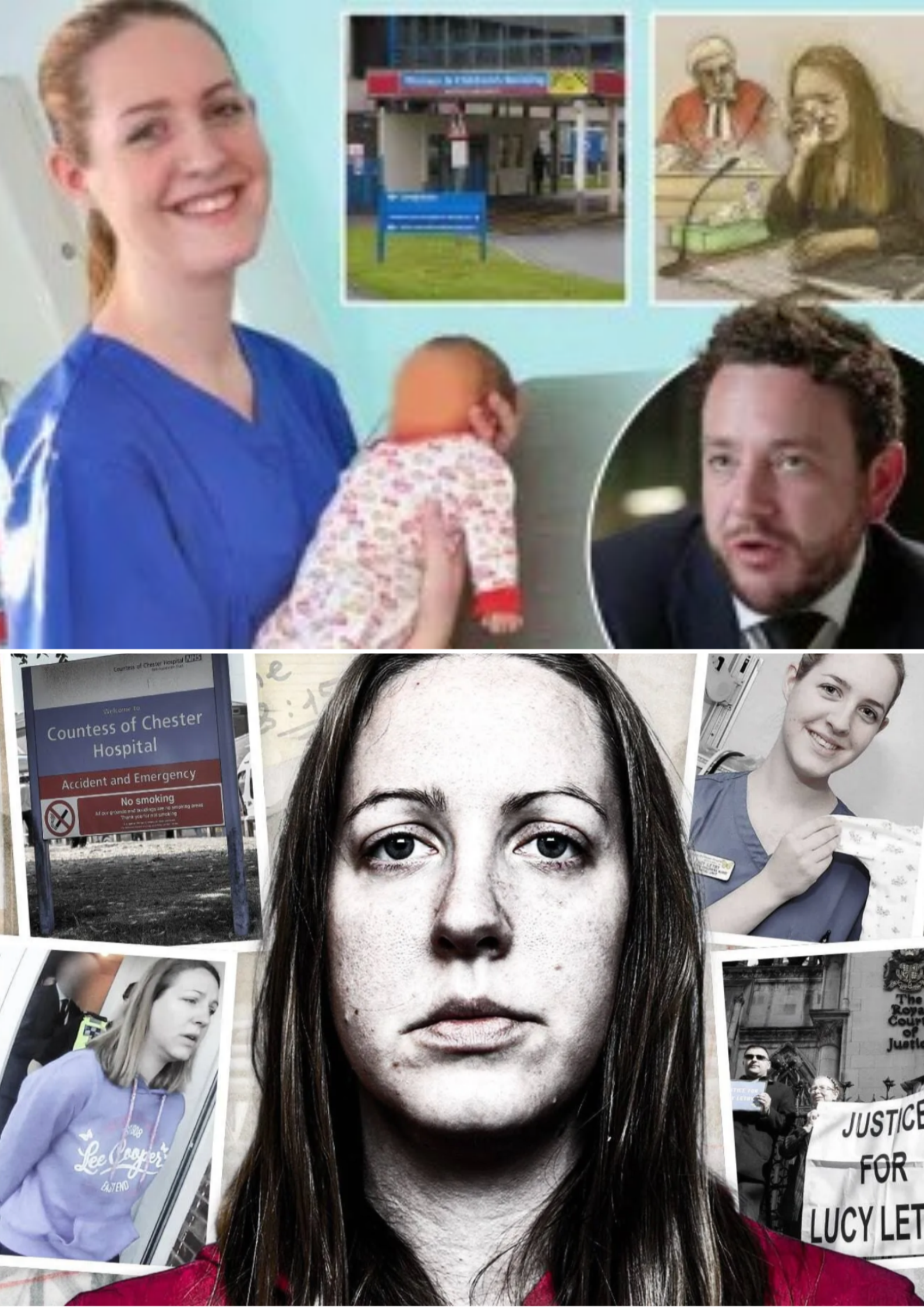
“NEW EXPERT EVIDENCE RAISES FRESH QUESTIONS”: LUCY LETBY’S CONVICTIONS UNDER REVIEW AS SCIENTIFIC DEBATE INTENSIFIES
The former neonatal nurse is serving 15 whole-life prison terms — but new expert submissions, questions about medical records and a continuing independent review have kept one of Britain’s most closely watched criminal cases in the spotlight.
Lucy Letby’s case has entered another closely scrutinised chapter, as experts continue to debate aspects of the medical evidence presented at her trials.
Letby, a former neonatal nurse at the Countess of Chester Hospital in England, was convicted of murdering seven babies and attempting to murder seven others. She continues to deny the allegations.
Now, her legal team is asking the Criminal Cases Review Commission (CCRC) to examine new material that they say raises significant questions about the evidence used to secure her convictions.
But despite the growing debate, no court has overturned her convictions, and the independent review has not yet established that a miscarriage of justice occurred.
 NEW EXPERTS, NEW QUESTIONS
Letby’s legal team has assembled experts from several scientific and medical disciplines to challenge aspects of the prosecution’s case.
Some of their concerns relate to the interpretation of insulin test results used in two attempted-murder convictions.
In September 2026, two experts who had previously questioned aspects of the insulin evidence withdrew from the defence team over concerns about the scientific credibility of some other arguments being advanced. They maintained their reservations about parts of the insulin evidence, while warning that certain broader claims could not be supported.
Letby’s barrister, Mark McDonald, has argued that independent experts have identified serious problems with the scientific basis of the prosecution case.
The disagreement illustrates how contested some aspects of the evidence remain. However, expert criticism and legal submissions are not the same as a judicial finding that a conviction is unsafe.
 THE MATERNITY RECORDS CONTROVERSY
A separate development emerged in a BBC investigation published in July 2026.
The BBC reported that maternity notes relating to babies in the case had been seized by police but were not reviewed by the prosecution’s chief medical expert or disclosed to the defence before trial, despite a defence request.
The records contained information about pregnancy, labour and birth — details that some medical specialists say can be important when assessing why a newborn became critically ill.
One expert who reviewed the case of a baby known as Baby O suggested that an injury associated with delivery could provide an alternative explanation for the infant’s sudden deterioration. The prosecution’s medical expert disagreed with that interpretation.
The records issue has raised questions about whether all potentially relevant medical information was adequately considered. It has not, by itself, established that the verdicts were wrong.
WHAT HAPPENS NEXT?
The CCRC received an application on Letby’s behalf in February 2025 and confirmed in February 2026 that additional submissions and expert reports had been received.
The commission’s role is to assess whether new evidence or arguments create a real possibility that a conviction would not be upheld if referred to an appeal court. It does not decide guilt or innocence itself.
If the commission refers the case, the Court of Appeal would then consider whether the convictions are safe.
Until that process produces a decision, Letby remains convicted and continues to serve her sentences.
THE INQUIRY INTO THE HOSPITAL
The wider controversy has also brought renewed scrutiny of the hospital’s response to concerns raised by clinicians.
The Thirlwall Inquiry, which reported in September 2026, identified serious failures in hospital leadership and safeguarding. It concluded that management did not respond appropriately when doctors raised concerns about the babies’ collapses and deaths.
The inquiry focused on institutional failures and the protection of patients. It was not an appeal hearing and did not overturn Letby’s convictions.
The inquiry’s findings and the CCRC review therefore address different questions: how the hospital responded to warning signs, and whether new evidence could affect the legal status of Letby’s convictions.
A CASE STILL UNDER INTENSE SCRUTINY
The case continues to divide opinion, with families affected by the babies’ deaths, medical professionals, legal specialists and campaigners following each development.
For the families, the debate has reopened painful questions surrounding the deaths and injuries of their children. For Letby’s legal team, the priority is to persuade the independent commission that the new material merits further judicial examination.
The central question remains unresolved: will the CCRC find grounds to send the case back to the Court of Appeal?
For now, the review continues. Claims that a newly unsealed statistical report has already shattered the entire prosecution case go beyond what has been established publicly.