“SHE SURVIVED TWO LETHAL DOSES” — CHRISTA PIKE IS WALKING AGAIN, BUT LAWYERS FEAR LASTING BRAIN DAMAGE
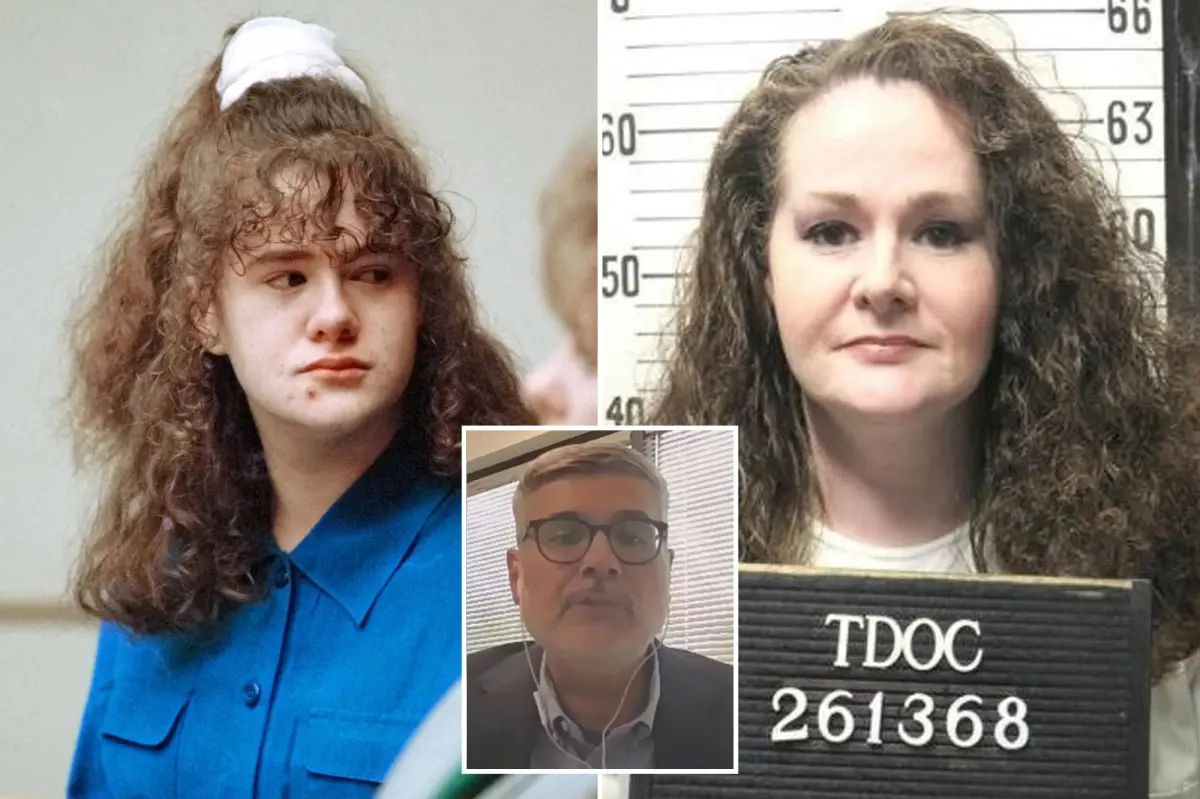
“SHE SURVIVED TWO LETHAL DOSES” — CHRISTA PIKE IS WALKING AGAIN, BUT LAWYERS FEAR LASTING BRAIN DAMAGE
After doctors feared the worst, Christa Pike has begun walking with assistance and eating again. But as her body shows signs of recovery, her legal team says serious questions remain about the possible long-term effects of Tennessee’s failed execution attempt.
Christa Pike, 50, is recovering in hospital after surviving an attempted execution by lethal injection on September 30, 2026.
The latest update brings a remarkable change in her physical condition. According to her attorneys, Pike can now walk short distances with assistance, eat a regular diet and breathe without a ventilator.
Yet her recovery remains uncertain. Her lawyers say she is experiencing problems with memory and concentration, raising concerns that the ordeal may have caused lasting cognitive damage.
:max_bytes(150000):strip_icc():focal(749x0:751x2):format(webp)/witness-catherine-sweeney-recounds-planned-execution-christa-pike-100226-8a986e7522c44757855991a586229f29.jpg) FROM CRITICAL CONDITION TO TAKING HER FIRST STEPS
FROM CRITICAL CONDITION TO TAKING HER FIRST STEPS
Pike was administered two doses of pentobarbital during Tennessee’s attempt to carry out her execution for the 1995 murder of 19-year-old Colleen Slemmer.
She remained unconscious and required breathing assistance for several days. On October 6, she regained consciousness and began speaking, surprising members of her legal team, who had feared she might not recover.
By October 8, her attorneys reported that she had begun taking a few steps around her hospital room.
But physical progress has not meant a full recovery. Her lawyers say she sometimes loses her train of thought, struggles to remember information and has difficulty concentrating.
Doctors may need months to determine whether these cognitive problems will resolve or whether any lasting damage has occurred.
:max_bytes(150000):strip_icc():focal(999x0:1001x2):format(webp)/christa-pike-092526-d0b0aac5324040a7bfd2a77432d3a8cb.jpg) SERIOUS INJURIES TO HER ARMS
SERIOUS INJURIES TO HER ARMS
Pike’s attorneys have also described significant injuries to both arms and hands following the execution attempt.
Her legal team alleges that problems with intravenous access caused the drug to enter surrounding tissue rather than being delivered correctly into her veins. They have raised concerns about the number of needle attempts and the resulting injuries.
The state’s Department of Correction has said the execution protocol was followed. The precise circumstances surrounding the medical complications remain under scrutiny.
A Tennessee judge has ordered officials to preserve evidence related to the procedure, including medical equipment, records and communications that could help establish what happened.
AN INDEPENDENT REVIEW AND UNANSWERED QUESTIONS
The failed execution has prompted renewed scrutiny of Tennessee’s lethal-injection procedures. Governor Bill Lee has paused further executions scheduled for the remainder of 2026 while an independent review takes place.
Pike’s attorneys say they are seeking answers about the procedure and the injuries she sustained. Her prognosis remains uncertain, and there has been no confirmation that she has suffered permanent brain damage.
Her case also remains deeply painful for the family of Colleen Slemmer, who was 19 when she was murdered in 1995. Slemmer’s mother, May Martinez, has continued to speak publicly about her desire for justice for her daughter.
The competing perspectives underline the emotional and legal complexity surrounding the failed execution.
A RECOVERY THAT IS FAR FROM OVER
For now, Pike’s ability to walk, eat and breathe independently marks progress after days of critical illness. But her physical recovery is only one part of the story.
Her cognitive symptoms, arm injuries and psychological distress remain serious concerns for her legal team, while the state’s review seeks to determine how the execution attempt unfolded.
What happens next will depend on her medical recovery, the findings of the independent review and future legal decisions.