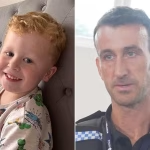
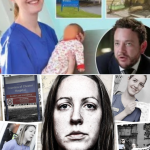
“WE WERE TOLD SHE WAS SAFE” — FATHER OF JESSICA BOLTON RAISES NEW QUESTIONS ABOUT THE LUCY LETBY CASE
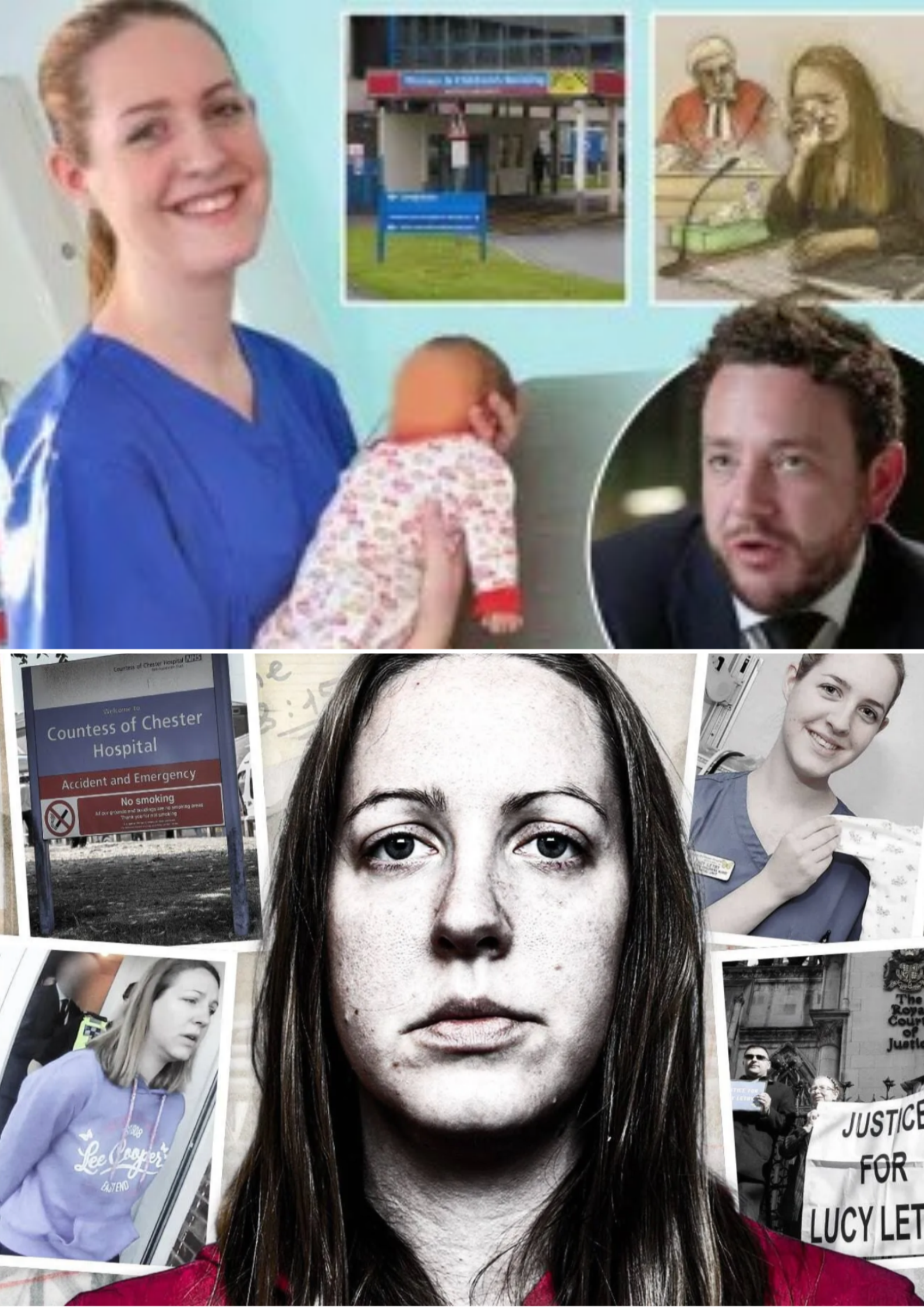
“WE WERE TOLD SHE WAS SAFE” — FATHER OF JESSICA BOLTON RAISES NEW QUESTIONS ABOUT THE LUCY LETBY CASE
Carl Bolton says his daughter survived two medical emergencies while receiving care at the Countess of Chester Hospital. Years later, what the family says they learned about her condition has fuelled fresh questions about the hospital’s failures and the evidence examined during Lucy Letby’s trials.
When Carl and Clare Bolton welcomed their daughter Jessica, they could never have imagined that her earliest days in hospital would later become part of a wider national debate.
Jessica was born by Caesarean section at 36 weeks and admitted to the neonatal unit after experiencing breathing difficulties. During her stay in May 2016, she suffered two serious medical emergencies.
According to Carl, the family later learned from hospital staff that Lucy Letby had played a significant role in escalating Jessica’s care. He said he was told that, on the second occasion, she had gone “above and beyond her call of duty”.
Jessica survived and is now a child growing up with her family.
 WHAT THE FAMILY SAYS THEY LEARNED YEARS LATER
Carl has described the neonatal unit as chaotic and under pressure. He and his wife say they did not fully understand how seriously ill Jessica had been until a meeting with senior hospital staff in 2019.
The family later contacted Cheshire Police after Letby’s arrest in 2018, seeking reassurance about whether Jessica had been involved in the investigation. They were reportedly told she was not part of the criminal case.
Carl’s experience has shaped his view of the wider case. He has questioned whether the conditions inside the neonatal unit and the hospital’s management failures received sufficient attention during Letby’s trials.
His account is a family’s recollection of events and conversations with hospital staff; it does not, by itself, establish that police or hospital officials deliberately concealed information.
 A PUBLIC INQUIRY FOUND SERIOUS INSTITUTIONAL FAILURES
The Thirlwall Inquiry, whose report was published in September 2026, examined how concerns about Letby were handled at the Countess of Chester Hospital.
The inquiry identified serious failures in hospital leadership and safeguarding, including delays in escalating concerns raised by clinicians. It also examined the impact on families who were not informed promptly about suspicions surrounding the neonatal unit.
Those findings have intensified scrutiny of the hospital’s response and the experiences of parents whose babies were treated there.
However, the inquiry’s findings about institutional failings are distinct from the question of whether evidence in an individual criminal trial was sufficient to establish guilt.
WHAT DOES JESSICA’S STORY PROVE?
Carl’s account raises difficult questions about how parents were informed, how seriously ill babies were cared for and whether the full context of the hospital’s conditions was adequately considered.
But there is an important distinction between raising questions and proving a cover-up. The available reporting does not establish that Jessica’s medical condition was deliberately suppressed, nor does it show that police falsely assured her father she had been harmed or left untouched by Letby.
Letby remains convicted of murdering seven babies and attempting to murder seven others. In January 2026, prosecutors declined to bring additional charges relating to other babies after reviewing further allegations; that decision did not overturn her existing convictions.
For the Bolton family, Jessica’s survival is central to their story. Carl’s concerns have become part of a wider discussion about hospital accountability, the treatment of parents and the way complex medical evidence is examined.
The questions deserve careful scrutiny — but the answers must come from verified records, documented findings and evidence, not claims that go beyond what has been established.