“SHE SURVIVED — BUT WILL SHE EVER BE THE SAME?” CHRISTa PIKE’S LAWYERS FEAR LASTING BRAIN DAMAGE AFTER FAILED EXECUTION
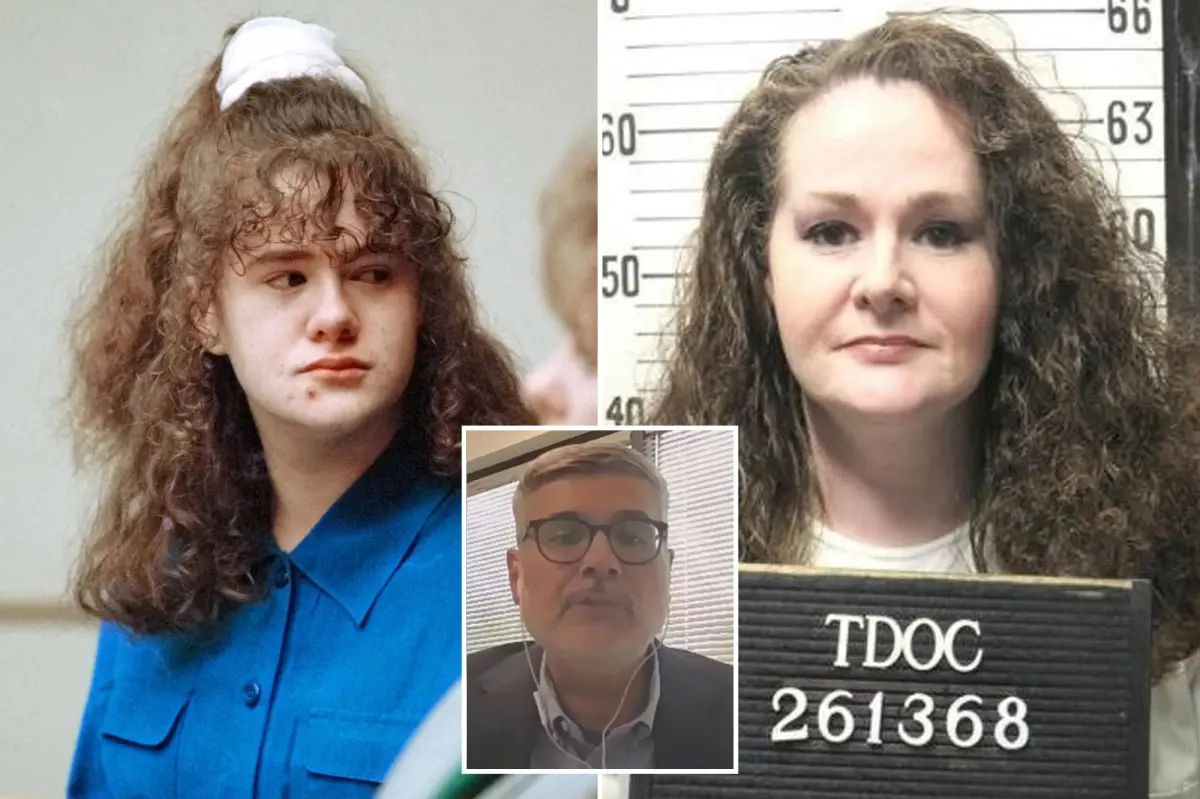
“SHE SURVIVED — BUT WILL SHE EVER BE THE SAME?” CHRISTa PIKE’S LAWYERS FEAR LASTING BRAIN DAMAGE AFTER FAILED EXECUTION
Christa Pike can now walk with assistance, eat and breathe without a ventilator. But after surviving Tennessee’s failed attempt to execute her, the 50-year-old death-row inmate is struggling with memory and concentration — and her lawyers say it could take months to understand the full extent of her injuries.
What happened inside the Tennessee execution chamber on September 30 has left serious questions about Pike’s health, the state’s execution procedures and what comes next.
Pike survived after being administered two doses of pentobarbital during an attempted lethal injection. She was taken to hospital in critical condition, remained unconscious and required a ventilator for several days.
Her attorneys later believed she might be brain-dead and that life support could be withdrawn. Then, on October 6, she unexpectedly regained consciousness and began speaking.
Her recovery has since progressed, but her legal team says the physical improvements have not resolved their concerns about possible lasting cognitive injuries.
:max_bytes(150000):strip_icc():focal(499x0:501x2):format(webp)/christa-pike-093026-dfe964cc43c2481d8d89b4eaff047c69.jpg) A REMARKABLE PHYSICAL RECOVERY — WITH SERIOUS QUESTIONS REMAINING
A REMARKABLE PHYSICAL RECOVERY — WITH SERIOUS QUESTIONS REMAINING
In an update shared on October 8, Pike’s lawyers said she was walking short distances around her hospital room with assistance, eating a regular diet and breathing without a ventilator.
However, they said she continued to experience difficulties with memory and concentration. Her attorney Stephen Ferrell explained that she sometimes began a sentence and then lost track of what she intended to say.
Doctors have reportedly warned that it could take months to determine whether she sustained permanent brain damage.
Her attorneys have described her physical progress as remarkable, while stressing that her long-term prognosis remains uncertain. <
“WHERE AM I — AND WHO ARE YOU?”
One of the most striking details to emerge came from attorney Randy Spivey, who said he believed Pike’s first words after waking were: “Where am I and who are you?”
Spivey was not in the room at the moment she regained consciousness, so the wording was his understanding of what happened rather than a direct observation.
Her lawyers have also described her as confused and angry about what she had experienced. They say the psychological impact of the failed execution is another major concern, alongside her physical injuries.
The full extent of her recovery remains unknown.
:max_bytes(150000):strip_icc():focal(999x0:1001x2):format(webp)/christa-pike-092526-d0b0aac5324040a7bfd2a77432d3a8cb.jpg) PAINFUL INJURIES TO HER ARMS
PAINFUL INJURIES TO HER ARMS
Pike’s injuries are not limited to concerns about her memory.
Her attorneys said she suffered severe burns and significant tissue damage around the injection sites on her arms. The injuries have caused pain and made everyday tasks difficult.
Ferrell told ABC News that Pike struggled to hold a pen and sign documents because of the damage to her arms.
Her lawyers have said it is not yet clear how long the injuries will take to heal or how much function she will ultimately regain. <
THE CASE THAT PUT HER ON DEATH ROW
Pike was sentenced to death for the 1995 killing of 19-year-old Colleen Slemmer, a fellow student at a job-training programme in Tennessee. Pike was convicted in the case and has remained on death row for decades.
As news of her condition spread, her attorneys said Pike had expressed concern about Slemmer’s family. However, Slemmer’s mother, May Martinez, has disputed claims that Pike has shown remorse, saying Pike has never apologised to her for her daughter’s death.
The family’s grief and Pike’s medical crisis now exist side by side in a case that has drawn renewed attention to capital punishment in the United States.
TENNESSEE ORDERS A REVIEW
Following the failed execution, Tennessee Governor Bill Lee paused scheduled executions and ordered an independent review of the procedure.
The state’s corrections commissioner, Frank Strada, announced his resignation, while a judge ordered officials to preserve evidence connected to the attempt. That evidence includes relevant records and materials that may help investigators establish what went wrong.
Pike’s attorneys have also asked the governor to commute her sentence to life imprisonment without the possibility of parole.
Whether the state could legally attempt another execution remains an unresolved question that may require extensive court proceedings.
A LONG ROAD AHEAD
For now, Pike remains in hospital as doctors monitor her recovery. Walking, eating and breathing independently are significant steps, but they do not answer the most difficult question facing her legal team: whether the effects of the failed execution will remain with her for the rest of her life.
Her lawyers say it may take months before doctors can provide a clearer picture of the long-term consequences.
The case has also left Tennessee facing questions about its execution procedures, the preservation of evidence and the legal implications of a failed attempt.
Christa Pike survived the September 30 procedure. But with cognitive difficulties, painful injuries and an uncertain prognosis, her recovery is far from over — and the questions surrounding the failed execution are only beginning.